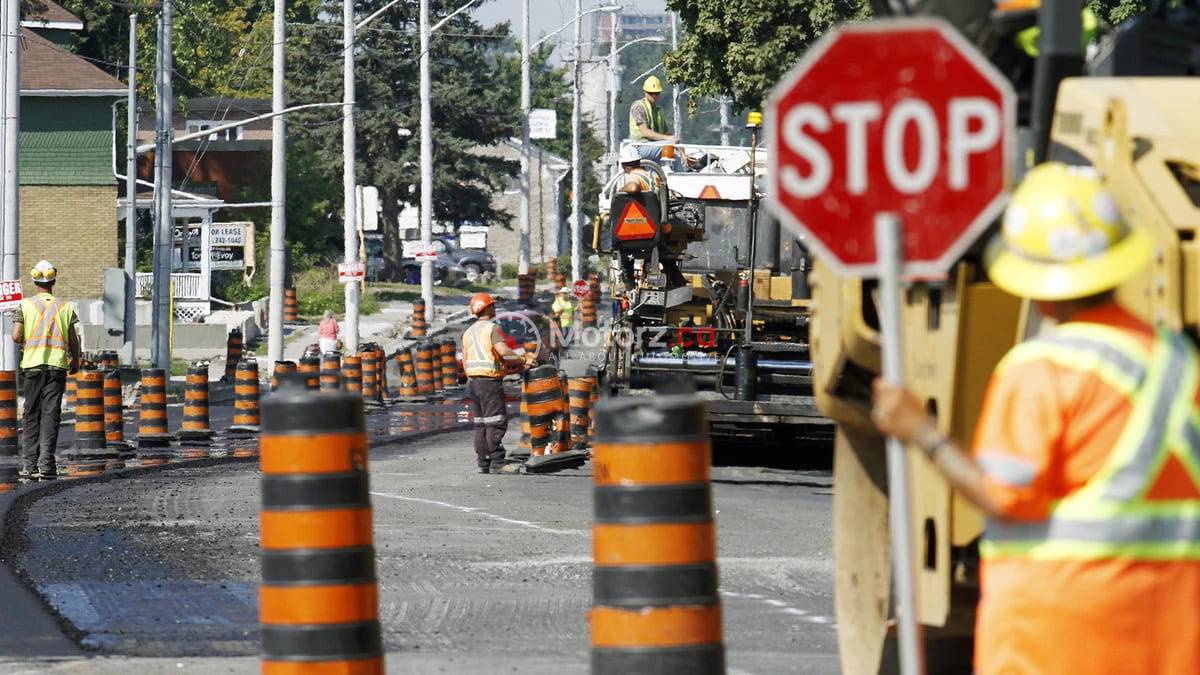
The Drive to Survive are out, the flashing lights are visible from a kilometer away, and the “Construction Ahead” signs are posted. For many drivers, these are simply signs of a frustrating delay in their commute. But for the thousands of men and women working just inches away from moving traffic, those signs represent a high-stakes environment where a single driver’s mistake can be fatal.
In the world of “The Corner Wrench,” we talk a lot about protecting your vehicle, but today we are talking about protecting people. Road construction is one of the most dangerous professions in North America. Every year, hundreds of roadside workers are injured or killed because of distracted, speeding, or aggressive drivers. As we navigate the busy infrastructure season of 2026, it is time to shift our focus from the clock to the cones.
At Motorz, we believe that a great driver isn’t just someone who can handle a car, but someone who respects the road and everyone on it. In this edition of “Lorraine Explains,” we are sharing five essential driving tips that do more than just avoid a ticket—they ensure that every road worker makes it home to their family tonight.
Respect the Drive to Survive Law and Create a Safety Buffer
Most jurisdictions have strict Drive to Survive laws, but many drivers still don’t understand the physical reality of a work zone. When you see flashing lights—whether they are amber, blue, or red—your first instinct should be to create space.
Why Space Matters
Road workers often have to step back or move equipment unexpectedly. If you are hugging the line of the closed lane, you leave zero room for error. By moving over to the far side of your lane or changing lanes entirely (if safe to do so), you provide a vital “buffer zone.”
The Vacuum Effect
Large vehicles, like SUVs and semi-trucks, create a “slipstream” or vacuum as they pass at high speeds. This air pressure can actually pull a standing worker toward your vehicle or knock them off balance. Moving over reduces this aerodynamic pull and keeps workers steady on their feet.
Speed Limits: Obey the “When Workers are Present” Rule
It is a common sight: a work zone with a reduced speed limit, but no visible workers. It is tempting to maintain your highway speed, but this is a dangerous gamble for several reasons.
The Physics of Stopping Distance
Speed limits in construction zones aren’t arbitrary. They are calculated based on narrowed lanes, uneven pavement, and the proximity of workers. If a flagger steps out or a truck pulls onto the road, a car traveling at 100 km/h requires significantly more distance to stop than one traveling at 60 km/h.
Pro Tip: Remember that in most provinces and states, fines for speeding are doubled in work zones. A few saved seconds could cost you a month’s salary or your license.
Hidden Hazards
Construction zones are constantly changing. A patch of road that was flat yesterday might have a 4-inch “lip” or loose gravel today. Driving at the posted reduced speed protects your tires and suspension from damage while giving you time to react to these “Corner Wrench” hazards.
The “Hands-Off” Policy: Eliminating Work Zone Distractions
Distracted driving is the leading cause of work zone accidents in 2026. While “hands-free” technology has helped, any mental distraction can be deadly when navigating the complex environment of a construction site.
More Than Just a Phone
In a work zone, you aren’t just watching the car in front of you. You are watching for flaggers, moving heavy machinery, shifting lane tapers, and pedestrians. If you are glancing at your GPS, adjusting the radio, or reaching for a coffee, you might miss the subtle hand signal of a worker telling you to stop.
The Five-Second Rule
At highway speeds, looking at a phone for five seconds is equivalent to driving the length of a football field blindfolded. In a work zone, that distance could take you through a line of cones and directly into a work crew. When you see orange, put the phone in the center console and keep your eyes on the road.
Master the “Zipper Merge” for Smoother Traffic Flow
Traffic congestion in work zones often leads to aggressive driving and “road rage,” which endangers workers. The most efficient way to handle a lane closure is the Zipper Merge, yet it remains one of the most misunderstood maneuvers.
How to Zipper Properly
Instead of merging early and creating a long, single-file line of stopped cars, drivers should use both lanes fully until they reach the merge point. At that point, vehicles should take turns—one from the left, then one from the right—just like the teeth of a zipper.
Reducing Aggression
When everyone uses the Zipper Merge, the flow of traffic is more predictable and the speed is more consistent. This reduces the “stop-and-go” frustration that leads drivers to make erratic, high-speed lane changes that can surprise road workers.
Pay Attention to the Flagger: They Are the Boss of the Road
The person holding the “Stop/Slow” paddle is the most vulnerable person in the work zone. They are standing directly in the path of traffic to coordinate the safe movement of vehicles and machinery.
Eye Contact and Confirmation
When you approach a flagger, try to make eye contact. This ensures that you have seen them and they have seen you. If they give you a signal, acknowledge it with a small wave or a nod. This simple human connection reminds both of you that safety is a shared responsibility.
Don’t Be a “Squeezer”
We have all seen it: the driver who tries to squeeze past the flagger just as they are turning the sign to “Stop.” This “one last car” mentality often leads to head-on collisions with construction vehicles or workers who thought the road was clear. When the sign says stop, stop immediately.
Every Second Counts, But Every Life Matters
Road workers are out there in the heat, rain, and cold to improve the infrastructure we all rely on. The next time you find yourself delayed by a construction project, remember these five tips:
Move Over: Give workers the space they need to breathe.
Slow Down: Obey the signs, even if you don’t see workers immediately.
Focus: Eliminate all distractions until you are clear of the zone.
Merge Fairly: Use the Zipper Merge to keep traffic moving predictably.
Listen to Flaggers: Respect their authority and follow their signals.
At Motorz, we know that the road belongs to everyone. By following these “Corner Wrench” safety principles, you are doing more than just avoiding a fine—you are protecting the people who build our world. Drive safe, stay patient, and let’s make 2026 the safest year on record for road crews.