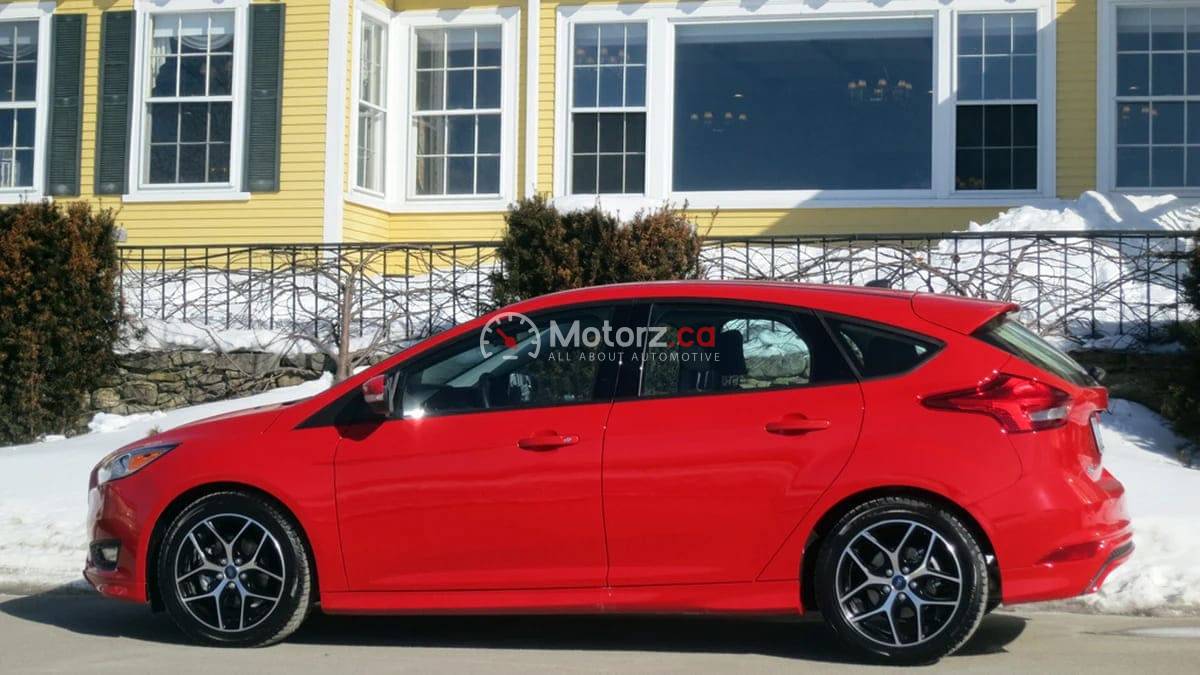
Imagine Ford Focus Recall Alert, your favorite playlist is on the radio, and suddenly you hear the chime of a door-ajar warning. Or worse, you hit a small bump and realize the rear hatch of your vehicle has physically unlatched. For many Ford Focus owners, this isn’t just a stressful “what if” scenario—it is a reality that has led to a significant safety recall.
In the world of “The Corner Wrench,” we see plenty of mechanical wear and tear, but when a manufacturer issues a formal recall, it is time to stop what you are doing and pay attention. In 2026, vehicle safety standards are stricter than ever, and a door or hatch that fails to stay closed is a critical safety violation that can lead to cargo falling onto the road or, in extreme cases, compromised passenger safety.
At Motorz, we track every major automotive safety alert to keep you and your family safe. Today, Lorraine Explains the details of the Ford Focus hatchback latch release recall, which models are affected, and the simple steps you need to take to get your car fixed for free.
The Core Issue: Why Is Ford Recalling the Ford Focus Recall Alert?
The recall centers around a mechanical and software-related failure in the rear hatchback latch assembly. Unlike traditional doors that use a purely mechanical handle, the Focus hatchback uses an electronic release system that can be triggered by the key fob, a dashboard button, or a button on the hatch itself.
What is Going Wrong?
Federal safety standards require that a vehicle’s hatch or door cannot be unlatched while the car is in motion at certain speeds. However, investigators found that in specific Ford Focus models, the latch can be released with a single press of the interior release button while the vehicle is moving at speeds under 7 kilometers per hour.
The Hidden Danger
The real danger occurs if a driver or passenger accidentally bumps the release button while the car is crawling in traffic or slow-moving school zones. If the hatch pops open, it can block the driver’s rear view or allow unsecured cargo to spill out into the street, creating a hazard for other motorists and pedestrians.
Affected Models: Is Your Vehicle on the List?
Not every Ford Focus is involved in this specific latch recall. The issue is primarily concentrated on hatchback models produced during specific manufacturing windows.
Model Years and Body Styles
The recall specifically targets the Ford Focus Hatchback (including the ST and RS performance variants) from the 2013 to 2018 model years. Since Ford discontinued the Focus in North America after 2018, these represent the final generations of the vehicle sold in the Canadian and US markets.
How to Check Your VIN
The only way to be 100 percent sure if your specific car is included is to check your Vehicle Identification Number (VIN). You can find this 17-character code on a small metal plate on the driver’s side dashboard (visible through the windshield) or on your insurance and registration documents.
The Ford Recall Tool: Visit the official Ford owner website and enter your VIN.
NHTSA/Transport Canada: You can also use government safety databases to check for any outstanding recalls on your vehicle.
The Fix: What Owners Need to Do Next
The good news is that safety recalls are always performed at no cost to the owner. You do not have to pay for parts or labor for a recall-related repair.
The Software Update
In most cases, the fix for this latch issue is a software recalibration. Ford technicians will update the Body Control Module (BCM) software. This update ensures that the hatch release button is disabled once the car is taken out of “Park” or reaches a very low speed threshold. It may also require a “double-press” logic to prevent accidental activation.
Physical Latch Inspection
In some instances, if the latch has already shown signs of mechanical strain due to the release issue, the dealership may replace the entire latch assembly with a reinforced version.
How Long Does it Take?
A software update typically takes less than an hour, but because dealerships are often busy with multiple recalls, you should plan to leave your car for half a day. We recommend calling your local Ford service center ahead of time to ensure they have the necessary diagnostic tools and parts ready for your appointment.
Why You Shouldn’t Ignore This Recall
When life gets busy, it is tempting to put off a trip to the dealership, especially if your hatch hasn’t given you any trouble yet. However, ignoring a safety recall is a risk that isn’t worth taking.
Liability and Insurance: If a hatch opens and causes an accident or property damage, and there is an open recall on your vehicle for that exact issue, you could face complications with your insurance claim.
Resale Value: When you go to sell your Focus or trade it in, a “clean” history with no open recalls is essential. Potential buyers and dealerships will check the VIN, and an unresolved safety issue will significantly lower the value.
Cargo Safety: For those who use their Focus for groceries, sports gear, or pet transport, the peace of mind knowing the hatch is locked tight is priceless.
Stay Safe and Stay Informed
At Motorz, we believe that a well-informed driver is a safe driver. The Ford Focus is a popular, nimble car, but like any machine, it occasionally needs a factory correction to stay at peak safety levels.
Verify your VIN: Don’t guess—check the official databases today.
Contact your dealer: Schedule the free repair at your earliest convenience.
Be proactive: Even if your hatch feels fine, the software logic error is a hidden risk.
Keep your records: Save the paperwork from the dealership proving the recall has been completed.
The “Corner Wrench” philosophy is all about preventative care. By taking care of this recall now, you are ensuring that your Focus remains a reliable part of your daily life for years to come. Don’t let a small button cause a big problem—get your latch checked!