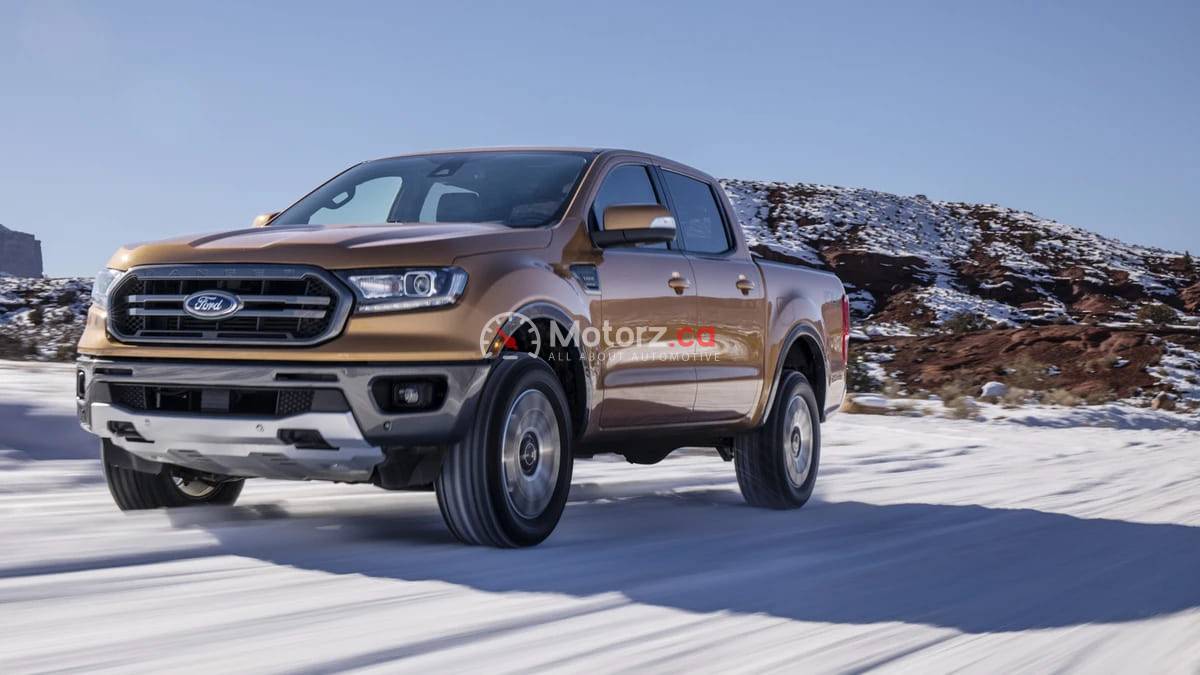
For Canadian truck owners, the Fire Risk Warning has long been a symbol of mid-sized capability and rugged reliability. Whether you are navigating the slushy streets of Toronto or hauling gear through the Rockies, you expect your vehicle to handle the elements without complaint. However, a new safety alert has put a spotlight on a potentially dangerous defect: a fire risk involving approximately 1,500 Ford Ranger pickups across the country.
In this “Corner Wrench” special report, we are diving deep into the details of the Ford Ranger fire recall. From the specific mechanical cause to the immediate steps you need to take to protect your vehicle and your property, we have gathered everything you need to know. In 2026, vehicle safety is more integrated than ever, and a small oversight in the engine bay can lead to a significant hazard.
The Core Issue: What is Causing the Fire Risk Warning?
The current recall centers around a component that many Canadians consider a winter essential: the engine block heater.
The Block Heater Leak
In a specific batch of Ford Rangers, the engine block heater—designed to keep your oil and coolant warm for easier starts in sub-zero temperatures—was found to have a sealing issue. Over time, or due to extreme temperature fluctuations, the block heater can leak coolant directly onto the electrical connections.
Short Circuits and Ignition
Coolant is a conductive fluid. When it enters the electrical pins of the block heater while the vehicle is plugged into an outlet, it can cause a short circuit. This electrical surge generates intense heat, which can melt plastic housings and ignite nearby engine components. Because this happens while the vehicle is parked and often unattended (overnight), the risk of a garage or house fire is significantly increased.
Affected Vehicles: Are You on the List?
While Ford has issued several large-scale recalls recently—including software updates for over 600,000 trucks—the fire risk recall is a highly targeted campaign.
Model: Ford Ranger
Market: Canada (specifically cold-weather regions where block heaters are standard equipment)
Total Units: Approximately 1,500 vehicles
Production Window: Late 2023 through 2025 models
If you own a newer Ranger equipped with a factory-installed block heater, you are likely part of this suspect group. Ford is cross-referencing VINs to identify which trucks received the specific batch of faulty heaters during assembly.
Warning Signs and Immediate Safety Precautions
One of the most dangerous aspects of an electrical fire risk is that it often leaves no “mechanical” warning signs like a check engine light or a noise. However, there are a few things to watch for:
Lingering Coolant Smell: If you smell something sweet (like maple syrup) near the front of your truck after it has been plugged in, it could be leaking coolant vaporizing on the heater element.
Tripped Breakers: If your garage or outdoor outlet keeps tripping its circuit breaker when you plug in your truck, do not reset it. This is a sign of an active short circuit.
Discolored Plugs: Inspect the end of your block heater cord. If the prongs look charred or the plastic looks melted, the internal short has already begun.
The “Do Not Plug In” Order
Until your vehicle is inspected and repaired by a certified Ford technician, the official advice is simple: Do not use your engine block heater. Your Ranger will still start in the cold without it, though it may take a moment longer to reach operating temperature. The risk of an unattended fire far outweighs the benefit of a warm engine block.
The “Corner Wrench” Remedy: How Ford is Fixing the Problem
Ford has authorized its Canadian dealer network to handle this recall as a high priority. Like all safety recalls, the fix is completely free of charge to the owner.
The Replacement Process
Inspection: Technicians will first check for signs of coolant leakage around the heater mounting point.
Part Replacement: If a leak is found or if the heater belongs to the faulty batch, the dealer will replace the entire block heater assembly with a redesigned unit featuring improved seals.
Cord Inspection: The electrical cord will also be inspected for heat damage and replaced if necessary.
Coolant Top-Off: Because the heater is submerged in the engine’s coolant jacket, the system will be bled and refilled with fresh motorcraft coolant.
Next Steps for Ranger Owners
If you suspect your truck is part of the 1,500-unit recall, don’t wait for a letter to arrive in your mailbox.
VIN Check: Head to the and enter your 17-digit VIN.
Transport Canada Database: You can also search the using your year and model.
Schedule Service: If your VIN is flagged, call your local dealer immediately. Mention the block heater fire risk recall to ensure they have the necessary parts in stock before you arrive.
Proactive Safety in the Great North
Recalls are a part of modern automotive life, but fire risks require immediate attention. If you are one of the 1,500 Ford Ranger owners in Canada affected by this issue, the best thing you can do is leave that block heater cord unplugged until a professional can give it the “all clear.”
Trucks are built to be tough, but even the strongest Ranger is vulnerable to an electrical short. Stay safe, stay warm, and keep your “Corner Wrench” ready for the next update.