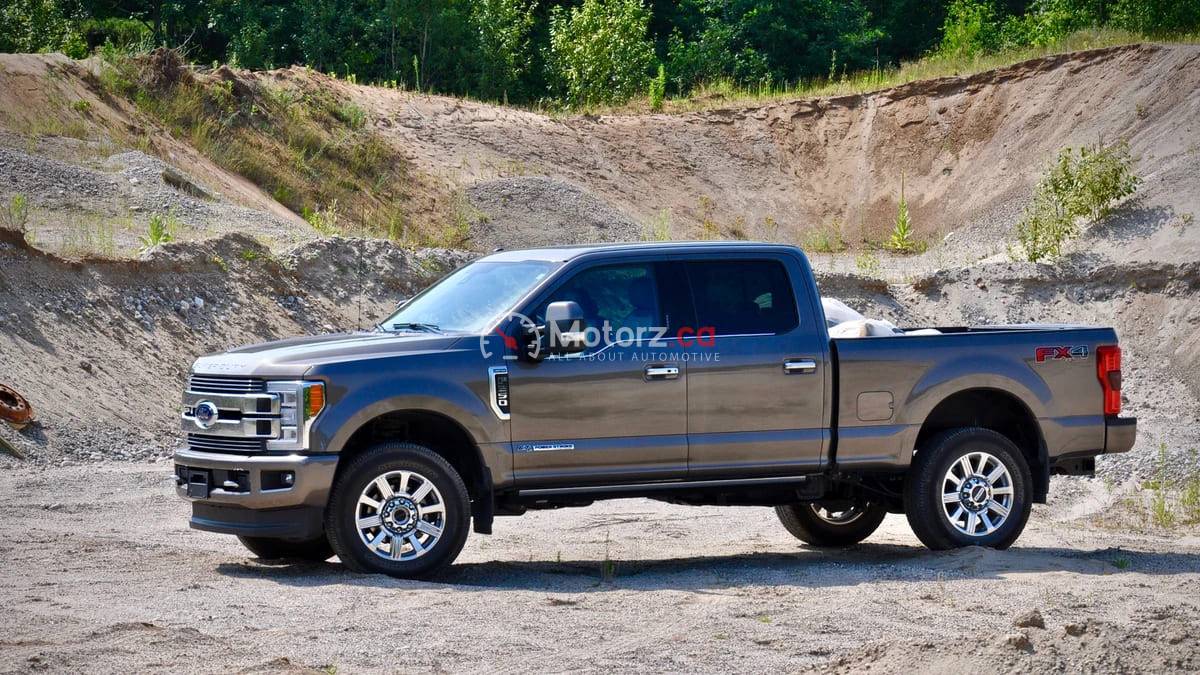
For truck owners in Trucks in Canada, the legendary Ford F-Series is more than just a vehicle; it is a tool for work, a family hauler, and a companion through some of the harshest driving conditions on the planet. However, a major safety development has put over 56,000 Ford trucks under the microscope. Ford has issued a significant recall across Canada due to a specific component failure that significantly increases the risk of an under-hood fire.
As we navigate the automotive landscape of 2026, where vehicle complexity is at an all-time high, safety recalls are becoming more targeted. This latest alert involves a critical failure in the engine block heater system, a component that millions of Canadians rely on to keep their engines viable during our brutal sub-zero winters.
In this comprehensive “Corner Wrench” update, we break down which models are affected, why the block heater is the culprit, and the immediate steps you need to take to protect your vehicle and your property.
The Trucks in Canada: Why Your Block Heater is a Fire Hazard
The primary concern cited by Transport Canada and Ford involves the engine block heater cable. In many affected trucks, the connector for the block heater is susceptible to moisture and road salt intrusion.
The Short Circuit Cycle
In Canada, we don’t just deal with cold; we deal with slush and brine. Over time, road salt can work its way into the electrical connector of the block heater. This causes corrosion, which creates electrical resistance. When you plug your truck in on a cold February night, that resistance generates intense heat, which can lead to a short circuit and, ultimately, a fire that starts while the vehicle is parked and unattended.
Recalls Replacing Recalls
This 2026 update is particularly important because it actually replaces and expands upon previous safety campaigns. If you had your block heater “fixed” in 2024 or 2025, you might still be at risk. Ford’s engineers have determined that previous repair methods—which often involved just grease or a simple inspection—were insufficient to handle the long-term corrosion found in Canadian environments.
Is Your Truck Affected? The 56,000-Unit Breakdown
The recall primarily targets Ford’s heavy hitters. If you own one of the following models, you need to verify your VIN immediately.
The Ford
The bulk of the recall affects the 14th-generation F-150. These trucks, equipped with various engine configurations, utilize a specific block heater cable design that has proven vulnerable to the elements.
The Super Duty Series
For those using their trucks for heavy towing and commercial work, the Super Duty line is also included. Because these trucks often spend more time on salted industrial roads, the risk of connector corrosion is statistically higher.
The Ford Maverick and Expedition
While the F-Series makes up the majority of the 56,000 units, certain Maverick compact trucks and Expedition SUVs equipped with factory-installed block heaters are also being flagged. If your vehicle was built at the Dearborn or Kansas City assembly plants between specific 2021 and 2024 dates, you are likely on the list.
The “Corner Wrench” Safety Protocol: Do Not Plug In
Until your vehicle has been inspected and repaired by a certified Ford technician, the safest course of action is simple: Do not use your engine block heater.
Safe Cold Starts
Fortunately, modern synthetic oils—like the 0W-20 or 5W-30 weights found in Ford’s EcoBoost and Coyote engines—are designed to flow even in extreme cold. While a block heater makes the first few minutes of driving more comfortable and reduces engine wear, your truck will start without it. It is much better to have a slightly noisy cold start than to risk a fire in your garage or driveway.
Parking Precautions
If you have already experienced symptoms like a “burnt plastic” smell when plugging in your truck, or if you notice scorch marks near the heater plug (usually located in the front bumper or grille area), do not park the vehicle inside a garage or near flammable structures until the cable has been disconnected or repaired.
The Fix: What the Dealership Will Do
Ford is rolling out a permanent solution that involves more than just a “wait and see” approach.
Cable Replacement and Rerouting
The 2026 remedy involves replacing the entire block heater cable with a new, updated design that features a weather-sealed connector. In some models, technicians will also reroute the cable to a location that is less prone to “salt spray” from the road, ensuring that moisture cannot pool inside the electrical terminals.
Inspection of the Heater Element
In addition to the cable, dealers will inspect the actual heating element threaded into the engine block. If the short circuit has caused damage to the element itself, Ford will replace the entire assembly at no cost to the owner.
How to Check Your Recall Status in 2026
With over 56,000 trucks affected in Canada alone, Ford is notifying owners in waves. However, you don’t have to wait for a letter in the mail.
VIN Verification: Locating your 17-digit Vehicle Identification Number (VIN) on your dashboard or door jamb is the first step.
Transport Canada Database: Visit the Transport Canada Motor Vehicle Safety Recalls Database and enter your VIN.
Ford Canada Portal: You can also check the “Support” section of the Ford.ca website.
Over-the-Air (OTA) Alerts: For 2021 and newer trucks with SYNC 4, Ford may send a recall notification directly to your truck’s infotainment screen or the FordPass app.
Proactive Maintenance is Key
A fire risk recall is a serious matter, but it is one that can be managed with a bit of vigilance. By identifying your truck’s status and avoiding the use of the block heater until the free repair is completed, you protect the significant investment you’ve made in your vehicle.
The Canadian winter is tough on vehicles, and sometimes the very tools we use to combat the cold can become a liability. Stay safe, keep your truck unplugged for now, and get to your local Ford dealer as soon as parts are available.