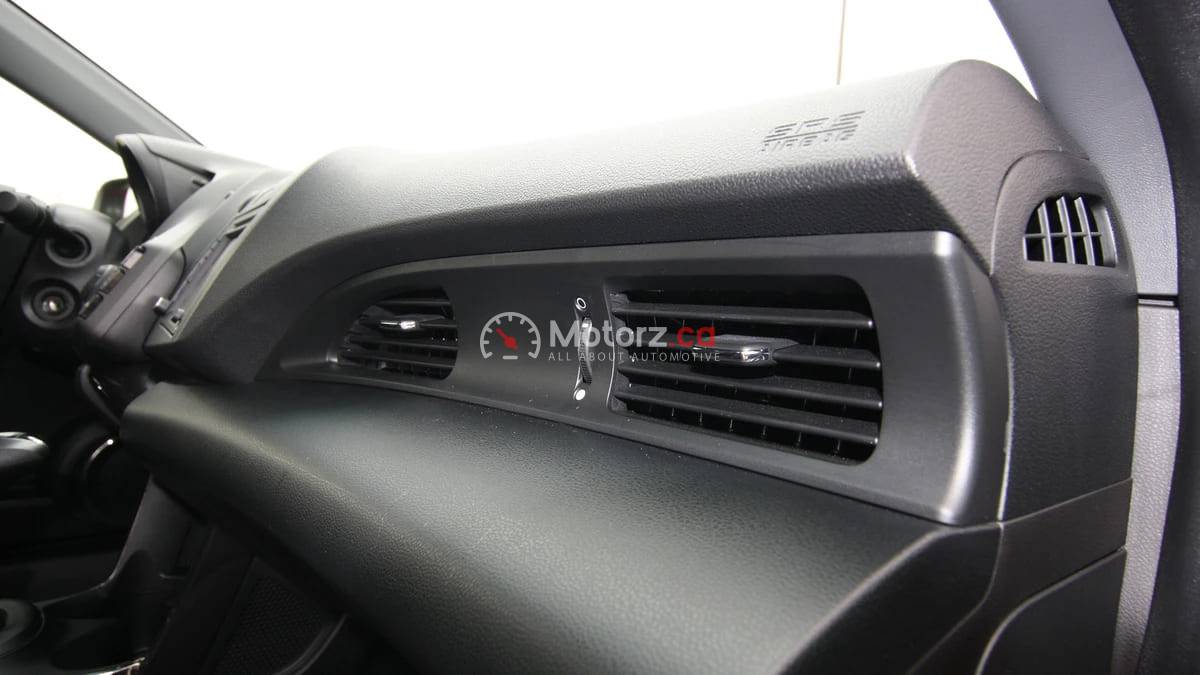
We have all HVAC Maintenance. It is a humid July afternoon or a biting January morning, and you reach for that climate control dial. You expect a blast of refreshing Arctic air or a wave of cozy warmth to envelop you. But instead, you get a weak breeze that smells faintly of old gym socks, or worse, a strange whistling sound that seems to be coming from deep inside the dashboard.
In the world of “The Corner Wrench,” we spend a lot of time talking about engines, tires, and brakes. However, there is one system that arguably has the biggest impact on your daily driving comfort and health, yet it is almost entirely ignored until it fails: the Automotive HVAC (Heating, Ventilation, and Air Conditioning) system.
As we move through 2026, car cabins are becoming more airtight and specialized, especially in the era of ultra-quiet Electric Vehicles (EVs). This means that the quality of the air you breathe and the efficiency of the “forgotten” components in your dashboard are more important than ever. In this comprehensive guide, we are looking behind the vents to explore the hidden side of your car’s climate control and how a little proactive maintenance can save you from a major repair bill.
The Invisible Filter: Why Your HVAC Maintenance Is a Health Priority
If you asked a driver twenty years ago about a HVAC Maintenance they might have looked at you like you were speaking a foreign language. Today, they are standard, yet they remain the most neglected service item in the automotive world.
What It Does
Unlike the engine air filter, which protects your car, the Cabin Air Filter protects you. It is designed to trap dust, pollen, mold spores, and road debris before they enter the vents. Over time, this filter becomes a graveyard for organic matter. In damp climates, that trapped debris can grow mold, which is exactly where that “musty” smell comes from when you turn on the AC.
The Impact on Your HVAC Blower Motor
A clogged filter doesn’t just affect your lungs; it chokes your HVAC system. When the filter is packed with dirt, the blower motor has to work twice as hard to push air through. This leads to premature motor failure and can even blow the resistor that controls your fan speeds.
Corner Wrench Tip: In 2026, many high-end vehicles use HEPA-grade filters. These are fantastic for allergies but clog faster than standard paper filters. Check yours every 20,000 kilometers, especially if you live in a dusty area or a city with high construction activity.
The Evaporator Core: The Dark, Damp Secret
While the condenser sits out front by the radiator, the Evaporator Core is hidden deep inside your dashboard. It is the component responsible for actually cooling the air and removing humidity.
The Science of Condensation
As the evaporator gets cold, moisture from the air condenses on its metal fins—just like a cold soda can on a summer day. Normally, this water drips into a tray and exits the car through a drain tube. This is why you see a puddle of water under your car after parking on a hot day.
The “Musty Smell” Fix
If that drain tube gets blocked by road grime or spider webs, the water stays trapped in the evaporator housing. This creates a stagnant pool where bacteria and fungus thrive.
The Solution: If you notice a damp smell, ask your technician to check the “HVAC drain line.” You can also prevent this by turning off your AC but keeping the fan running for the last two minutes of your drive. This helps dry out the evaporator core before you park the car.
Blend Doors and Actuators: The “Clicking” Mystery
Have you ever heard a strange, rhythmic clicking or tapping sound behind your dashboard that lasts for thirty seconds after you start the car? That is the sound of a “forgotten” mechanical failure.
The Gatekeepers of Temperature
Modern HVAC systems use small plastic flaps called Blend Doors to direct air. One door controls the temperature (mixing hot and cold air), while others control the “mode” (defrost, floor, or face). These doors are moved by small electric motors called Actuators.
Why They Break
Actuators use tiny plastic gears. Over years of use, a single tooth on a gear can snap. The motor then tries to turn, skips on the broken tooth, and creates that clicking sound.
The Peril of Delay: If a blend door fails in the “Hot” position during a heatwave, or the “Defrost” position during a blizzard, your car becomes undriveable. Replacing these often requires removing the entire dashboard, so addressing a “clicking” sound early can sometimes allow for a simpler, less invasive repair.
Refrigerant and Lubrication: The Lifeblood of the System
Most drivers believe that AC refrigerant (commonly known as Freon, though we use R1234yf in most 2026 models) is a “consumable” like gas. It is not. The AC system is a sealed loop.
Slow Leaks and Seals
If your AC isn’t as cold as it used to be, you have a leak. Modern refrigerants are very thin and can seep through rubber O-rings that have dried out.
The Lubrication Factor: The refrigerant carries a specialized oil that lubricates the AC compressor. If the refrigerant level gets too low, the oil stops circulating, and the compressor—the most expensive part of the system—will eventually seize.
The Annual “Vibe Check”
Even in the winter, you should run your AC for at least ten minutes once a month. This keeps the seals lubricated and prevents them from drying out and cracking, ensuring your system is ready to go the moment spring arrives.
Modern Challenges: HVAC in the Electric Vehicle Era
For EV owners, the HVAC system is even more critical because it is tied directly to your driving range.
The Heat Pump Revolution
Many 2026 EVs use a Heat Pump instead of a traditional resistive heater. These are incredibly efficient but are much more complex. They move heat from the outside air (even in winter) into the cabin.
The Maintenance Shift: EV HVAC systems often have their own dedicated cooling loops to keep the battery at the right temperature. Neglecting this “hidden” side of the HVAC can actually lead to reduced battery life and slower charging speeds.
A Proactive Approach to Cabin Comfort
Your car’s HVAC system is a masterpiece of engineering designed to keep you safe, alert, and comfortable. By simply replacing your cabin filter, keeping your drain lines clear, and listening for the early warning signs of actuator failure, you can avoid the “forgotten” side of maintenance that leads to four-figure repair bills.