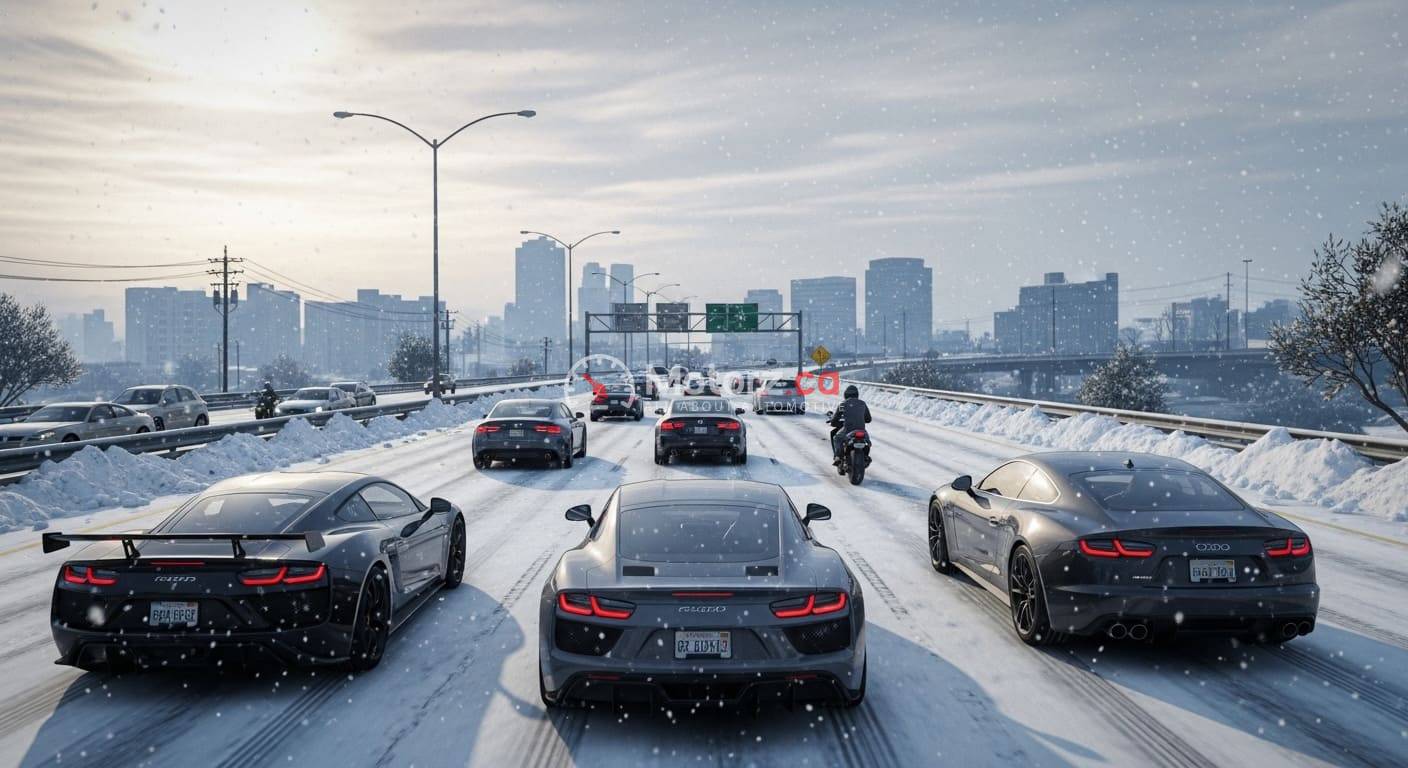
The sky over the GTA Driving turns a bruised, metallic gray, and the temperature plummet is so sharp you can feel it in your teeth. This is Code Blue weather—a reality for Ontario drivers where extreme cold, flash freezes, and “whiteout” squalls transform the 401, the QEW, and the DVP into ice-rink obstacle courses.
But as any seasoned commuter knows, the weather isn’t the primary danger. The real threat is the person behind the wheel of a three-ton SUV who thinks their all-wheel-drive system makes them immune to the laws of physics. In the world of “The Corner Wrench,” we’ve seen the mechanical aftermath of these ego-driven decisions. As we navigate the 2026 winter season, the consensus among frustrated, responsible drivers is reaching a breaking point: We don’t just need better snow plows; we need an enforced culture shift in how the GTA drives when the Code Blue alerts hit.
It is time to stop treating extreme winter driving as an individual “skill test” and start treating it as a collective responsibility. From mandatory winter equipment to the crackdown on “black ice bravado,” here is why a culture shift is the only way to keep the GTA moving safely.
The Code Blue Crisis: Why Traditional Winter GTA Driving
A Code Blue isn’t just a heavy snowfall. It is a specific meteorological event where temperatures drop so low that traditional road salt loses its effectiveness. When we hit minus 18 or lower, that slush on the road freezes into a “glass” surface that no amount of grit can easily penetrate.
The Myth of AWD Superiority
One of the biggest hurdles to a safe driving culture is the “SUV Fallacy.” Many drivers believe that All-Wheel Drive (AWD) helps them stop or turn on ice. It doesn’t. AWD only helps you get moving. In a Code Blue scenario, an AWD vehicle with all-season tires is just a heavier sled.
The Culture Shift: We must move away from marketing vehicles as “conquerors” of the elements and start educating drivers on the limitations of their tech.
The “Black Ice” Bravado
In the GTA, there is a toxic culture of competitive commuting. Drivers feel pressured to maintain 100 km/h even when visibility is near zero. This bravado leads to multi-vehicle pileups that shut down arterial highways for hours. Enforcing a culture shift means making “slow and steady” the social norm, not the exception.
Mandatory Winter Equipment: Beyond the “Blue Flake”
If you live in Quebec, winter tires are a legal requirement. In Ontario, they remain a suggestion. This creates a dangerous disparity on GTA roads where one car has 2026-spec winter rubber and the car behind it is sliding on “hockey puck” all-seasons.
The Case for Mandatory Winter Tires
Winter tires are engineered to stay soft in extreme cold. When the temperature drops below 7 Celsius, all-season rubber hardens, losing its ability to grip the pavement.
The Cost of Inaction: A culture shift requires a policy shift. By making winter tires mandatory in the GTA during the Code Blue months (December through March), we would see an immediate reduction in the “minor” fender benders that paralyze traffic.
Proper Lighting and Visibility
We have all seen the “ghost cars”—vehicles driving through a blizzard with only their daytime running lights on, meaning their tail lights are dark. A shift in driving culture must include the habit of manually turning on full lighting systems the moment the sun fades or the snow starts.
Enforced Patience: The Role of Law Enforcement and Tech
We cannot rely on goodwill alone. A culture shift in a city as busy as Toronto requires enforcement.
Variable Speed Limits
In 2026, the technology exists to implement dynamic, enforceable speed limits on major highways. During a Code Blue event, the speed limit on the 407 or the QEW should automatically drop to 60 or 70 km/h, with heavy fines for those who refuse to slow down. This isn’t about “revenue collection”; it is about preventing the kinetic energy of a high-speed collision on ice.
Crackdown on “Snow-Capped” Cars
Driving with a foot of snow on your roof isn’t just lazy; it’s a hazard. When that snow blows off, it creates an instant “whiteout” for the driver behind you. An enforced culture shift would involve ticketing drivers who fail to clear their vehicles, ensuring that “clearing the roof” is seen as a basic requirement of being a licensed operator.
The Human Factor: Redefining the “Expert Driver”
In the GTA, many people think an “expert” driver is someone who can weave through traffic at high speeds. In a Code Blue world, an expert driver is the one who knows when to stay home.
The Power of the Remote Workday
A major part of the culture shift happens in the office, not on the road. Employers must recognize that forcing staff to commute during a Code Blue weather alert is a liability. By normalizing “Weather Days” for non-essential workers, we clear the roads for emergency services and those who truly have no choice but to be out.
Space is Safety
The “two-second rule” for following distance should become the “ten-second rule” on ice. A culture shift means that if you leave a large gap in front of you, the person in the next lane shouldn’t see it as an invitation to cut you off. We need to respect the “safety bubble” required for heavy vehicles to stop in extreme cold.
A Collective Vision for Ontario Roads
The GTA is one of the most economically vital regions in North America, but our winter driving habits are stuck in the past. We can no longer afford the “every man for himself” mentality that leads to gridlock and tragedy every time the temperature drops.
An enforced culture shift—led by better legislation, smarter tech, and a fundamental change in driver attitude—is the only way to thrive in a Code Blue environment. Let’s make 2026 the year we stop fighting the winter and start respecting it.