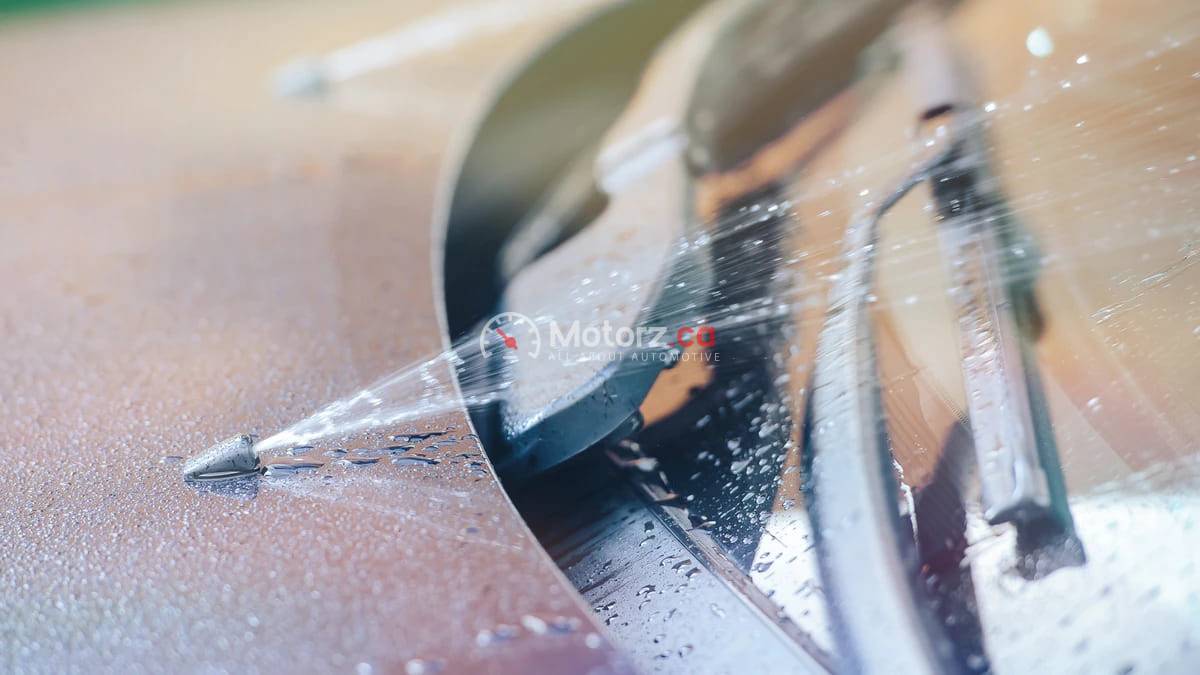
It is the classic Winter Driving. You are driving down a slushy highway, a semi-truck passes you, and suddenly your windshield is coated in a thick, gray layer of road salt and grime. You instinctively pull the wiper stalk, expecting a refreshing blast of blue fluid, but instead, you get nothing but the dry, rhythmic scraping of blades against grit. You are driving blind, and your washer fluid nozzles are frozen solid.
In the automotive world of 2026, where we have self-driving tech and electric hypercars, it seems almost absurd that a tiny piece of frozen plastic can still ground a vehicle. But for those of us navigating the “Corner Wrench” realities of northern climates, frozen washer nozzles are more than a nuisance—they are a significant safety hazard.
In this comprehensive guide, we will explore why your washer system fails when you need it most, how to safely unfreeze your nozzles without damaging your paint, and the long-term maintenance secrets that will keep your vision clear even in a polar vortex.
Why Do Washer Nozzles Freeze?
To fix the problem, we first need to understand the “why.” It isn’t always as simple as “it’s cold outside.” Several factors contribute to that annoying lack of spray.
The Dilution Trap
Many drivers top up their reservoir with Winter Driving fluid or water during the warmer months. When winter hits, even if you add a gallon of winter-rated fluid, there is often leftover summer fluid or water trapped in the thin rubber lines leading to the hood. This diluted mixture has a much higher freezing point than the rated minus 40 or minus 45 fluid you just bought.
Alcohol Evaporation
Winter washer fluid relies on methanol or ethanol to lower the freezing point. These alcohols evaporate much faster than water. When your car sits in the wind, the alcohol at the very tip of the nozzle evaporates, leaving behind a small “plug” of water that freezes instantly. This creates a literal cork in your plumbing.
Snow and Ice Accumulation
Sometimes the problem is external. Ice from a freezing rain event or packed snow at the base of the windshield (near the cowl) can physically block the nozzle openings or freeze the rubber lines where they transition from the engine bay to the hood.
Immediate Fixes: How to Unfreeze Winter Driving
If you are stuck in a parking lot and need a fix right now, do not reach for a lighter or a blowtorch. High-intensity heat can melt the plastic nozzles and ruin your vehicle’s clear coat.
Use a Warm Damp Cloth
The safest way to melt an external ice plug is with gentle, consistent heat. Soak a rag in warm water (not boiling) and hold it directly against the nozzles for two to three minutes. This is usually enough to melt the surface ice and the internal plug without risking damage to your paint.
The De-Icer Spray Trick
If you carry a bottle of windshield de-icer spray, use it. These sprays have a much higher concentration of alcohol than standard washer fluid. Spray it directly into the nozzle openings and let it sit for a minute. The high alcohol content will penetrate the ice and melt the blockage from the outside in.
Engine Heat is Your Friend
If you are at home, let your car idle for 15 to 20 minutes with the hood closed. The ambient heat from the engine block will rise and warm the underside of the hood, eventually thawing the rubber lines and the nozzles themselves. This is the “lazy but effective” method for those not in a rush.
The “Corner Wrench” Deep Clean: Clearing Clogged Nozzles
Sometimes the issue isn’t ice—it is a “clog” caused by wax, salt, or mineral deposits. If you can hear the pump humming but nothing comes out even when the car is warm, you have a physical blockage.
The Sewing Needle Technique
Take a very fine sewing needle or a thin safety pin. Gently—very gently—insert the tip into the nozzle hole. You are not trying to “drill” through; you are just trying to break up any dried wax or salt crust that has formed at the tip.
Warning: In 2026, many vehicles use “fan spray” nozzles rather than “jet” nozzles. Be careful not to wiggle the needle too much, as you can ruin the spray pattern and end up with a single stream that hits your roof instead of your windshield.
Vinegar Soak for Mineral Buildup
If you live in an area with hard water and have been using tap water in your reservoir, you might have calcium buildup. You can remove the nozzles (most pop out with a small flathead screwdriver) and soak them in a bowl of warm white vinegar for an hour. This will dissolve the minerals and restore the spray pattern to factory specs.
Troubleshooting the Washer Pump and Lines
If the nozzles are clear and the fluid is liquid, but you still have no spray, the problem is deeper in the system.
Listening for the Pump
Turn your key to the “on” position (without starting the engine) and activate the washers. You should hear a distinct whirring or buzzing sound from the front of the car.
If you hear the pump: The motor is working, but there is a disconnection or a blockage in the lines.
If you hear silence: Your pump may be frozen solid, the fuse might be blown, or the motor has failed. Check your owner’s manual for the “Washer Pump” fuse location before spending money on a new part.
Checking for Disconnected Lines
Open your hood and have someone activate the washers. Look for any fluid spraying inside the engine bay. It is very common for the rubber hoses to pop off their plastic connectors, especially if the fluid inside them froze and expanded. Simply pushing the hose back onto the “T-connector” and securing it with a small zip tie is a permanent “Corner Wrench” fix.
Proactive Prevention: Never Freeze Again
The best way to fix a frozen nozzle is to ensure it never freezes in the first place. This requires a seasonal “maintenance mindset.”
Purge the System Early: In October, spray out all your summer fluid until the reservoir is empty. Refill it with the highest-rated winter fluid available (minus 40 or lower) and spray it for 30 seconds to ensure the new fluid has reached the nozzles.
Use Premium Fluid: Not all blue fluid is created equal. Premium “de-icer” fluids often contain rain-repellent chemicals and higher alcohol content that resist evaporation at the nozzle tip.
Clean Your Cowl: Make it a habit to clear snow and ice from the base of your windshield before you drive. This prevents snow from melting and refreezing over your nozzles while you are parked at work.
Clarity is Safety
When you are driving in a winter storm, your windshield washer system is your most important safety feature. A frozen nozzle can turn a routine commute into a high-stress emergency in seconds. By purging your lines with high-quality winter fluid, keeping a needle handy for salt clogs, and using gentle heat to thaw ice, you can ensure that you always have a clear view of the road ahead.