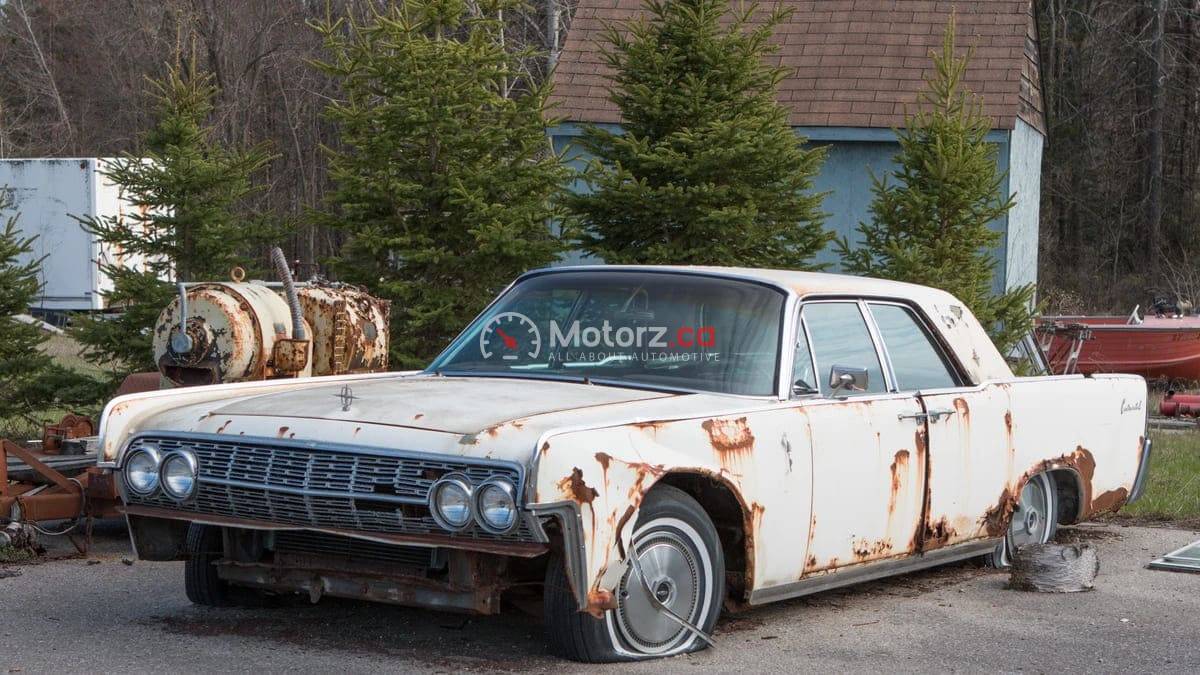
You see it Expensive Rust Repair you walk up to your car: that jagged, bubbling patch of orange on the rear wheel arch or the bottom of the door. It starts as a small “blister” in the paint, but within one Canadian winter, it has blossomed into a full-blown hole. Your first instinct is to rush to the body shop, get an estimate, and sign the authorization form to “cut it out and weld in new metal.”
In the world of “The Corner Wrench,” we understand the panic. Rust is the cancer of the automotive world, and once it takes hold, it feels like the clock is ticking on your vehicle’s life. However, before you hand over your credit card for a 3,000 rust repair job, you need to hit the pause button. In 2026, the economics of car repair have changed, and what looks like a simple cosmetic fix is often just the tip of a very large, very expensive iceberg.
Today, Motorz is diving deep into the reality of corrosion. We are going to explain why you should hold that repair approval, how to distinguish between “cosmetic” and “structural” rot, and why the best rust repair might actually be no repair at all.
The Expensive Rust Repair: Why Rust is Deeper Than It Looks
The most important thing to understand about automotive rust is that it almost always starts from the inside out. By the time you see a bubble in the paint, the metal underneath has likely been thin as parchment for months.
The Problem with “Patching”
When a shop gives you an estimate to Rust Repair a rust hole, they are often only looking at the visible damage. Once they start grinding away the paint, they frequently discover that the rust has spread far beyond the initial spot, traveling along the inner rocker panels or into the wheel house.
The “Scope Creep”: A 500 patch job can quickly spiral into a 2,500 reconstruction project once the technician sees the full extent of the decay. If you haven’t set a “hard cap” on the budget, you could end up over-investing in a vehicle that isn’t worth the cost.
Hidden Structural Decay
At “The Corner Wrench,” we always say: “If the door is rotting, check the floor.” If your vehicle has visible rust on the exterior body panels, there is a high probability that the brake lines, fuel lines, and suspension mounting points are also heavily corroded. Spending thousands to make the car look pretty is a waste of money if the frame is too weak to pass a safety inspection next year.
Cosmetic vs. Structural: Know the Difference
Before approving any work, you need a professional “mechanical” inspection, not just a “body shop” estimate.
Surface Rust and Cosmetic Panels
Rust on the fenders, doors, or trunk lid is generally considered cosmetic. While it looks terrible and hurts resale value, it doesn’t typically affect the safety of the vehicle.
The Strategy: For cosmetic rust on an older daily driver, consider “active prevention” rather than “expensive restoration.” Applying an oil-based rust inhibitor can slow the spread significantly for a fraction of the cost of bodywork.
Structural Rot: The “Deal Breaker”
If the rust is located on the frame rails, the “strut towers” (where your suspension connects), or the subframe, you are looking at a structural issue.
The Risk: In a collision, a rusted frame cannot properly absorb energy, which compromises the safety of everyone inside.
The Verdict: In 2026, structural rust repair is incredibly labor-intensive and requires specialized welding certifications. Often, if the frame is “gone,” the car is a total loss.
The 2026 Reality: New Tech vs. Old Iron
The way we fix cars in 2026 has evolved, and the “old school” way of fixing rust isn’t always the best path forward.
The Rise of Composite and Plastic Panels
Many modern vehicles use plastic or composite fenders and door skins. If your rust is on a removable panel (like a front fender), it is almost always cheaper and better to find a “color-matched” used panel from a salvage yard than to pay a body shop to repair the original metal.
Advanced Sealants and “Cold” Repairs
For non-structural areas, there are now high-tech epoxy resins and metal-bonding adhesives that can be used to seal small holes and prevent moisture from entering. While not a “show-quality” fix, these are excellent for keeping a “winter warrior” on the road for another five years without the 4,000 price tag of traditional welding and painting.
How to Negotiate a Rust Repair Estimate
If you do decide to move forward, don’t just sign the first paper put in front of you. Use these Motorz tips to protect your wallet.
Ask for a “Worst-Case” Quote
Tell the shop: “I know rust is unpredictable. Give me the price for what you see, and give me a ‘do not exceed’ number for what you might find once you start grinding.” This prevents the mid-repair phone call where the price suddenly doubles.
Request Photos of the “Open” Metal
A reputable shop will take photos once they have removed the outer rust but before they weld in the new metal. This allows you to see the health of the inner structure. If the “inside” looks like a pile of iron flakes, you can tell them to stop the work before you spend any more money.
Consider “Functional” Over “Perfect”
If you are driving a ten-year-old SUV, you don’t need a “concourse” paint match. Ask the shop about “industrial” repairs where they treat the rust, seal the metal, and apply a color-matched “rock guard” coating. It is much more durable for Canadian winters and significantly cheaper than a multi-stage pearl paint job.
To Fix or to Fade Away?
Rust repair is a gamble. Before you approve that work order, ask yourself three questions:
Is the frame healthy? (Have a mechanic check the undercarriage first.)
How much longer will I keep this car? (If the answer is less than three years, don’t do major bodywork.)
Is there a cheaper “part swap” option? (Check for used doors or fenders first.)
At Motorz, we want your car to look good, but we want your bank account to look better. Sometimes, the smartest move is to let the rust be, keep the undercarriage oiled, and save that 3,000 for your next down payment.