Automotive reliability is a cornerstone for many Vehicle Honda and Toyota, with Honda and Toyota often leading the pack. However, a massive safety event has recently sent shockwaves through the industry. In a coordinated safety campaign, both manufacturers have recalled approximately 700,000 vehicles in Canada to address critical airbag defects.
This isn’t just a minor technical glitch. The recall involves issues that could prevent an airbag from deploying correctly or, in more severe cases, cause it to malfunction with dangerous force. As we move through 2026, these manufacturers are working around the clock to ensure that the “gold standard” of Japanese reliability remains untarnished.
In this deep dive, we’ll explore the specifics of the recall, which models are sitting in Canadian driveways today with open safety flags, and the immediate steps you should take to protect your passengers.
The Recall Explained: Why Are Vehicle Honda and Toyota Affected?
The sheer scale of a 700,000-unit recall is vehicles in Canada even for giants like Honda and Toyota. The current campaign is focused on two distinct but equally critical airbag issues.
Sensor Malfunctions and Deployment Risks
A large portion of the recent recall centers on the Occupant Classification System (OCS) sensors. These sensors are located under the front passenger seat and are designed to detect the weight of the person sitting there.
The Goal: To prevent the airbag from deploying if a child or a small person is in the seat, as the force of an airbag can be more dangerous than the crash itself for smaller individuals.
The Defect: Due to a manufacturing error, these sensors can short-circuit. If this happens, the airbag might not deploy in a crash where it is needed, or it might deploy when it shouldn’t, increasing the risk of injury.
The Legacy of Inflator Issues
While newer models are dealing with sensor tech, a secondary wave of recalls continues to address older units with airbag inflators that are susceptible to moisture and heat. In Canada’s varied climate—from humid Ontario summers to freezing Prairie winters—the chemical propellant in these inflators can degrade over time, potentially leading to an “over-pressurized” deployment.
Is Your Vehicle on the List? Affected Models in Canada
The 700,000 vehicles span a wide range of model years, primarily focusing on the most popular sedans and SUVs sold in the Canadian market.
Honda and Acura Models
Honda Canada has flagged several of its best-sellers. If you drive any of the following, you should check your VIN immediately:
Honda Civic: Canada’s long-time favorite car is at the heart of this sensor recall.
Honda Accord: Both gas and hybrid models are affected.
Honda CR-V and Pilot: The primary family haulers for many households.
Acura RDX and MDX: Even luxury trims are not exempt from the sensor short-circuit issue.
Toyota and Lexus Models
Toyota Canada’s list includes a similar cross-section of reliable commuters and luxury cruisers:
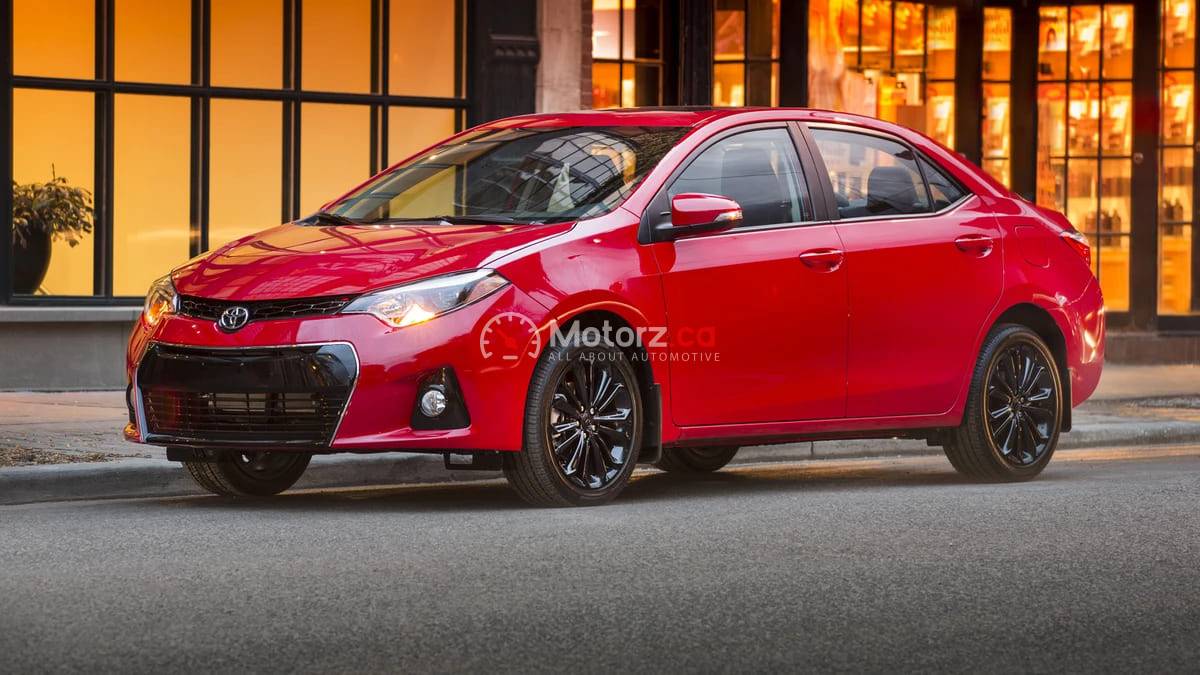
Toyota Corolla: Specifically those equipped with the faulty OCS sensor.
Toyota Highlander and RAV4: These SUVs are under scrutiny for both passenger sensor issues and, in older models, secondary inflator checks.
Lexus NX and RX (2020–2022): High-end crossovers that require a sensor recalibration or replacement.
The Canadian Climate Factor: Why This Recall Matters Locally
You might wonder why a “sensor short circuit” is such a big deal in Canada specifically. Our environment plays a major role in how automotive electronics age.
Road Salt and Humidity
While the sensors are inside the cabin, the moisture brought in by snowy boots and the high humidity of Canadian summers can accelerate the degradation of electronic seals. A “short circuit” is much more likely in an environment where moisture is constantly introduced into the interior of the vehicle.
Extreme Temperature Swings
Canada is famous for 40-degree temperature swings in a single week. This “thermal cycling” causes plastic and metal components to expand and contract. For sensitive OCS sensors, this repeated stress can lead to the hairline fractures that eventually cause the electronic failure.
How to Fix the Issue: What Canadian Dealers Are Doing
If your vehicle is part of the 700,000-unit tally, the fix is mandatory but relatively painless for the owner.
The Inspection: Dealers will first run a diagnostic to see if the OCS sensor is reporting an error.
The Replacement: If the sensor is found to be within the defective batch, the dealer will replace the sensor mat or the entire seat cushion frame, depending on the specific model’s design.
The Cost: Like all safety recalls in Canada, this repair is 100% free of charge. Under federal safety regulations, manufacturers must cover both the parts and the labor for these fixes.
Proactive Steps for Honda and Toyota Owners
Don’t wait for a letter in the mail that might be delayed by a change of address. Here is how to take charge of your safety today:
Find Your VIN: Look at the base of your driver’s side windshield or on your vehicle registration.
Use the Online Tools: Visit the Honda Canada Recall Lookup or Toyota Canada Recalls & Campaigns page. Enter your 17-digit VIN to get an instant status report.
Watch for the Warning Light: If your “SRS” or “Airbag” warning light stays on after you start the car, the system has already detected a fault. Do not wait for a recall check—take the car to a dealer immediately.
Check for “Plus One” Maintenance: While your car is in for the recall, ask the service advisor if there are any other “Product Updates” or software patches for your vehicle. Often, several minor fixes can be done during the same visit.
Maintaining the Shield of Safety
A recall of 700,000 vehicles is a massive undertaking, but it is also a sign that the safety systems in our cars are working as intended. Manufacturers are identifying risks before they result in injuries. By being a proactive owner and checking your VIN today, you ensure that your Honda or Toyota continues to provide the safety and peace of mind your family relies on.