Imagine trying to run a marathon while breathing through a Car’s Air Filters, dusty woolen sock. You would feel sluggish, your heart would race, and your performance would plummet. Your car faces a similar struggle every time you drive with a clogged air filter. While we often obsess over oil changes and tire rotations, the humble air filter is one of the most overlooked components in automotive maintenance.
In this edition of “The Corner Wrench,” we are diving deep into the lungs of your vehicle. Your car actually has two distinct breathing systems: one for the engine and one for you. Maintaining these filters is perhaps the easiest and most cost-effective DIY task you can perform. In the driving landscape of 2026, where fuel efficiency and cabin air quality are more important than ever, knowing how to swap these filters can save you hundreds in shop labor and thousands in long-term engine wear.
From boosting your gas mileage to eliminating that “old gym bag” smell in the cabin, here is everything you need to know about inspecting and replacing your automotive air filters.
The Tale of Two Filters: Car’s Air Filters
Most drivers are surprised to learn that their car has more than one Car’s Air Filters. To maintain your vehicle properly, you must understand the different roles these two components play.
The Engine Air Filter
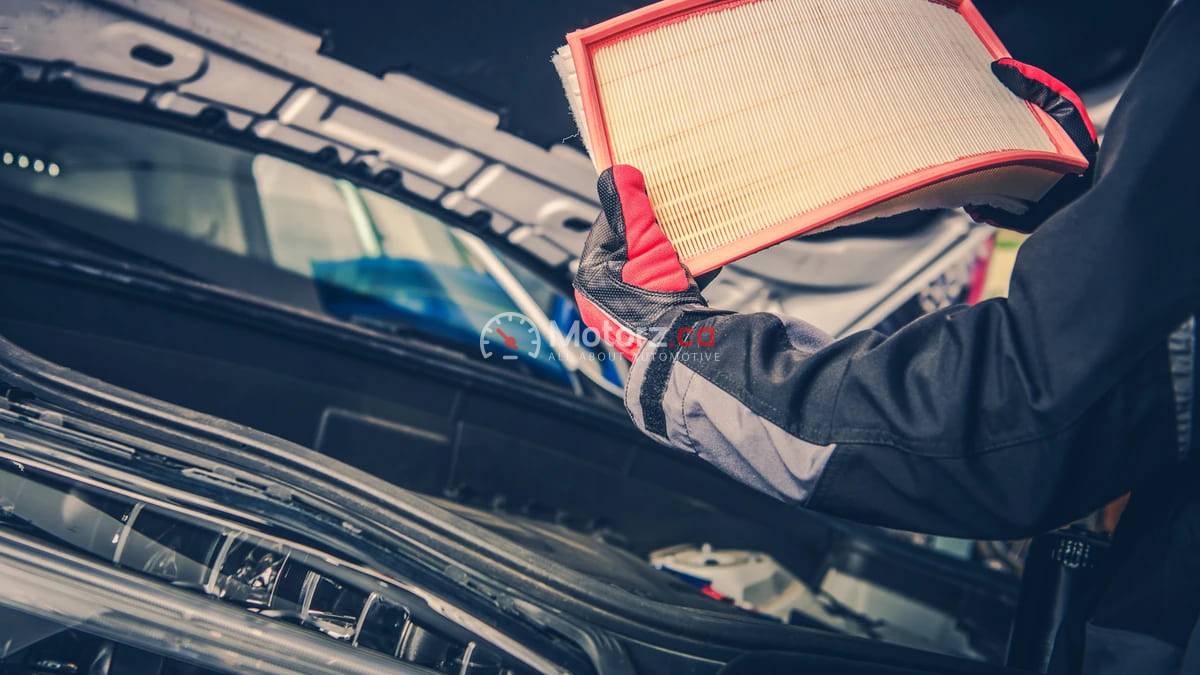
Located under the hood, the engine air filter is the gatekeeper for your internal combustion system. Engines require a precise mixture of fuel and air to create the “bang” that moves your pistons. This filter prevents dust, dirt, sand, and debris from entering the engine cylinders, where they could cause catastrophic abrasive wear.
The Cabin Air Filter
While the engine filter protects the machine, the cabin air filter protects the humans. Usually tucked behind the glove box or under the dashboard, this filter cleans the air that comes through your heating, ventilation, and air conditioning (HVAC) system. It traps pollen, mold spores, dust, and even some pollutants before you breathe them in.
Signs Your Engine Air Filter Needs a Swap
Your engine won’t always trigger a “Check Engine” light to tell you the filter is dirty. Instead, it will give you subtle “Corner Wrench” clues that it is struggling to breathe.
Decreased Fuel Economy
When your engine can’t get enough air, it compensates by burning more fuel to maintain its power. If you notice your fuel gauge dropping faster than usual during your weekly commute, a clogged filter is a prime suspect.
Engine Hesitation and Misfires
A lack of oxygen can lead to “rich” fuel mixtures, which can coat your spark plugs in soot. This results in a rough idle, hesitating when you step on the gas, or even a subtle “putt-putt” sound from the exhaust.
Visual Inspection: The “Light Test”
The most reliable way to check a filter is a visual inspection. Take the filter out and hold it up to a bright light or the sun. If the light can’t pass through the pleats, the filter is “loaded” with debris and needs to be replaced. If the filter looks gray or has visible chunks of leaves or bugs trapped in the folds, it’s time for a new one.
Step-by-Step: How to Replace Your Engine Air Filter
This is a five-minute job that requires zero to minimal tools.
Locate the Airbox: Under the hood, look for a large black plastic box with a giant hose attached to it.
Open the Housing: Most modern cars use simple metal clips that you can flip by hand. Older models may require a Phillips-head screwdriver or a 10mm socket.
Note the Orientation: Before pulling the old filter out, look at which way the pleats are facing.
Clean the Box: Use a damp rag or a vacuum to remove any loose dirt or leaves from the bottom of the airbox before putting the new filter in.
Drop in the New Filter: Ensure the rubber gasket around the edge of the filter sits perfectly flush in the housing. If the box won’t close easily, the filter isn’t seated correctly.
The Car’s Air Filters: Improving Your Interior Environment
If your car smells musty when you turn on the AC, or if your windows take an eternity to defog, your cabin air filter is likely the culprit.
Identifying a Clogged Cabin Filter
Weak Airflow: Even when the fan is on high, you only feel a weak breeze from the vents.
Whistling Noises: Debris caught in the filter can cause a whistling or humming sound when the HVAC system is running.
Allergy Flare-ups: If you find yourself sneezing more often while driving, the filter is likely no longer trapping pollen effectively.
How to Access the Cabin Filter
On most vehicles, the process is simple:
Empty the Glove Box: Open the glove box and remove the contents.
Release the Dampener: There is usually a small plastic arm on the side that unclips.
Squeeze the Sides: Squeeze the walls of the glove box inward to let it drop down toward the floor.
Open the Filter Cover: You will see a long, thin plastic door. Unclip it, and the filter will slide out like a tray.
Check Airflow Direction: This is critical. Look for an arrow on the side of the filter that says “Air Flow.” Ensure your new filter is installed with the arrow pointing in the same direction.
Maintenance Intervals: How Often is Enough?
While your owner’s manual provides a baseline, “The Corner Wrench” philosophy is that your environment dictates your maintenance.
Standard Conditions: Replace both filters every 20,000 to 30,000 kilometers.
Dusty or Rural Areas: If you drive on gravel roads or in high-pollen areas, check them every 10,000 kilometers.
Urban/Heavy Traffic: City driving involves more soot and brake dust; you should plan on annual replacements to keep your cabin air fresh.
The Cost of Procrastination
Ignoring your air filters might seem harmless, but it has a “snowball effect.” A dirty engine filter causes spark plug fouling and puts stress on your sensors. A clogged cabin filter puts extra load on your blower motor, which can eventually burn out—a repair that costs hundreds more than a simple 20 filter.
A Simple Fix for a Better Ride
Maintaining your car’s air filters is the ultimate “low effort, high reward” maintenance task. It keeps your engine running efficiently, protects your interior air quality, and gives you the satisfaction of knowing your vehicle is breathing easy.
Next time you are at the auto parts store, pick up a fresh set of filters. Your lungs—and your engine—will thank you.