You come home after a Vehicle Safe to Drive, sift through a stack of flyers and bills, and find a letter from your car manufacturer. The word RECALL is printed in bold, urgent lettering. Your heart sinks. Suddenly, your reliable daily driver feels like a ticking time bomb. You wonder: Can I still drive to work tomorrow? Do I need to park it on the street? Is my family in danger?
In the world of “The Corner Wrench,” we see these notices every week. In 2026, vehicle recalls have become more frequent—not necessarily because cars are getting “worse,” but because our safety standards are higher and our onboard sensors are better at catching glitches before they lead to tragedy. However, the sheer volume of recalls can lead to “notification fatigue,” where drivers simply toss the letter in the glovebox and forget about it.
Ignoring a recall is a gamble you don’t need to take. Today, we are breaking down how to read a recall notice, how to prioritize the risk, and exactly what you need to do to keep your “Motorz” lifestyle safe and sound.
Vehicle Safe to Drive: Not All Recalls are Created Equal
When a manufacturer issues a Vehicle Safe to Drive, it falls into a specific category of risk. Understanding these categories is the first step in deciding whether you should keep driving or call a tow truck.
The “Do Not Drive” Warning
This is the most severe alert. If your notice includes these words, stop driving immediately. This is typically reserved for catastrophic failures, such as steering shafts that could snap or brake systems that might fail entirely.
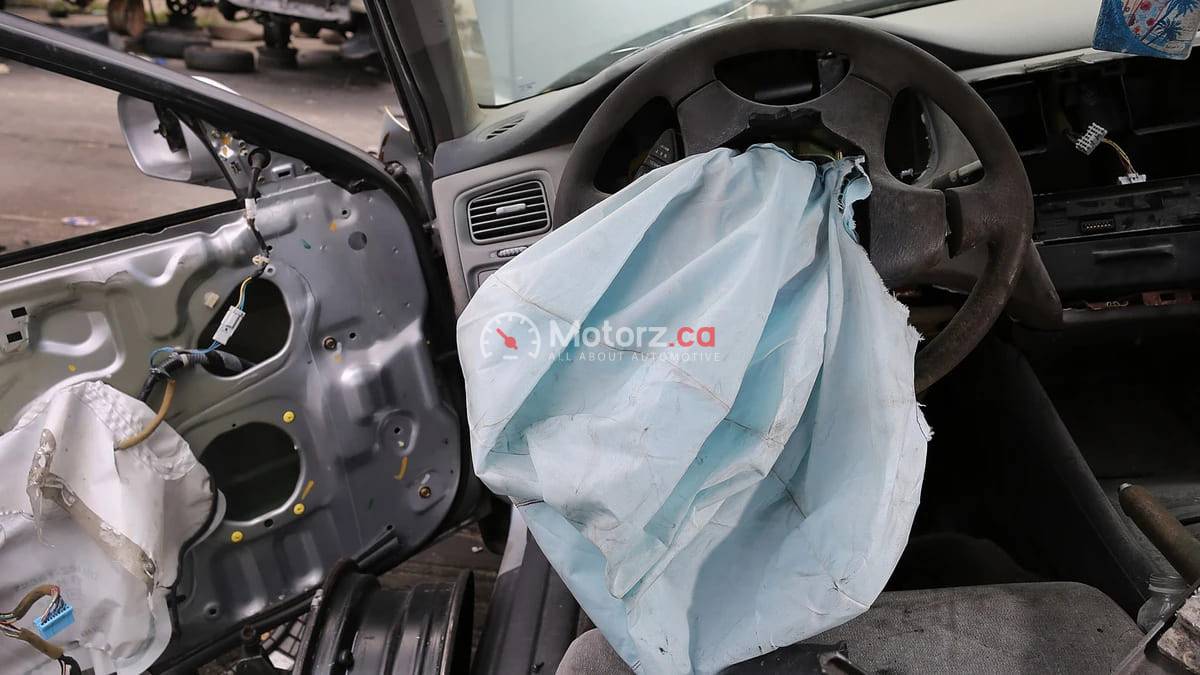
Example: In early 2026, certain GMC Canyon models were flagged because of an airbag software issue that could cause deployment with excessive force. In such cases, the manufacturer will often pay for a tow and provide a loaner vehicle while the fix is implemented.
The “Park Outside” Warning
If your recall is related to a fuel leak or an electrical short in the ABS module, you might be told to park your vehicle away from structures.
Why it matters: In these scenarios, the car is safe to drive to the grocery store, but it could spontaneously catch fire while sitting in your garage overnight. Don’t risk your home—follow the parking instructions to the letter.
Standard Safety Recalls (Urgent but Manageable)
The vast majority of recalls fall into this bucket. They represent a “potential” risk. For instance, a seatbelt pretensioner might not lock correctly in a high-speed collision, or a backup camera might fail to display.
The Verdict: You can usually continue to drive these vehicles to your appointment, but you should schedule the repair at your earliest convenience.
How to Check Your Status: Tools for the Proactive Driver
Don’t wait for a letter in the mail. In 2026, digital tracking is the fastest way to stay ahead of safety issues.
The VIN Lookup (Your Digital Fingerprint)
Every car has a unique 17-digit Vehicle Identification Number (VIN). You can find it on your insurance slip or on the driver’s side dashboard near the windshield.
NHTSA (USA) & Transport Canada: Use the official government databases to search your VIN. These sites are updated in real-time and will show “Open” recalls that have not yet been repaired on your specific car.
Manufacturer Portals: Brands like Ford, Toyota, and GM have dedicated “Recall Lookup” tools on their websites. These are often the most detailed sources for instructions on how to book your free repair.
Third-Party Apps
In 2026, many “Motorz” fans use apps that monitor their VIN automatically. These apps will send a push notification to your phone the moment a recall is registered with the authorities, often days before a physical letter reaches your mailbox.
The “Corner Wrench” Repair Process: What to Expect
One of the biggest reasons people ignore recalls is the fear of a massive bill or a week without a car. Let’s clear up those misconceptions.
It is Always Free
By law, safety recall repairs must be performed at no cost to the consumer. This includes parts and labor. If a dealership tries to charge you for “related shop fees” during a recall repair, stand your ground—that is a violation of the recall agreement.
The Software “Flash” Fix
In 2026, a significant number of recalls are “Software-Defined.” This means a technician simply plugs a laptop into your car’s OBD-II port and “flashes” a new update to the computer. These repairs often take less than an hour.
Parts Availability Issues
Sometimes, a recall is issued before the manufacturer has enough parts to fix every car. In this case, you will receive an “interim notice.”
Pro Tip: If your car is part of a high-volume recall (like the ongoing Takata airbag replacements), get on the dealership’s “waitlist” immediately. Parts are usually distributed on a first-come, first-served basis.
The Hidden Risks: Beyond the Mechanical Failure
Ignoring a recall doesn’t just put your physical safety at risk; it can also hurt your wallet in unexpected ways.
Insurance and Liability
If you are involved in an accident and it is determined that a “known, unrepaired recall” caused the crash, your insurance company may investigate. While they generally still pay out, ignoring a safety notice can complicate your claim and could potentially lead to a “negligence” finding in a legal setting.
Resale Value and Trade-Ins
In the modern used car market, a “clean” vehicle history report is essential. If you try to sell your car or trade it in at a dealership, they will check for open recalls. An unrepaired recall can lower your trade-in value or even prevent a dealership from legally being able to resell the car until the work is done.
Action is the Only Option
Is your recalled vehicle safe to drive? The answer depends entirely on the specific instructions in your notice. However, the only way to be 100 percent sure is to get the repair done.
At “The Corner Wrench,” we advise a “Check, Call, and Complete” strategy:
Check your VIN online today.
Call your local authorized dealer the moment you see an open recall.
Complete the repair, keep the paperwork as proof for your service history, and drive with the peace of mind that your vehicle is as safe as the day it was built.
Don’t let a piece of mail sit in your glovebox. Your safety—and the safety of everyone else on the road—is worth the one-hour trip to the shop.