There was a time when a Modern Vehicles could pop the hood of their vehicle, identify most of the components, and perform a basic tune-up with a simple socket set and a bit of patience. Today, opening the hood of a 2026 model feels like looking into the server room of a tech giant. With high-voltage orange cables, plastic shrouds covering everything, and sensors tucked into every crevice, the “do-it-yourself” era is under siege.
As we move deeper into the 2020s, the automotive industry is at a crossroads. On one hand, we have the most efficient, safest, and most technologically advanced vehicles ever produced. On the other, we are seeing a rise in “feature fatigue,” soaring repair costs, and a growing disconnect between drivers and their machines. In this edition of the Motorz deep dive, we are asking the tough question: Have new cars become too complicated for their own good?
From the “Corner Wrench” perspective, complexity is a double-edged sword. While it brings us incredible features like adaptive cruise control and predictive maintenance, it also introduces failure points that can turn a minor glitch into a multi-week stay at a dealership service center. Let’s peel back the layers of modern automotive tech to see where we are heading.
The Rise of the Modern Vehicles
In 2026, the mechanical components of a Modern Vehicles —the pistons, gears, and shafts—are no longer the stars of the show. Instead, the focus has shifted to the software. A modern high-end vehicle now runs on over 100 million lines of code. To put that in perspective, a Boeing 787 Dreamliner runs on about 14 million.
Over-the-Air (OTA) Updates: Convenience or Crutch?
The ability for a car to “heal” itself or gain new features while parked in your driveway is revolutionary. Tesla pioneered this, and now manufacturers like Ford, GM, and Toyota have followed suit.
The Benefit: Manufacturers can fix software bugs or recall electronic components without the customer ever visiting a shop.
The Complication: Some critics argue that OTA updates allow manufacturers to ship “unfinished” products, relying on software patches to fix hardware inadequacies after the customer has already taken delivery.
The Death of the Physical Button
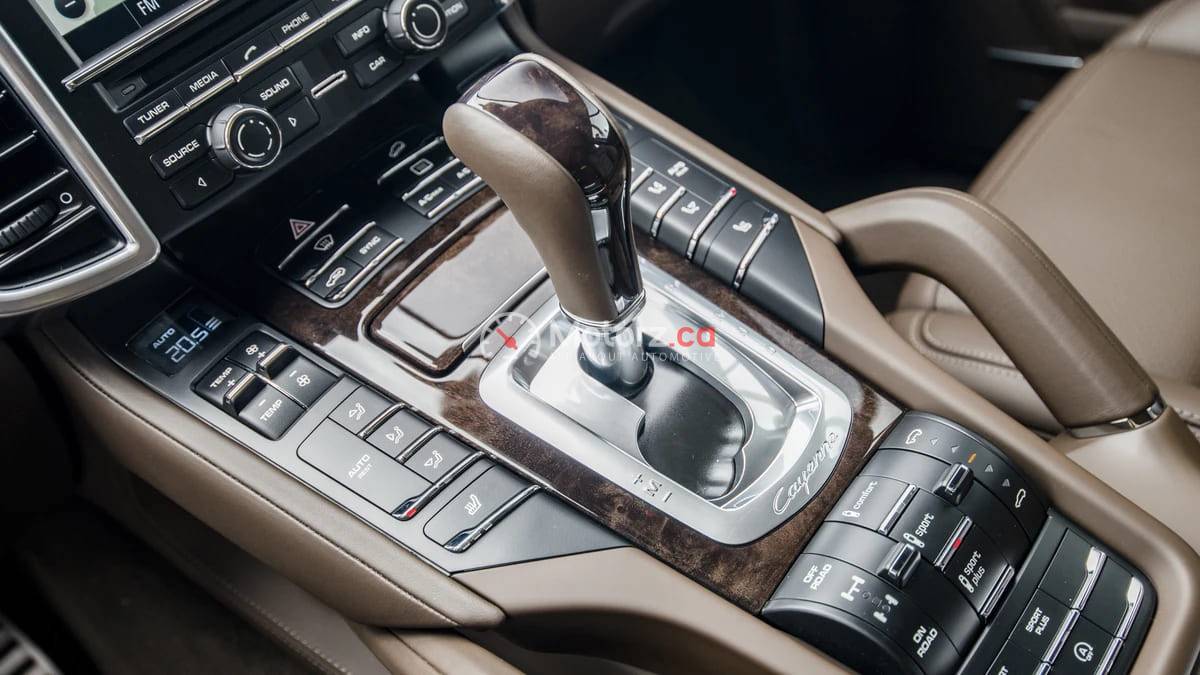
Walk into any new vehicle showroom in Toronto or Calgary today, and you’ll likely see a massive touchscreen dominating the dashboard. While sleek, the migration of basic functions—like climate control and seat heaters—into sub-menus on a screen has become a major point of contention.
Safety Concerns: Studies are beginning to show that navigating touchscreens while driving is significantly more distracting than feeling for a tactile physical knob.
The Enforced Shift: Interestingly, Euro NCAP (the safety rating body) has recently begun pushing back, suggesting that vehicles must have physical controls for critical functions to maintain a five-star safety rating.
ADAS and the Price of Safety
Advanced Driver Assistance Systems (ADAS)—including lane-keep assist, automatic emergency braking, and blind-spot monitoring—are responsible for a massive decrease in high-speed collisions. However, they are also the primary reason why “fender benders” are a thing of the past.
The 5,000 Bumper
In a car from fifteen years ago, a low-speed bump into a parking bollard might have required some paint and a bit of plastic repair. In 2026, that same bumper contains radar sensors and ultrasonic transducers that require precise calibration.
The “Corner Wrench” Reality: A simple bumper replacement now requires specialized diagnostic equipment to ensure the sensors are aligned to within a fraction of a millimeter. If they aren’t, your automatic braking system might “see” a ghost and slam on the brakes on a clear highway.
Complexity in the Glass
Even your windshield has become a high-tech component. Many ADAS cameras are mounted behind the rearview mirror, looking through the glass.
Replacement Logistics: If you get a stone chip on the 401 and need a new windshield, it isn’t just about the glass anymore. The cameras must be recalibrated, often doubling or tripling the cost of what used to be a simple 300-400 repair.
The Right to Repair in a Digital World
As cars become more complicated, the ability for independent shops—the lifeblood of the “Corner Wrench” community—to service them is being restricted.
Proprietary Tools and Data Locks
Many manufacturers now lock their vehicle’s data behind proprietary “gateways.” To even read a trouble code, a mechanic might need a subscription-based tool that costs thousands of dollars per year.
The Impact on Owners: This forces owners back to the dealership, where labor rates are often 50 to 100 percent higher than at a local independent shop. It also means that in rural areas, getting a high-tech vehicle serviced can require a three-hour tow to the nearest metro center.
Subscription-Based Features
We are seeing a trend where hardware is installed in the car (like heated seats or remote start), but it is locked behind a paywall.
The Paradox: You own the car, you own the heating elements in the seat, but you have to pay a monthly fee to “unlock” the software that turns them on. This level of complexity feels less like automotive engineering and more like a “Software-as-a-Service” (SaaS) business model.
Is Reliability Suffering?
There is a long-standing rule in engineering: The more parts a system has, the more ways it can fail.
Sensors: The Weakest Link
Often, the mechanical part of a car is perfectly fine, but a 50 sensor has failed, sending the vehicle into “limp home mode.” In the 2026 market, “check engine” lights are increasingly triggered by emissions sensors or communication errors between computers (CAN bus errors) rather than actual mechanical breakdowns.
The Longevity Question
Can a car with 100 million lines of code and twenty different computer modules realistically last twenty years? While the engines and transmissions are more durable than ever, the “digital decay” of screens and sensors might make these vehicles economically unrepairable once they reach their third or fourth owner.
Finding the Sweet Spot
Are new cars too complicated? The answer is a nuanced “Yes, but.” We are currently in a “teenage” phase of automotive technology. We have all the power of modern computing, but we haven’t yet mastered how to make it user-friendly, affordable to repair, and long-lasting.
At Motorz, we appreciate the safety and efficiency that complexity brings. However, we also champion the “Corner Wrench” values of transparency and repairability. The “perfect” car of the future isn’t the one with the most screens; it’s the one that uses technology to empower the driver, not just the manufacturer’s service department.