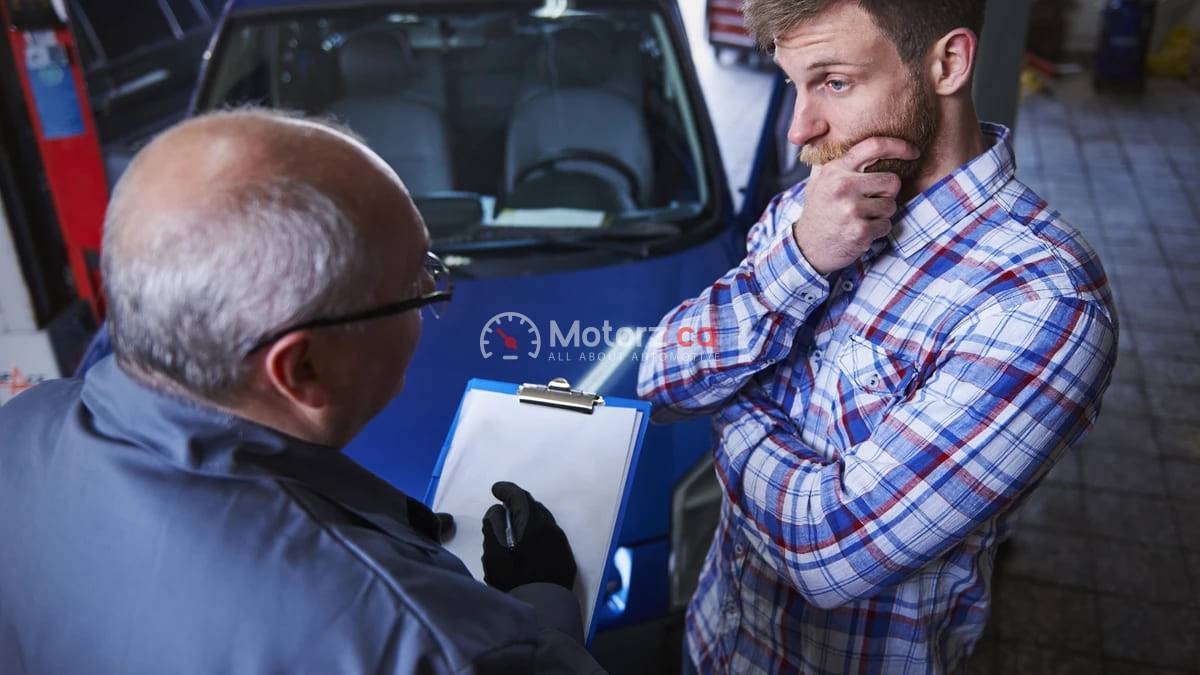
We have all been there. You are Modern Car Diagnostics the highway, enjoying a podcast, when a small, amber glow appears on your dashboard. It is the dreaded “Check Engine” light. In the past, a seasoned driver might have popped the hood, listened for a rhythmic tap, or checked a couple of vacuum lines to solve the problem. But in 2026, your car is essentially a high-performance supercomputer on wheels.
The temptation to buy a cheap 20-unit OBD-II scanner and “self-diagnose” is stronger than ever. However, there is a massive difference between reading a code and understanding a problem. At “The Corner Wrench,” we see the aftermath of “YouTube-certified” repairs every week. Often, a well-meaning owner spends hundreds on parts they didn’t need, only to end up at the shop anyway.
At Motorz, we champion the DIY spirit for maintenance, but when it comes to troubleshooting complex electronics, Lorraine Explains why precision is cheaper than guesswork. Today, we are exploring why modern car diagnostics are a specialized craft and how “professional-grade” troubleshooting saves you time, money, and sanity.
The Myth of the Modern Car Diagnostics Scanner
The biggest misconception in the automotive world is that the diagnostic port (OBD-II) tells the mechanic exactly which part is broken. If only it were that simple.
Reading a Code vs. Diagnosing a Fault
When you plug a scanner into your Modern Car, it might return a code like P0301, which translates to “Cylinder 1 Misfire.” A DIYer might see that and immediately buy a new spark plug and ignition coil. But what if the spark plug is fine? A misfire can be caused by a clogged fuel injector, a vacuum leak, low compression, or even a software glitch in the Engine Control Unit (ECU).
The Pro Difference: A professional technician doesn’t just read the code; they use it as a starting point. They perform “pin-out” tests and use oscilloscopes to see the electrical heartbeat of the sensor. They confirm the failure before they ever open a box of new parts.
The Limits of Cheap Handheld Tools
The scanners you find at a local big-box store are often “read-only.” They can see basic emissions data, but they cannot access the proprietary “modules” that control your airbags, anti-lock brakes (ABS), or advanced driver assistance systems (ADAS). In 2026, a car can have over 100 different computers talking to each other. If your blind-spot monitor is acting up, a cheap scanner will likely show nothing at all.
The High Cost of “Guess-and-Check” Maintenance
One of the most expensive ways to fix a car is to start replacing parts until the light goes out. This is known in the industry as “throwing parts at a problem,” and it is the primary reason we recommend leaving diagnostics to the pros.
The Non-Returnable Electrical Part
Most auto parts stores have a strict policy: once an electrical part (like a sensor or a computer) is installed, it cannot be returned. If you spend 250 on a new Mass Airflow Sensor because you think it is the problem, and the light stays on, you are out 250 with nothing to show for it.
The Expert Advantage: When a shop like “The Corner Wrench” performs a diagnostic, they take the “financial risk.” If they tell you that you need a sensor and it doesn’t fix the car, a reputable shop will stand by their work. You pay for a solution, not a guess.
Hidden Damage from DIY Mistakes
Modern sensors operate on very low voltage—often just 5 volts. If a DIYer accidentally probes a sensor wire with a standard test light or applies “battery power” to a data line, they can instantly “fry” a 1,000 ECU. Professional technicians use high-impedance digital multimeters and back-probing kits designed specifically to protect the vehicle’s “brain.”
2026 Technology: Software is the New Hardware
In the current automotive landscape, a “broken” part might not be broken at all—it might just be “confused.”
Re-flashes and Software Updates
Just like your smartphone, modern cars receive software updates to fix bugs, improve fuel economy, or address recalls. Sometimes, a “Check Engine” light is triggered by a software parameter that is too sensitive.
The Professional Toolset: Dealerships and high-end independent shops have access to factory servers. They can “re-flash” your car’s computer with the latest software. A DIY scanner cannot “patch” your engine’s operating system; only a professional interface can perform these critical updates.
Calibration Requirements
If you replace a modern component—even something as simple as a battery or a throttle body—the car often needs to “learn” the new part. This requires a “Relearn Procedure” or “Coding.” Without a professional-grade scan tool to tell the car that a new part has been installed, the vehicle may run poorly, refuse to start, or disable safety features like emergency braking.
The Diagnostic Fee: What Are You Actually Paying For?
At Motorz, we often get asked why shops charge 150 or more just for “testing.” It is important to understand that you aren’t paying for the tool; you are paying for the training.
Years of Specialized Training
A “Master Technician” has spent thousands of hours learning the intricacies of CAN-BUS networking, hydraulic theory, and electrical engineering. When they spend an hour on your car, they are applying a decade of experience to find a needle in a haystack.
Subscriptions and Equipment
Professional diagnostic platforms (like Snap-on, Autel, or factory ODIS/IDS systems) cost thousands of units of currency to purchase and hundreds more every month in subscription fees to keep the data current. The diagnostic fee helps the shop maintain the cutting-edge technology required to talk to your 2026 model vehicle.
When to DIY and When to Call the Pros
We love it when owners take an active role in car care. However, knowing your limits is the hallmark of a smart owner.
Safe for DIY: Changing oil, replacing air filters, swapping wiper blades, or rotating tires. These are mechanical tasks with visible results.
Leave to the Pros: Any warning light (Check Engine, ABS, Airbag), electrical “gremlins” (windows working intermittently), drivability issues (stuttering, stalling), or ADAS sensor alignments.
At Motorz, our goal is to keep you on the road and out of the “money pit.” By investing in a professional diagnostic up front, you avoid the frustration of failed repairs and ensure your vehicle remains safe, efficient, and reliable. Let the experts handle the data, so you can focus on the drive.