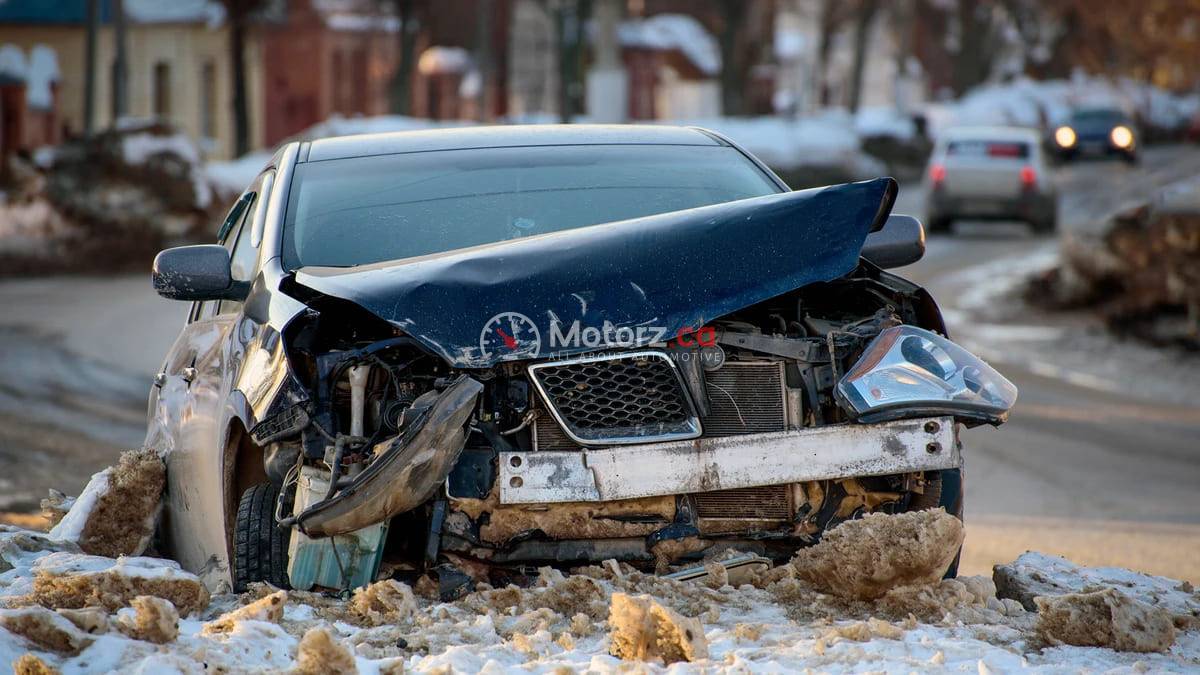
You have just been in a fender Collision Repair. After the initial shock wears off and you have traded insurance information, the next step is the repair process. When you get the estimate from the body shop or your insurance adjuster, you will likely see a list of parts with acronyms like OEM, CAPA-certified, or Aftermarket.
In the world of “The Corner Wrench,” we believe that what goes under the hood (and on the body) determines how your car will perform in its next accident. In 2026, cars are no longer just metal boxes; they are sophisticated safety systems where every panel and bracket is engineered to a specific tolerance.
But does it really matter if your new bumper cover comes from the original manufacturer or a third-party factory? Is the price difference worth the potential risk to your vehicle’s structural integrity and resale value? Today, we are breaking down the “OEM vs. Aftermarket” debate to help you make an informed decision during one of the most stressful parts of vehicle ownership.
Defining the Players: Collision Repair, and Recycled
Before we can weigh the pros and cons, we need to speak the same language. Not all non-OEM parts are created equal.
Original Equipment Manufacturer (OEM)
These are the exact same parts that were on your Collision Repair when it rolled off the assembly line. They are branded by the automaker (like Ford, Toyota, or BMW) and are built to the exact specifications, materials, and safety standards of the original vehicle.
Aftermarket Parts
These are parts made by a company other than the original manufacturer. They are designed to “fit and function” like the original but may use different materials or manufacturing processes to keep costs low.
CAPA Certified: Some aftermarket parts carry a seal from the Certified Automotive Parts Association. This means the part has been tested to ensure it matches the OEM part in terms of fit and finish.
Recycled (Salvage) Parts
These are genuine OEM parts taken from a donor vehicle—usually one that was totaled due to rear-end damage, leaving the front-end parts (like the hood or fenders) perfectly intact.
The Case for OEM: Why “Original” Usually Wins
When you are at the “Corner Wrench” getting a technical assessment, we often lean toward OEM for three critical reasons: Fit, Safety, and Resale.
Precision Fit and Finish
OEM parts are made using the same molds as the originals. This ensures that the “gaps” between your panels (the shut lines) are perfectly uniform. Aftermarket fenders or hoods often require a technician to “manhandle” them into place, which can lead to rattles, wind noise, or uneven paint wear over time.
Structural Integrity and Crash Safety
This is the most important factor in 2026. Modern cars use “crumple zones” and high-strength steels to redirect the energy of a crash away from the passengers.
The “Flimsy” Factor: An aftermarket bumper reinforcement might look the same as an OEM one, but if the metal is a different grade or the welds are less robust, it may not collapse as intended in a future collision. This could mean your airbags deploy late or the cabin structure is compromised.
Advanced Driver Assistance Systems (ADAS)
In 2026, your bumper is not just a piece of plastic; it is a housing for radar sensors, cameras, and ultrasonic park-assist tech. OEM parts are guaranteed to be “transparent” to these sensors. Some aftermarket plastics have different densities that can cause “ghosting” or interference with your car’s emergency braking system.
The Insurance Struggle: The “Like Kind and Quality” Clause
Most Alberta and Ontario insurance policies contain a clause stating they will provide parts of “Like Kind and Quality” (LKQ). This is the legal loophole that allows insurance companies to push for cheaper aftermarket parts.
Why Insurance Companies Hate OEM
Simply put: cost. An OEM headlight for a 2026 SUV might cost 1,200, while an aftermarket version might be only 450. Multiply that across a whole repair, and the insurance company saves thousands.
Your Right to Choose
In many provinces, you have the right to request OEM parts, but you may have to pay the “price difference” out of pocket unless you have a specific “OEM Replacement” rider on your insurance policy. We always recommend checking your policy for an OPCF 43 (Removing Depreciation) or similar endorsement that guarantees new OEM parts for the first few years of ownership.
When is Aftermarket “Good Enough”?
While we advocate for OEM in structural and safety-critical areas, there are times when aftermarket parts are a sensible, “Corner Wrench” approved choice.
Non-Safety Aesthetic Parts
Items like side-mirror glass, door handles, or plastic trim pieces are generally safe to buy aftermarket. These do not affect the crash structure of the vehicle, and the cost savings can be significant.
Older Vehicles (The “Total Loss” Threshold)
If you are driving a 10-year-old car, using expensive OEM parts might push the repair cost above the car’s total value, leading the insurance company to “write it off.” In this case, using high-quality aftermarket or recycled parts can keep your car on the road and out of the scrapyard.
Protecting Your Investment
In a collision repair, the parts you choose are the foundation of the fix. While aftermarket parts offer a temptingly low price point, they often come with hidden costs in the form of poor fitment, compromised safety sensors, and lower resale value.
At Motorz, our advice is clear: If the part is structural, involves a sensor (ADAS), or is a major body panel, insist on OEM. For everything else, high-quality recycled parts are a better “green” and “genuine” alternative to cheap aftermarket imitations. Keep your car’s DNA original, and it will keep you safe for miles to come.