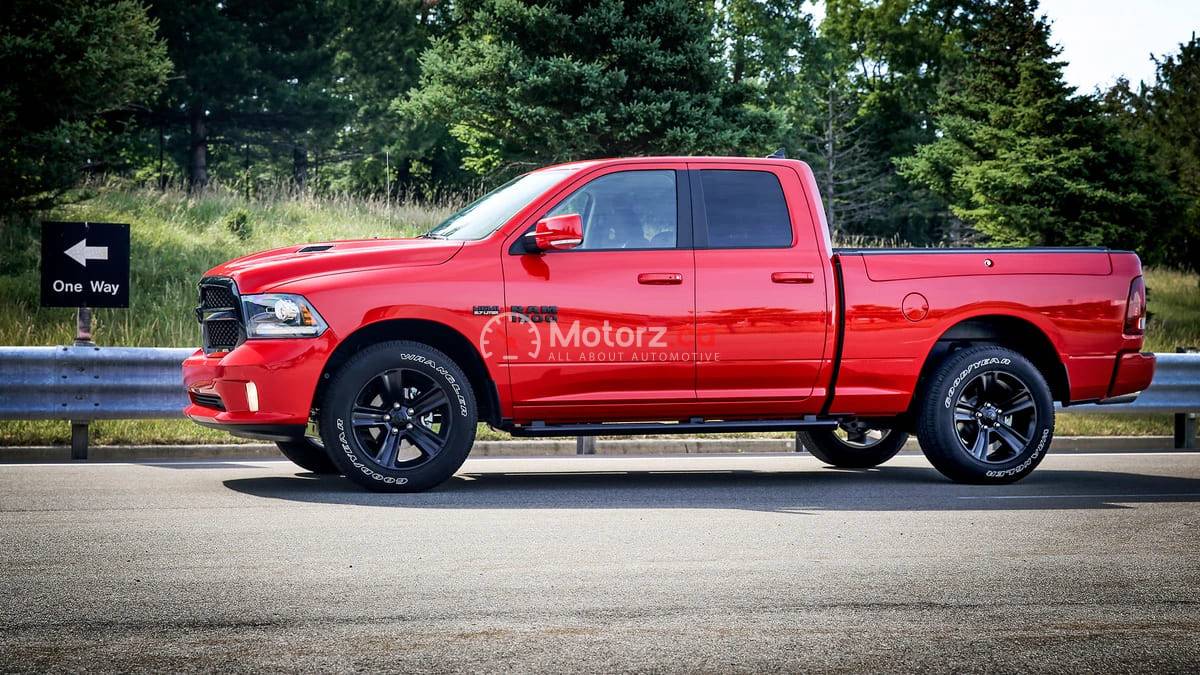
The 2009 model year marked a Maintenance Sore Spots shift for the Ram 1500. It was the birth of the “DS” generation, introducing the revolutionary coil-link rear suspension that traded the bouncy ride of a traditional truck for car-like comfort. Since then, whether branded as a Dodge or simply a Ram, these trucks have become staples on Canadian and American roads. They are prized for their aggressive styling, the legendary Hemi power, and interiors that often rival luxury sedans.
However, as these trucks age—and as the newer “DT” generation continues to evolve in 2026—certain “sore spots” have made themselves known to mechanics and high-mileage owners. From the distinct rhythmic “tick” of the engine to electrical gremlins in the cabin, owning a Ram 1500 requires a proactive approach to maintenance.
In this edition of Your Corner Wrench, we are pulling back the wheel liners and looking deep into the engine bay to identify the most common mechanical headaches for 2009 and newer Ram 1500s. Whether you are a DIY enthusiast or a truck owner looking to avoid a massive repair bill, this guide is your roadmap to reliability.
The Hemi Tick: Maintenance Sore Spots and Lifter Issues
If you own a Ram with the 5.7L Hemi V8, you have likely heard about the “Hemi Tick.” While it is a common sound, it actually stems from two very different mechanical issues.
Broken Exhaust Manifold Bolts
The most common cause of a rhythmic ticking sound, especially when the engine is cold, is a broken exhaust manifold bolt.
The Cause: The iron manifolds and the aluminum cylinder heads expand at different rates. Over thousands of heat cycles, this stress eventually snaps the rear-most bolts.
The Symptom: You will hear a loud “tick-tick-tick” when you start the truck in the morning. As the metal heats up and expands, the gap often closes, and the noise disappears—until the next cold start.
The Fix: Replacing the bolts with higher-quality aftermarket studs or opting for shorty headers can provide a permanent solution.
The Dreaded Lifter and Camshaft Failure
A much more serious “tick” is one that does not go away when the engine warms up. This is often caused by a needle bearing failure in one of the roller lifters.
The Danger: When the lifter seizes, it begins to “eat” the lobe of the camshaft. If left ignored, this sends metal shavings through your engine, eventually requiring a complete engine teardown.
Prevention Tip: High-quality synthetic oil and frequent oil changes (every 8,000 kilometers) are essential. Many mechanics also suggest avoiding excessive idling, as the Hemi’s oiling system at low RPMs can be insufficient for the lifters.
Driveline and Suspension Weak Points
While the coil-spring rear suspension makes the Ram 1500 a joy to drive, it introduces specific maintenance needs that traditional leaf-spring trucks don’t have.
Rear Upper and Lower Control Arms
Because the rear axle is held in place by a multi-link setup, the rubber bushings in the control arms take a lot of abuse.
What to Watch For: If you feel the rear end “wiggle” or shift when you hit a bump, or if you hear a clunk when accelerating from a stop, your bushings are likely shot.
The Insight: In 2026, many owners are upgrading to polyurethane bushings or heavy-duty boxed control arms to improve towing stability and longevity.
CV Axle Boot Failures (4WD Models)
For those in “salt-belt” regions like Ontario or the Maritimes, the front CV boots on 4×4 models are prone to cracking.
The Maintenance Spot: During every oil change, inspect the rubber boots for grease spray. If a boot tears, road salt and grit enter the joint, destroying it within weeks. Catching a torn boot early allows for a cheap repair; waiting too long means replacing the entire axle.
Electrical Gremlins: TIPM and Water Intrusion
Ram trucks are sophisticated, but their electrical systems can sometimes be their Achilles’ heel.
The Totally Integrated Power Module (TIPM)
The TIPM is essentially the brain of the truck’s electrical system. In models from 2009 through the mid-2010s, this component has a high failure rate.
Symptoms: Fuel pumps that won’t turn off (draining the battery), headlights that flicker, or windshield wipers that turn on by themselves.
The Fix: While a new TIPM can be expensive, many specialized shops now offer repair kits or bypass cables for the fuel pump relay, saving owners thousands.
The Third Brake Light Leak
It sounds minor, but a leaking gasket on the high-mount third brake light is a notorious Ram issue.
The Damage: Water seeps through the light and runs down the back of the cab, soaking the headliner and potentially damaging the RF Hub (Radio Frequency Hub) located behind the rear seat.
The Prevention: Inspect your headliner for water stains. Replacing the factory foam gasket with a thicker, high-quality rubber gasket is a cheap 10-minute fix that prevents a 1,000-unit electrical repair.
Transmission Maintenance: The 8-Speed Revolution
Starting around 2013, Ram began using the ZF-sourced 8-speed automatic transmission (8HP). It is widely considered one of the best transmissions in the world, but it has a “maintenance lie” attached to it.
The “Lifetime Fluid” Myth
Ram often advertises the 8-speed transmission fluid as “lifetime.” In the world of high-performance trucking, “lifetime” usually means “until the warranty expires.”
The Real Schedule: To keep these transmissions shifting smoothly past 200,000 kilometers, the fluid and the integrated filter/pan should be replaced every 80,000 to 100,000 kilometers.
The Challenge: The 8-speed fluid is specialized and can be pricey. However, compared to the cost of a transmission replacement, it is a vital investment.
Active Grille Shutters and Thermal Management
To improve fuel economy, modern Rams use active grille shutters that open and close to manage airflow and engine temperature.
Shutter Failure
In cold climates, ice and slush can freeze these shutters in the closed position.
The Symptom: If the shutters fail closed, your truck will overheat on the highway even in the dead of winter. If they fail open, your heater will take an eternity to warm up the cabin.
Maintenance Tip: During winter washes, ensure you spray out the grille area to keep the plastic linkages free of salt and ice buildup.
Proactive Care for a Long-Life Ram
The 2009+ Ram 1500 is a capable, comfortable, and powerful machine, but it is not a “set it and forget it” vehicle. By staying on top of oil quality to protect the Hemi lifters, sealing up that third brake light, and ignoring the “lifetime fluid” claims on the transmission, you can keep your Ram on the road for decades.
These trucks talk to you—usually through a tick or a clunk. If you learn to listen and address these sore spots early, your Ram will remain the dependable workhorse it was designed to be.