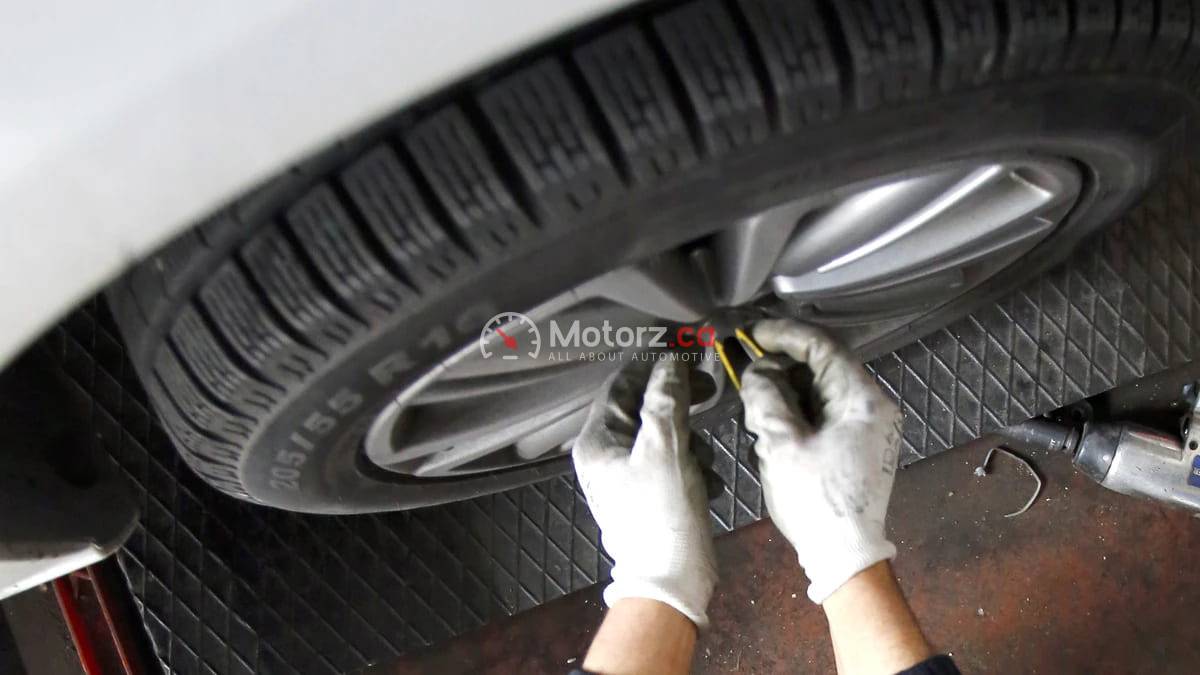
For many drivers, the changing of the seasons is marked by the colors of the leaves or the first sighting of a robin. But for the savvy vehicle owner, the true transition happens in the driveway or the local shop. Tire changeover season is one of the most critical windows in your automotive calendar. It is the moment where safety, fuel efficiency, and tire longevity all intersect.
In 2026, tire technology has reached a pinnacle of specialization. We no longer just “swap rubber”; we manage complex sensor systems and handle high-performance compounds designed for specific thermal windows. Whether you are prepping for a Canadian winter or gearing up for a cross-country summer road trip, simply “changing the tires” isn’t enough. You need to cover all your bases to ensure your vehicle remains a precision instrument.
This comprehensive guide breaks down the essential checklist for a successful seasonal swap, from the science of rubber compounds to the secrets of proper storage.
Timing the Switch: The 7-Degree Rule
The most common mistake drivers make is waiting for the first snowflake to fall or the first heatwave to hit. By then, you are already behind the curve.
The Science of the Threshold
The industry standard for 2026 remains the 7-degree rule.
Autumn Switch: When the daily average temperature consistently drops below 7 Celsius, all-season and summer rubber begins to harden. This “glass transition” reduces the tire’s ability to grip the road, even on dry pavement.
Spring Switch: Conversely, once the temperature stays above 7 Celsius, the soft, pliable rubber of a winter tire begins to wear down rapidly. Driving winter tires in 20-unit heat is like rubbing an eraser against a chalkboard—it destroys the tread in a matter of weeks.
Beating the “Shop Rush”
In major hubs across Ontario, British Columbia, and the Prairies, tire shops become fully booked weeks in advance once the 7-degree mark is hit.
Pro Tip: Schedule your appointment based on the long-range forecast, not the current window. Booking in early October or late March can save you hours of waiting and ensure you aren’t caught in a sudden late-season freeze.
The Inspection: Tread Depth and Rubber Health
Before you put your “off-season” tires back on the car, you must verify they are still fit for service. A tire that looks “okay” might be legally or practically worn out.
Measuring Tread Depth
In 2026, the legal minimum for tread depth in North America is 2/32 of an inch, but “legal” doesn’t always mean “safe.”
Winter Tires: For effective snow traction, experts recommend at least 5/32 of an inch. Anything less, and the sipes (the tiny slits in the tread) cannot adequately “bite” into the snow.
Summer/All-Season: Once you hit 4/32 of an inch, your risk of hydroplaning on wet spring roads increases significantly.
The Toonie Test: In Canada, you can use a toonie. If the tread reaches the bear’s paws, you have about 4/32 of an inch left. If it only reaches the silver letters, it’s time for new rubber.
Checking for Dry Rot and Date Codes
Rubber is a biological product that degrades over time. Look for “checking” or small cracks in the sidewall—this is a sign of dry rot. Also, check the DOT Date Code (a four-digit number on the sidewall). The first two digits are the week, and the last two are the year. Even if the tread looks deep, tires older than 6 to 10 years should be replaced due to internal structural degradation.
Technology Management: TPMS and Calibration
Modern cars are equipped with a Tire Pressure Monitoring System (TPMS). In 2026, these systems are more sensitive than ever, and a simple tire swap often triggers a warning light.
Resetting the Sensor
Every time you change your tires, your TPMS needs to be recalibrated.
Indirect Systems: These use the ABS sensors to track wheel speed. You typically reset these through the “Vehicle Settings” menu on your infotainment screen.
Direct Systems: These use physical sensors inside the wheel. If you have a separate set of winter rims, ensure they are equipped with compatible 2026-spec sensors, or your car will “lose” the connection.
Cold Weather Pressure Drops
Remember that air is a gas that expands with heat and contracts with cold. For every 5-unit drop in temperature, your tires can lose about 1 PSI of pressure. Don’t be surprised if your TPMS light pops on during the first cold snap of the season—it’s just physics.
Proper Storage: Extending Your Investment
A set of premium tires in 2026 can be a significant investment. How you store them during the off-season determines whether they last four years or two.
Clean and Dry
Before storing, wash your tires with mild soap and water to remove brake dust, road salt, and grime. These chemicals can eat into the rubber compound over six months of sitting. Ensure they are completely dry before bagging them.
The Storage Environment
Avoid the Light: UV rays from the sun are the number one cause of rubber cracking. Store tires in a cool, dark place.
Stacking vs. Standing: * If the tires are on rims, you should stack them horizontally or hang them from a rack.
If the tires are off rims, they should stand vertically on a tire rack. Avoid stacking “naked” tires, as the weight can deform the sidewall of the tire at the bottom of the pile.
Airtight Bags: Use specialized tire totes or heavy-duty plastic bags. Squeeze out as much air as possible to minimize oxidation.
The Often-Forgotten Details: Torque and Alignment
The final 10% of a tire changeover is what separates a DIYer from a pro.
The Torque Wrench: Never rely on an “impact gun” alone. Lug nuts must be tightened to the manufacturer’s specific foot-pound rating. Over-tightening can warp your brake rotors, while under-tightening can lead to a wheel coming off. Always re-torque your wheels after the first 50 to 100 kilometers of driving.
Alignment Check: Swapping tires is the perfect time to check your alignment. If your winter tires show “feathering” or uneven wear on the inside edge, your suspension is out of spec. Getting an alignment now will prevent you from ruining your fresh set of summer tires.
A Smooth Transition
Covering your bases during tire changeover season is about more than just traction. It is about protecting your financial investment and ensuring that your vehicle’s safety systems are working in harmony with the road. By following the 7-degree rule, inspecting your tread, managing your TPMS, and storing your rubber correctly, you ensure that every drive in 2026 is a confident one.