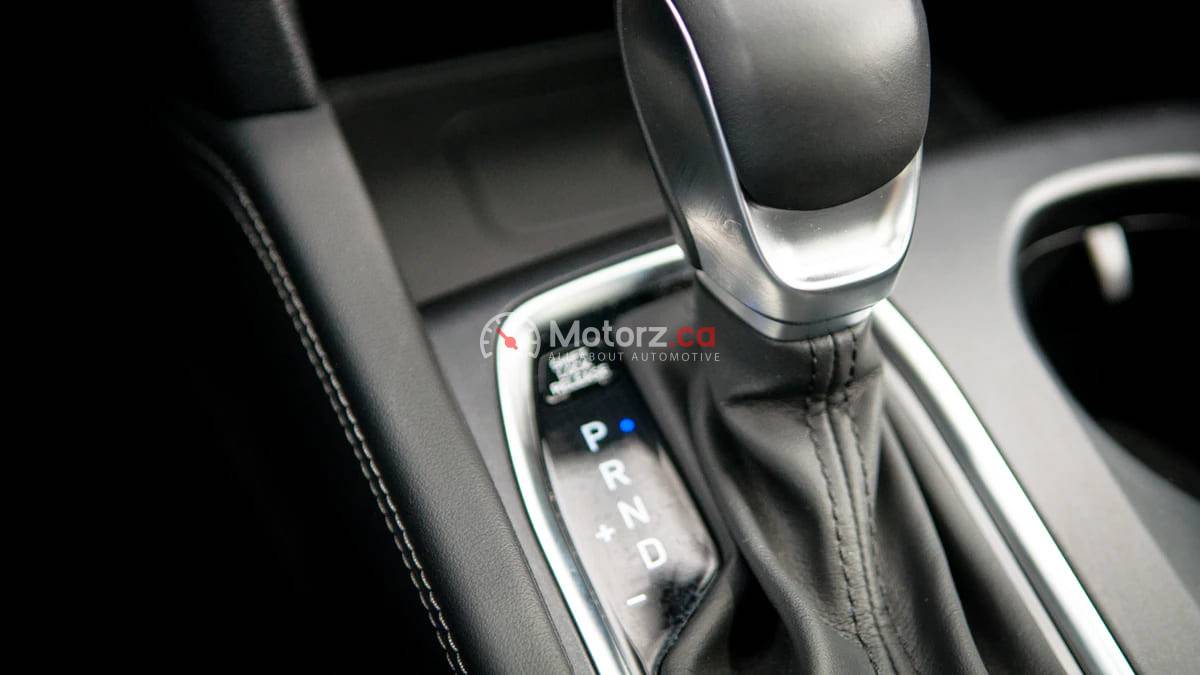
There is a Transmission Repairs of sinking feeling that only a driver knows. You are accelerating onto the highway, and instead of a smooth transition into the next gear, you feel a violent shudder. Or perhaps you shift from Park to Drive, and there is a three-second delay before the car engages with a disheartening “clunk.” In the world of automotive repair, the transmission is often viewed as a mysterious, expensive black box.
Outside of the engine itself, the transmission is the most complex component of your vehicle. It is responsible for taking the raw power from your motor and converting it into the torque that actually moves your wheels. When it fails, the repair bills can easily climb into the thousands.
But here is the good news: most transmission troubles are preventable. As we navigate the road in 2026, where specialized transmissions like CVTs (Continuously Variable Transmissions) and Dual-Clutch Transmissions (DCTs) are becoming the norm, a little bit of “Corner Wrench” knowledge goes a long way. In this guide, we will break down the warning signs of a failing gearbox, the maintenance habits that save you money, and the truth about “lifetime” fluids.
Understanding Your Transmission Repairs:
Before you can fix it, you have to understand what type of transmission you are driving. The automotive landscape has changed significantly in the last decade, and different gearboxes have different needs.
The Traditional Automatic
This is the classic hydraulic transmission. It uses a torque converter and a series of planetary gear sets to change speeds. It is generally robust but relies heavily on the cooling and lubricating properties of Transmission Fluid (ATF).
The Continuously Variable Transmission (CVT)
Common in modern fuel-efficient cars, a CVT doesn’t have “gears” in the traditional sense. It uses a belt and pulley system to provide an infinite range of ratios. CVTs are incredibly sensitive to heat and require specialized fluid changes more frequently than traditional automatics.
The Dual-Clutch Transmission (DCT)
Often found in performance vehicles, a DCT is essentially two manual transmissions working together, controlled by a computer. These provide lightning-fast shifts but can be “jerky” in stop-and-go traffic, which can lead to premature wear if not driven correctly.
Five Red Flags: Is Your Transmission Trying to Tell You Something?
Transmission failure rarely happens overnight. Usually, your car will whisper (or shout) its distress long before it leaves you stranded.
Slipping Between Gears
If your engine revs up but the car doesn’t speed up, or if the vehicle suddenly pops out of gear while driving, your transmission is “slipping.” This is often caused by low fluid levels or worn-out friction plates inside the unit.
Rough or Delayed Shifting
A healthy transmission should engage almost instantly. If you experience a “hard” shift that feels like someone hit the back of your car with a mallet, or a long pause before the car moves forward, your transmission’s internal pressure is likely off.
Strange Noises: Whining, Clunking, or Humming
A manual transmission that is failing will often make a loud grinding sound. Automatics, on the other hand, tend to produce a high-pitched whine or a rhythmic humming. These sounds often indicate a failing bearing or a clogged internal filter.
The Smell of Burning Toast
Transmission fluid should have a sweet, slightly tart smell and a bright red color. If you pull the dipstick and it smells like burnt toast or looks like dark coffee, the fluid has overheated and is no longer protecting the metal components.
Fluid Leaks in the Driveway
Transmission fluid is almost always bright red or pink. If you see a puddle of red liquid under the middle of your car, you have a leak. Because transmissions are closed systems, even a small leak can lead to catastrophic failure in a short amount of time.
The Myth of “Lifetime” Transmission Fluid
If you look at the owner’s manual of many new cars in 2026, you might see the phrase “Lifetime Fluid.” In the “Corner Wrench” world, this is a dangerous marketing term.
What “Lifetime” Actually Means
To a manufacturer, the “lifetime” of a vehicle is often considered to be about 160,000 kilometers (100,000 miles) or the end of the warranty period. If you plan to keep your car longer than that, you cannot leave the original fluid in there.
The Reality of Fluid Breakdown
Transmission fluid is a sophisticated cocktail of lubricants, detergents, and conditioners. Over time, the heat from daily driving breaks down these chemicals. Tiny metal shavings from normal wear also begin to float in the fluid, acting like liquid sandpaper on the internal seals.
Pro Tip: For most vehicles, a transmission fluid exchange every 60,000 to 80,000 kilometers is the cheapest insurance policy you can buy.
How to Save Your Gearbox: 3 Maintenance Habits
You don’t need to be a mechanic to extend the life of your transmission. Small changes in how you drive and maintain your car make a massive difference.
Stop Completely Before Shifting
This is the most common cause of premature transmission wear. Many drivers shift from Reverse to Drive while the car is still rolling backward. This forces the transmission’s internal components to act as brakes, which they are not designed to do. Always come to a full, dead stop before changing gears.
Use Your Parking Brake
When you park on an incline and just put the car in “Park,” the entire weight of the vehicle is held by a tiny metal pin called a parking pawl. This puts immense stress on the transmission. Instead, stop the car, engage the parking brake, and then shift into Park.
Keep the Cooling System Healthy
Transmission fluid is often cooled by a heat exchanger inside your car’s radiator. If your engine is running hot, your transmission is running hot. Maintaining your coolant levels and ensuring your radiator is clear of debris is essential for transmission health.
The “Flush” vs. “Drain and Fill” Debate
When you take your car in for service, you might be offered a “Transmission Flush.” It is important to know the difference before you agree.
Transmission Flush: A machine is used to force new fluid through the system, pushing out the old fluid. While effective for some, in older cars with high mileage, this high-pressure process can sometimes dislodge debris that then clogs small internal passages.
Drain and Fill: This is a more gentle approach. The technician drains the fluid that is in the pan, replaces the filter, and refills it. While it only replaces about 50 to 60 percent of the total fluid (the rest stays in the torque converter), doing this regularly is often safer for high-mileage gearboxes.
A Smooth Road Ahead
Transmission repairs don’t have to be a foregone conclusion. By recognizing the early signs of slipping or delayed shifting, ignoring the “lifetime fluid” trap, and practicing good shifting habits, you can keep your vehicle on the road for hundreds of thousands of kilometers.
The transmission is the heart of your car’s drivability. Treat it with respect, keep the fluid clean, and it will keep you shifting smoothly through all the gears of life.