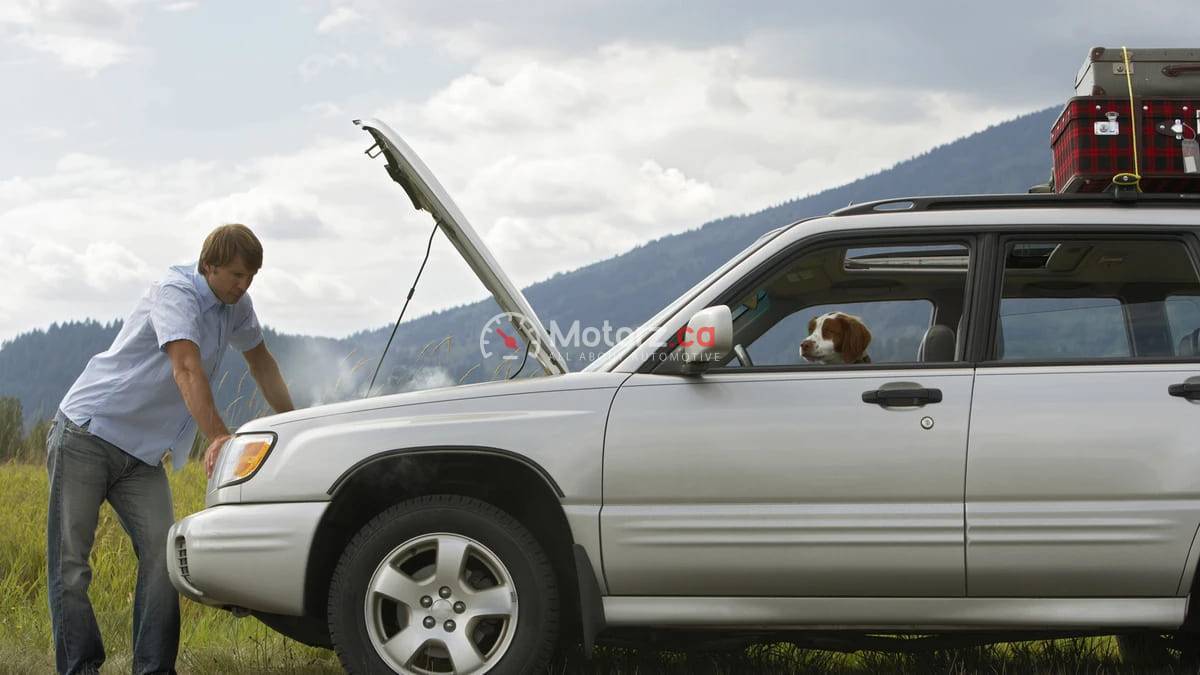
It is one of the most stressful experiences a Car Keep Stalling can face: you are sitting at a busy intersection, the light turns green, and as you press the accelerator, your engine simply dies. Or worse, you are cruising at highway speeds when the power steering gets heavy, the dashboard lights up like a Christmas tree, and your car begins to lose momentum.
When a car stalls, it is essentially the engine’s way of saying it has lost one of its three vital “ingredients”: air, fuel, or spark. In the automotive world of 2026, where vehicles are governed by complex sensors and electronic control modules, identifying the culprit requires a bit of detective work.
In this “Corner Wrench” guide, we will break down the primary reasons your car is stalling, from simple maintenance oversights to complex sensor failures. Whether you are driving an older high-mileage sedan or a modern direct-injected SUV, this roadmap will help you diagnose the problem and get back on the road safely.
Fuel System Issues: The Most Car Keep Stalling
If your engine isn’t getting enough fuel, it cannot maintain the combustion process necessary to stay running. This is often the first place a mechanic looks when a car stalls under load.
A Clogged Fuel Filter
Over time, sediment and contaminants from gas station tanks can settle in your fuel filter. If the filter is partially blocked, the engine might idle fine but stall the moment you demand more power. In many modern cars, the fuel filter is located inside the gas tank as part of the pump assembly, making “preventative” replacement less common—but no less important if you frequently run your tank near empty.
Failing Fuel Pump
The fuel pump is responsible for sending gasoline from the tank to the engine at a specific pressure. If the pump is overheating or wearing out, it may sporadically stop working, causing the car to stall. A classic sign of a failing pump is a car that stalls after driving for 20 minutes but starts up again once it has cooled down.
Dirty or Clogged Fuel Injectors
Modern engines rely on fuel injectors to spray a precise mist of gasoline into the cylinders. If these injectors are clogged with carbon deposits, the “spray pattern” becomes a “drip,” which doesn’t burn efficiently. This leads to rough idling and frequent stalling, especially when the engine is cold.
Airflow and Intake Problems
An engine is essentially a giant air pump. If that pump cannot breathe, it will choke and die.
The Idle Air Control (IAC) Valve
When your foot is off the gas pedal, the IAC valve is responsible for managing the engine’s idle speed. If this valve is stuck or clogged with carbon, your car will start and run fine as long as you are pressing the gas, but it will stall the moment you come to a stop at a red light.
Vacuum Leaks
Your engine uses vacuum pressure to manage everything from braking assistance to fuel pressure regulation. A cracked rubber hose or a leaking intake manifold gasket allows “unmetered” air into the engine, leaning out the fuel mixture. If the leak is large enough, the computer cannot compensate, and the engine will stall.
A Filthy Air Filter
While it rarely causes a sudden stall on its own, an extremely clogged air filter can restrict airflow to the point where the engine “suffers” under acceleration. If you haven’t changed your air filter in 30,000 kilometers, your engine is likely working much harder than it needs to.
Sensor Failures: When the Brain Gets Confused
In 2026, your car’s Engine Control Unit (ECU) relies on a constant stream of data from various sensors to keep the engine running. If one of these sensors sends a “zero” signal, the computer may shut down the engine to prevent damage.
Mass Air Flow (MAF) Sensor
The MAF sensor measures the volume of air entering the engine. If it gets dirty (often from over-oiled aftermarket air filters), it sends incorrect data to the ECU. This can cause the car to stall suddenly while driving or during gear shifts.
Crankshaft Position Sensor
This is perhaps the most common “sudden stall” sensor. It tells the computer exactly where the engine’s pistons are so it knows when to fire the spark plugs. If this sensor fails, the computer loses “timing,” and the engine will shut off instantly as if someone turned the key.
Engine Coolant Temperature Sensor
If this sensor fails and tells the computer the engine is “freezing” when it is actually at operating temperature, the computer will flood the engine with too much fuel (running “rich”), which can cause it to stall at idle.
Electrical and Ignition System Faults
Without a strong spark, the air and fuel in your cylinders are just a useless mixture.
Weak Battery or Failing Alternator
While a battery is primarily for starting, a failing alternator can cause a car to stall while driving. If the alternator isn’t producing enough voltage to keep the spark plugs firing and the computers running, the car will eventually drain the battery and die. A “Battery” light on the dashboard is a major warning sign.
Worn Spark Plugs and Ignition Coils
If your spark plugs are “fouled” (covered in oil or carbon) or your ignition coils are cracking, the engine will misfire. A severe misfire under load can cause the engine to stumble and stall, especially in rainy or humid conditions where moisture can interfere with the electrical current.
Transmission and Clutch Issues
Sometimes, the stalling isn’t an engine problem at all—it’s a problem with how the engine is connected to the wheels.
Torque Converter Solenoid (Automatic)
In an automatic transmission, the torque converter acts like a fluid clutch. If the lock-up solenoid fails, it might keep the engine “locked” to the transmission even when you come to a stop. This is the equivalent of stopping a manual car without pressing the clutch—the engine will be forced to stall.
Driver Error or Clutch Wear (Manual)
For those still shifting their own gears in 2026, a stalling car is often the result of a “stiff” clutch or a release bearing that is binding. If the clutch doesn’t fully disengage, the engine will stall every time you stop in gear.
Don’t Ignore the Stutter
A stalling car is more than an annoyance; it is a significant safety risk. Whether it’s a simple fix like cleaning a sensor or a more involved repair like a fuel pump replacement, addressing the issue early prevents the “Corner Wrench” nightmare of being stranded on a dark highway.
If your car stalls once, it might be a fluke of bad gasoline. If it stalls twice, your car is trying to tell you something. Listen to the warning signs, check your filters, and keep your sensors clean to ensure a smooth, stall-free ride.