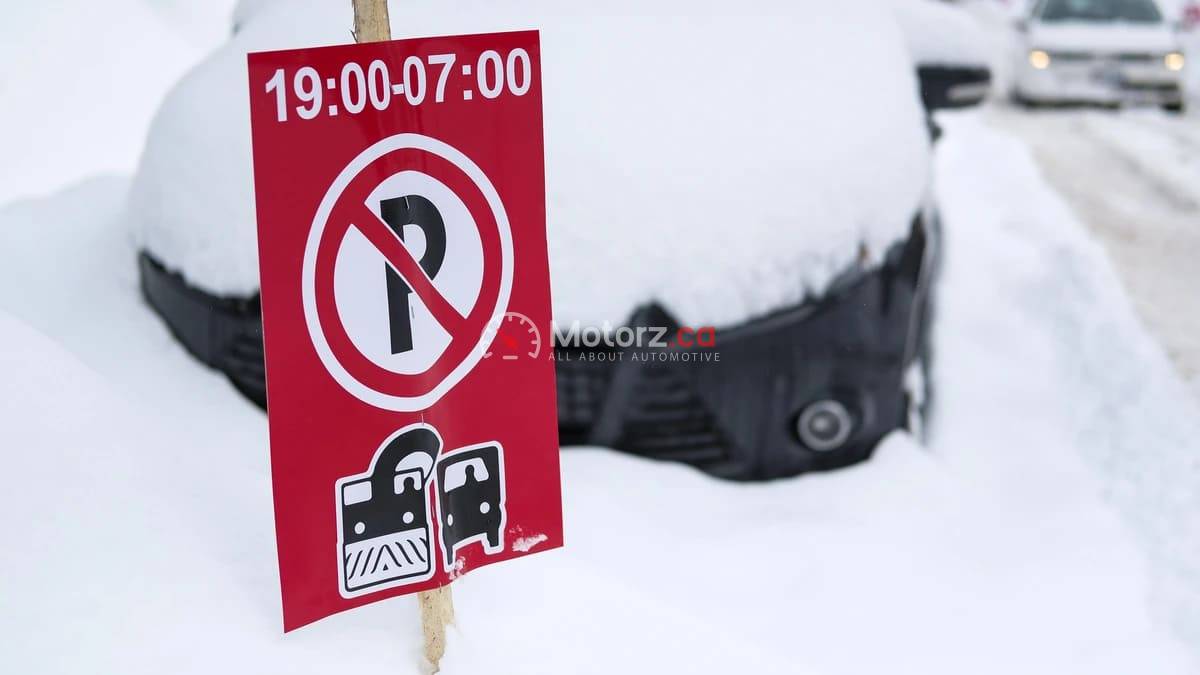
The Canadian Cars in Winter is a relentless adversary for any vehicle. As the temperature drops and the salt trucks begin their rounds, our cars enter a season of extreme stress. Most of us think we are doing the right thing to keep our vehicles running smoothly, but some of our most common winter habits are actually causing hidden, long-term damage. From idling in the driveway to neglecting the undercarriage, we are often our own car’s worst enemy when the snow flies.
In the world of “The Corner Wrench,” we see the same avoidable repairs every spring. We see engines with premature wear, body panels eaten away by corrosion, and electrical systems fried by improper jumping techniques. In 2026, as vehicles become more technically advanced, the “old school” ways of handling the cold are doing more harm than good.
Today, Motorz is breaking down the three absolute worst things you can do to your car this winter. We are going to look at the science behind why these habits are so destructive and give you the modern, expert-backed alternatives that will keep your car healthy until the spring thaw.
Excessive Idling: The Cars in Winter
It is the ultimate winter comfort: starting your car from the Cars in Winter window and letting it run for twenty minutes while you finish your coffee. You step into a toasty cabin with clear windows and a warm engine. It feels like the responsible thing to do, but for a modern fuel-injected engine, excessive idling is a slow-motion mechanical disaster.
The Problem of “Wash-Down”
When an engine idles in extreme cold, it runs “rich,” meaning it injects extra fuel into the cylinders to keep the combustion process stable. Because the engine isn’t under load, it takes a long time to reach its ideal operating temperature. During this long warm-up, that extra unburned gasoline can wash away the lubricating oil from the cylinder walls. This “wash-down” leads to increased friction and premature wear on your piston rings and cylinder sleeves.
Diluting Your Oil
Excess fuel that doesn’t burn off during a long idle can leak past the rings and mix with the oil in the crankcase. This is called fuel dilution. It thins out your oil, reducing its ability to protect vital engine components. At “The Corner Wrench,” we’ve seen oil that smells strongly of gasoline after a single winter of excessive idling.
The Modern Solution
Most 2026 vehicles only need about 30 seconds to a minute of idling to ensure oil is circulating. The fastest and safest way to warm up the engine, the transmission, and the wheel bearings is to drive the car gently. By moving the vehicle, the engine is placed under a light load, allowing it to reach operating temperature significantly faster than it would sitting in the driveway.
The “Salt Trap”: Parking in a Heated Garage
It sounds like a luxury—pulling your salt-covered car into a warm, 20-unit garage to protect it from the overnight freeze. However, Lorraine Explains that if your car is covered in road salt and slush, a heated garage is actually the worst place it can be.
The Chemistry of Corrosion
Rust is a chemical reaction that requires three things: iron, oxygen, and moisture. Road salt (sodium chloride) acts as an accelerator, making the reaction happen much faster. However, there is a fourth factor: heat. Chemical reactions, including oxidation, speed up as the temperature rises.
The “Thaw and Rot” Cycle
When your car is outside in the freezing cold, the salt is relatively dormant. It is stuck in a frozen “crust” that isn’t very active. When you pull that car into a heated garage, the ice and snow melt into liquid water, which carries the dissolved salt into every hidden crevice of your frame and body panels. In the warmth of the garage, that salty water starts eating your metal at double or triple the speed it would in the cold.
The Modern Solution
If you cannot wash the salt off your car before parking, it is actually better for the metal to stay cold. If you must use a heated garage, ensure your car is treated with an annual oil-based undercoating (like Krown or Rust Check). These oils displace moisture and create a barrier that prevents the salt-water from touching the bare metal, even when the temperature rises.
Using Boiling Water to Clear the Glass
We have all been there. You are running ten minutes late, and the windshield is covered in a thick, stubborn sheet of ice. You don’t have time to wait for the defroster, so you grab a kettle of hot water from the kitchen and pour it over the glass. The ice disappears instantly, but you are playing a high-stakes game of “glass roulette.”
Thermal Shock and Shatter
Windshields are made of laminated glass—two layers of glass bonded by a thin layer of plastic. Glass expands when it gets hot and contracts when it gets cold. When you pour boiling water onto a frozen windshield, the outer layer of glass expands at a violent, rapid rate while the inner layer stays cold. This creates immense internal stress that can cause the glass to shatter or a tiny, invisible rock chip to turn into a massive crack across your entire field of vision.
Damaging the Seals and Paint
It isn’t just the glass at risk. Boiling water can damage the rubber seals around the windshield and the plastic trim pieces at the base of the cowl. Furthermore, if you have a modern ceramic coating or wax on your paint, the extreme heat can “shock” the finish, leading to premature degradation of the protective layer.
The Modern Solution
Use a high-quality ice scraper and a dedicated de-icer spray. You can make your own de-icer by mixing two parts rubbing alcohol with one part water. This solution has a much lower freezing point than water and will melt the ice quickly without the risk of thermal shock. As a “Corner Wrench” pro tip: use your sun visors! Flipping them down while the defroster is running traps the warm air against the glass, clearing it up to 30 percent faster.
A Smarter Way to Winter
Your car works hard for you during the winter, and it deserves better than these destructive habits. To keep your vehicle in top shape this season:
Don’t over-idle: Drive gently after a minute to warm up the whole vehicle.
Be salt-aware: Wash the undercarriage frequently and avoid “thawing out” a salty car in a warm garage.
Respect the glass: Avoid hot water and stick to de-icer sprays and proper scrapers.
At Motorz, we believe that good maintenance is about more than just changing the oil; it is about changing our habits to match the needs of our machines. By avoiding these three winter “sins,” you will extend the life of your car and save yourself from expensive repairs when the flowers start to bloom.