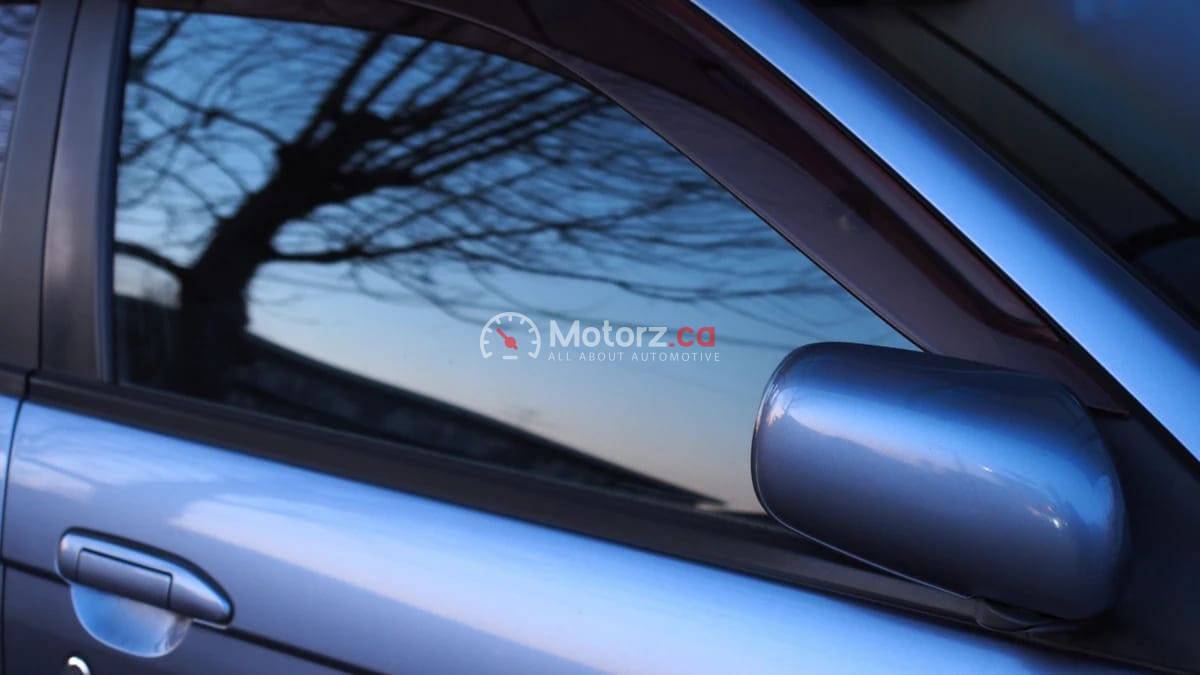
We have all experienced that specific frustration: a beautiful rainy day where you want just a crack of fresh air, but the moment you lower the window, a stream of water cascades directly onto your armrest and power window switches. Or perhaps you have returned to your car after a long afternoon in the sun to find the interior temperature feels like the surface of a distant star.
In the automotive world, side window visors—also known as vent shades, window deflectors, or rain guards—are one of those accessories that people often overlook until they see them on a well-kept truck or SUV. They are a staple of the “Corner Wrench” philosophy: a relatively low-cost, high-utility upgrade that changes how you interact with your vehicle every single day.
But as vehicle designs become sleeker and more aerodynamic in 2026, are these plastic add-ons still a smart investment? From improving cabin air quality to the hidden impact on your fuel economy, we are breaking down everything you need to know before you peel back the adhesive tape.
The Side Window Visors: What Do Window Visors Actually Do?
At first glance, a window visor looks like a simple piece of tinted acrylic. However, its aerodynamic shape serves several functional purposes that go far beyond aesthetics.
The Weather Shield
The primary job of a window visor is to act as a gutter for your roof. By extending slightly outward over the window opening, it deflects rain, snow, and sleet away from the cabin. This allows you to keep your windows cracked open about two inches during a storm, providing much-needed ventilation without getting your interior soaked.
Heat Management and Stealth Ventilation
During the peak of summer, an enclosed car acts like a greenhouse. By having visors installed, you can leave your windows cracked open while parked in a public lot. The visor hides the gap from prying eyes, maintaining your vehicle’s security while allowing hot air to escape. This can lower the peak interior temperature by as much as 15 to 20 percent, making it much easier for your AC to cool the car down once you start your commute.
Types of Window Visors: In-Channel vs. Tape-On
Not all visors are created equal. When you are browsing the Motorz catalog or your local parts shop, you will generally find two distinct mounting styles.
Tape-On (External) Visors
These are the most common and generally the easiest to install. They use automotive-grade double-sided tape (usually 3M) to adhere directly to the door frame above the window.
Pros: They don’t interfere with the window glass at all and often provide a larger “coverage” area.
Cons: Some drivers find the look a bit “bulky,” and if the adhesive fails over time, they can rattle or fly off at highway speeds.
In-Channel Visors
These visors tuck directly into the window channel where the glass usually sits. They stay in place through a combination of tension and thin adhesive strips.
Pros: They offer a much sleeker, low-profile “factory” look. Since they sit inside the channel, there is no tape visible on the outside of your car.
Cons: They can occasionally interfere with “auto-up” window sensors if not installed perfectly. They also put a tiny bit of extra pressure on the window motor, though modern 2026 motors are usually robust enough to handle it.
The Impact on Aerodynamics and Noise
In the era of quiet Electric Vehicles (EVs) and high-efficiency hybrids, aerodynamics are a hot topic. Any accessory you add to the exterior of your car will change how air moves around it.
Wind Noise and Buffeting
One of the most annoying sensations in a modern car is “wind buffeting”—that deep, rhythmic thumping sound you hear when you open one rear window at high speeds. Quality window visors are shaped to reduce this effect by smoothing out the transition of air as it passes the window gap.
Does it Kill Your Gas Mileage?
This is a common question at the Corner Wrench. While adding a visor does technically increase the frontal area of the car, the impact on fuel economy is negligible for most drivers. In fact, by allowing you to use your AC less frequently during mild weather, you might actually see a slight net gain in efficiency over the course of a summer.
Aesthetic Appeal: Form Meets Function
For many owners of trucks, vans, and rugged SUVs, window visors are a finishing touch. They add a bit of visual “weight” to the top of the vehicle and can complement other black-out or “chrome-delete” packages.
Tint Matching
Most visors come in a dark smoke or charcoal tint. This often matches the factory rear privacy glass found on most SUVs, creating a cohesive, “tucked-in” look that makes the greenhouse of the car appear more unified.
Material Durability in 2026
Modern visors are typically made from reinforced acrylic or polycarbonate. Unlike the cheap plastics of the past, these materials are UV-stabilized, meaning they won’t turn brittle or chalky gray after a few years in the Canadian sun. They are designed to withstand car washes and the occasional stray branch on a backroad trail.
Is it a Worthy Investment for You?
To decide if you should pull the trigger on a set of visors, consider your typical driving environment.
The Commuter: If you spend hours in your car, the ability to have fresh air without the roar of wind noise is a massive quality-of-life upgrade.
The Smoker or Vaper: Visors are almost essential for keeping the cabin clear of smoke or vapor without letting rain in.
The Outdoor Enthusiast: If you often find yourself changing clothes in your car or camping in the back of your SUV, the “stealth ventilation” provided by visors is a game-changer for reducing condensation on the windows overnight.
A Small Price for Major Comfort
At the end of the day, side window visors are one of the most cost-effective upgrades you can buy. They solve the “wet armrest” problem, keep your car cooler in the summer, and add a rugged, finished look to your vehicle. Whether you choose the sleek in-channel style or the easy-to-install tape-on version, it is a “Corner Wrench” approved modification that pays dividends in daily comfort.