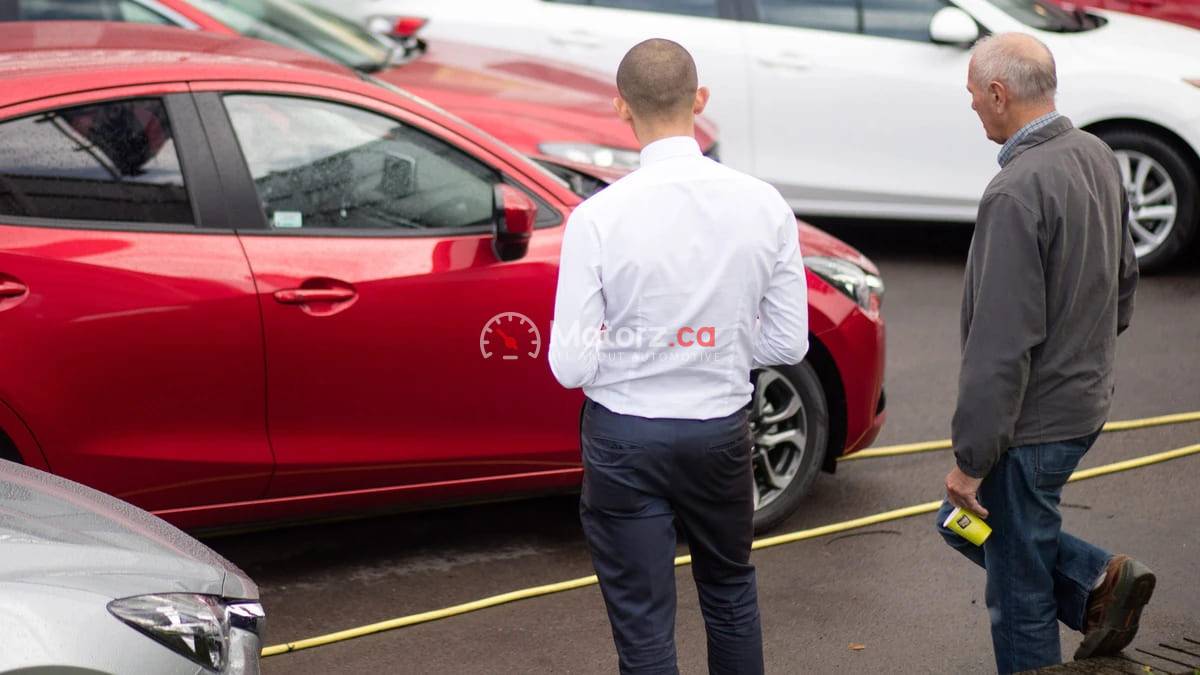
The day you drive a shiny new Avoid Costly Penalties and Fees off the lot on a lease is filled with excitement. You have the latest technology, a full warranty, and that intoxicating new-car smell. But as the 36 or 48 months draw to a close, that excitement often turns into anxiety. For many drivers, the lease return process feels like walking into a trap. You worry about being “nickeled and dimed” for every tiny scratch, every extra kilometer on the odometer, and the state of your tires.
In the world of “The Corner Wrench,” we see many lease-return vehicles come through our doors for last-minute repairs. Most drivers don’t realize that a little bit of proactive maintenance can save them thousands of units in “excess wear and tear” charges. In 2026, with vehicle values fluctuating and leasing companies tightening their inspection standards, being prepared is your best defense against unexpected end-of-lease penalties.
At Motorz, we want you to hand back your keys with confidence. Today, Lorraine Explains the strategic steps you should take 90 days before your lease expires. From understanding “normal” vs. “excessive” damage to navigating the mileage math, here is your comprehensive guide to a penalty-free lease return.
Understanding the Avoid Costly Penalties and Fees Standards
Every leasing company has a set of guidelines often called “Wear and Use” standards. The biggest mistake most lessees make is assuming these standards are subjective. They aren’t. Most companies provide a physical or digital “evaluator” tool—essentially a small ruler or card—that tells you exactly how large a scratch or dent can be before it becomes a chargeable offense.
What is Considered Normal Wear?
Generally, anything that can be buffed out or is smaller than the size of a credit card is considered “normal.” This includes tiny stone chips on the hood or very light scuffs on the interior door panels. Leasing companies expect the car to look used, just not abused.
Identifying Excessive Damage
Excessive damage typically includes:
Scratches that go through the paint and can be felt with a fingernail.
Dents larger than 5 centimeters in diameter.
Windshield cracks or “stars” in the driver’s line of sight.
Tears, permanent stains, or burn holes in the upholstery.
Substandard previous repairs (the “backyard” paint job).
The Pre-Inspection Strategy: Your Secret Weapon
Do not wait for the “official” inspection to find out what is wrong with your car. Most leasing companies offer a complimentary pre-inspection 60 to 90 days before the lease ends.
Why You Need a Pre-Inspection
This inspection is a “no-risk” evaluation. The inspector will give you a detailed report listing every item that will result in a fee if the car is returned “as-is.” This gives you a window of time to address these issues on your own terms. Often, having a small dent fixed by a paintless dent repair specialist will cost you 100 units, whereas the leasing company might charge you 400 units for that same dent at return.
Taking Control of the Repairs
If the pre-inspection identifies worn tires or a cracked windshield, you can shop around for the best price. You are not obligated to use the dealership’s service department for these repairs, provided the parts used meet the manufacturer’s specifications.
The Tire Trap: Don’t Get Caught with Bald Rubber
Tires are one of the most frequent sources of lease-return penalties. Most lease contracts require that the tires have at least 3.2 millimeters (4/32 of an inch) of tread depth remaining at the time of return.
Matching the Set
A common “little” mistake that leads to a big penalty is returning a car with mismatched tires. If you had to replace one tire due to a flat, and it doesn’t match the brand or speed rating of the other three, the leasing company may charge you for a full set of new tires.
The Fix: If your tires are close to the limit, buy a set of decent mid-range tires yourself. It is almost always cheaper than paying the “replacement fee” dictated by the leasing company, which often uses premium OEM pricing.
Check for Sidewall Damage
Even if your tread is deep, any “bubbles” or gouges in the sidewall will result in an immediate replacement charge. These are safety hazards that an inspector will never overlook.
Maintenance Records and Missing Equipment
When you return a lease, you are expected to return a “complete” vehicle. This includes all the bits and pieces that came with it on day one.
The Missing Items Checklist
Search your house for these items before the turn-in date:
The Second Key: Modern “smart” keys can cost 300 to 600 units to replace. If you only return one key, you will be billed for the missing one.
The Cargo Cover: If your SUV came with a retractable trunk cover, make sure it is back in the car.
Floor Mats: Even if you used rubber mats to protect the carpet, the original carpet mats must be in the vehicle.
Owner’s Manual: Believe it or not, some companies charge for a missing manual.
Proof of Service
While you don’t necessarily need to provide a binder of every car wash, you should have proof that the vehicle was maintained according to the manufacturer’s schedule. If the engine fails shortly after return because you never changed the oil, the leasing company could potentially hold you liable for mechanical neglect.
Navigating the Odometer: Handling Over-Mileage Fees
Mileage is the most black-and-white part of a lease contract. If your limit was 48,000 kilometers and you return it with 50,000, you will pay for those 2,000 kilometers.
Calculating the Cost
In 2026, most over-mileage fees range from 10 to 25 cents per kilometer. A 2,000-kilometer overage could cost you 500 units. If you know you are going to be significantly over, check your contract for a “mid-lease” mileage purchase option. Some companies allow you to buy extra kilometers at a discounted rate before the lease ends.
The “Buyout” Alternative
If your vehicle has significant body damage and is way over on mileage, the total penalties might be higher than the car’s actual value. In this case, it might be smarter to exercise your “Purchase Option.” You can buy the car at the residual price stated in your contract and then sell it privately or trade it in, potentially avoiding the “return” penalties entirely.
The Final Detail: Cleanliness Counts
You don’t need a 500-unit professional detail, but a clean car sends a message to the inspector. An inspector who sees a filthy, trash-filled interior is more likely to look closer for “hidden” damage.
Odor Removal
If you are a smoker or have pets, ensure the car smells neutral. Lingering odors can be classified as “excessive wear,” leading to a professional sanitation fee. A deep steam clean of the upholstery is a small price to pay to avoid a massive interior reconditioning charge.
Your Penalty-Free Return Checklist
At Motorz, we believe the end of a lease should be the start of your next adventure, not a financial headache. Use this summary to stay organized.
Get a Pre-Inspection: Schedule this 60 days before your end date.
Review your Wear and Use guide: Use the “credit card rule” for scratches and dents.
Check tread depth: Ensure you have at least 3.2 millimeters on all tires.
Find the second key: It is the most expensive “little” item to lose.
Clear the glass: Fix any chips or stars in the windshield through your insurance before return.
Compare the buyout: If penalties are high, buying the car might be the better financial move.
By being proactive and handling small repairs at “The Corner Wrench” or your local specialist, you keep control of your money and ensure a smooth transition to your next vehicle.