In the world of Car Fluid Maintenance, few topics spark as much debate as. You have likely sat in a service center waiting room and heard a service advisor suggest a transmission flush or a cooling system exchange. At that moment, a common question pops into every driver’s head: Is this a critical piece of preventative maintenance, or is it just an unnecessary upsell?
Your vehicle relies on a complex network of fluids to lubricate, cool, and clean its internal components. Over time, these fluids break down, lose their chemical effectiveness, and become contaminated with metal shavings, moisture, and debris. While some fluids can last for years, others are the lifeblood of your car and require regular attention to prevent catastrophic—and expensive—failures.
At Motorz, we want you to be an informed owner who knows exactly what your car needs. Today, Lorraine Explains the “To Flush or Not to Flush” dilemma. We will break down which fluids are worth the investment, which ones you can safely leave alone, and how to spot the signs that your vehicle is thirsty for a change.
The Car Fluid Maintenance: Flush vs. Drain and Fill
The transmission is perhaps the most misunderstood component when it comes to fluid maintenance. It is a high-heat environment where fluid acts as both a lubricant and a hydraulic fluid to change gears.
The Problem with “Lifetime” Fluids
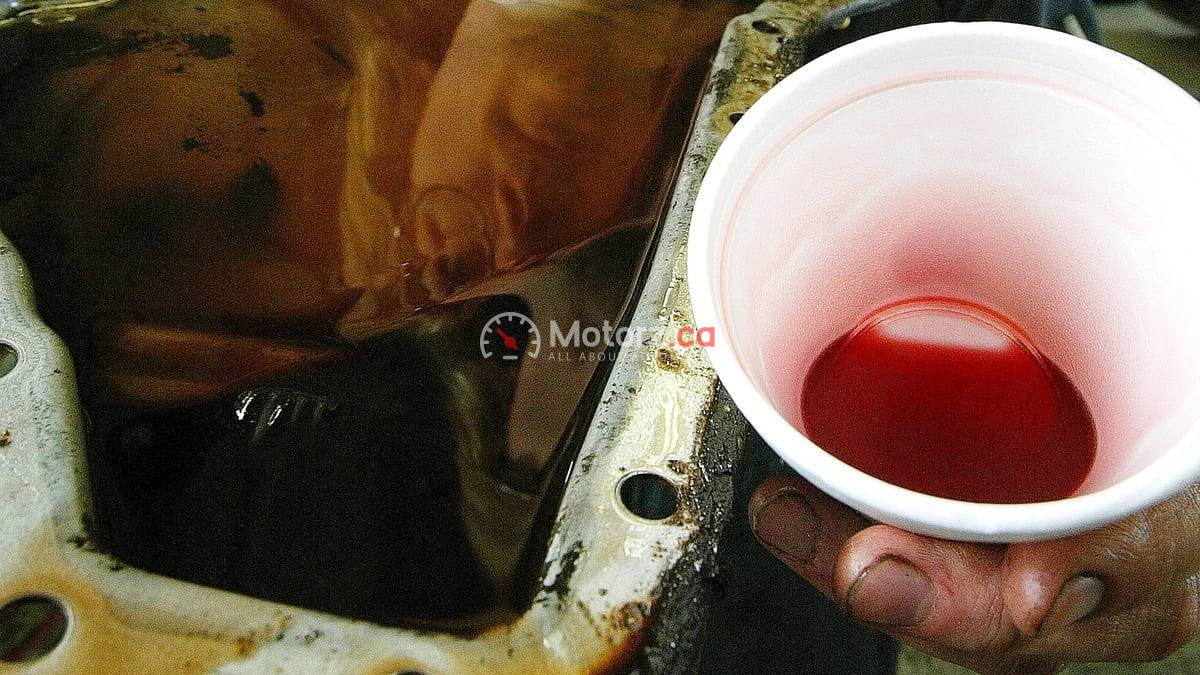
Many modern manufacturers claim their transmissions are “sealed for life.” However, in the repair shop, we often see these “lifetime” fluids looking like burnt coffee after 100,000 kilometers. In 2026, as transmissions become more complex with 8, 9, or 10 speeds, the fluid works harder than ever.
Flush vs. Drain and Fill
A flush uses a machine to push out nearly 100 percent of the old fluid and replace it with new. A drain and fill only replaces the fluid in the pan (usually about 40 to 50 percent).
The Verdict: If you have maintained your automotive maintenance, a flush is great. However, if you have a high-mileage car that has never had a fluid change, a full flush can sometimes dislodge sludge that clogs the internal valves. In that case, a gentle “drain and fill” is the safer bet.
The Cooling System: Preventing a Summer Meltdown
Your engine’s cooling system is filled with a mixture of water and antifreeze (coolant). This fluid has a difficult job: it must prevent the engine from freezing in a Canadian winter and from boiling over in a summer heatwave.
Why a Flush is Necessary
Coolant contains rust inhibitors that prevent the internal metal parts of your engine from corroding. Over time, these inhibitors “fall out” of the liquid, and the coolant becomes acidic. This acid eats away at your water pump, radiator, and heater core.
The Sign: Open your coolant reservoir (when the engine is cool!). If the fluid is bright orange, green, or blue, you are likely fine. If it looks brown, murky, or has “bits” floating in it, you need a professional flush immediately.
Brake Fluid: The Forgotten Safety Feature
Brake fluid is one of the most neglected fluids in the automotive world, yet it is arguably the most important for your safety.
The Moisture Magnet
Brake fluid is hygroscopic, meaning it actively absorbs moisture from the air. Even in a sealed system, moisture eventually finds its way in. Why does this matter? Water boils at a much lower temperature than brake fluid. During heavy braking, the heat can cause that moisture to boil and turn into gas. Gas is compressible, while liquid is not.
The Result: This is what causes a “spongy” brake pedal or, in extreme cases, total brake failure during a mountain descent.
The Verdict: Most experts recommend a brake fluid flush every two to three years, regardless of mileage, to keep your stopping power consistent.
Power Steering Fluid: Protecting the Rack
If your car uses a traditional hydraulic power steering system (rather than the newer fully electric systems), it relies on a specialized oil to help you turn the wheels.
Avoiding the “Whine”
As power steering fluid ages, it loses its ability to protect the seals in your steering rack and pump. When the fluid gets dirty, the pump has to work harder, often resulting in a loud “whining” noise when you turn the steering wheel.
The Verdict: While not as critical as oil or brakes, a power steering flush every 100,000 kilometers can prevent a 1,500-unit steering rack replacement later in the car’s life.
Differential and Transfer Case Fluids
For drivers with All-Wheel Drive (AWD) or 4×4 vehicles, there are “gear boxes” under the car that help distribute power to the wheels. These use a very thick, heavy-duty gear oil.
The Heavy Lifters
These fluids deal with immense pressure and friction. Because these components are located under the car, they are often exposed to water and mud. If you drive through deep puddles or go off-roading, water can enter through the vent tubes and contaminate the oil.
The Verdict: Check these every 50,000 to 75,000 kilometers. Fresh gear oil is much cheaper than replacing a rear differential.
Fuel System Cleaning: Is it a “Flush”?
You may see offers for a “Fuel Induction Service” or “Fuel Injector Flush.” This involves running a highly concentrated cleaner through the engine’s intake and fuel rail.
Carbon Buildup in 2026
Modern Direct Injection (GDI) engines are prone to carbon buildup on the intake valves because fuel is sprayed directly into the cylinder and doesn’t “wash” the valves. Over time, this buildup causes rough idling and poor fuel economy.
The Verdict: This is not a “scam.” A professional fuel system cleaning every 50,000 kilometers can restore lost power and prevent the need for a manual “walnut blasting” of the valves later on.
The “Flush” Priority List
At Motorz, we want you to spend your maintenance budget where it matters most. Here is our priority ranking for car fluid replacements:
Engine Oil: (Always replace, never “flush” unless there is a sludge problem).
Brake Fluid: Replace every 2-3 years for safety.
Coolant: Flush every 5 years to protect the radiator and pump.
Transmission Fluid: Drain and fill or flush every 60,000 to 100,000 kilometers.
Differential Fluid: Essential for AWD and 4×4 owners.
Power Steering: Lower priority, but good for long-term component life.
The key is to follow your owner’s manual first, but keep an eye on the condition of the fluids. If it looks dirty or smells burnt, it isn’t doing its job. Regular fluid maintenance at “The Corner Wrench” is the cheapest insurance policy you can buy for your car.