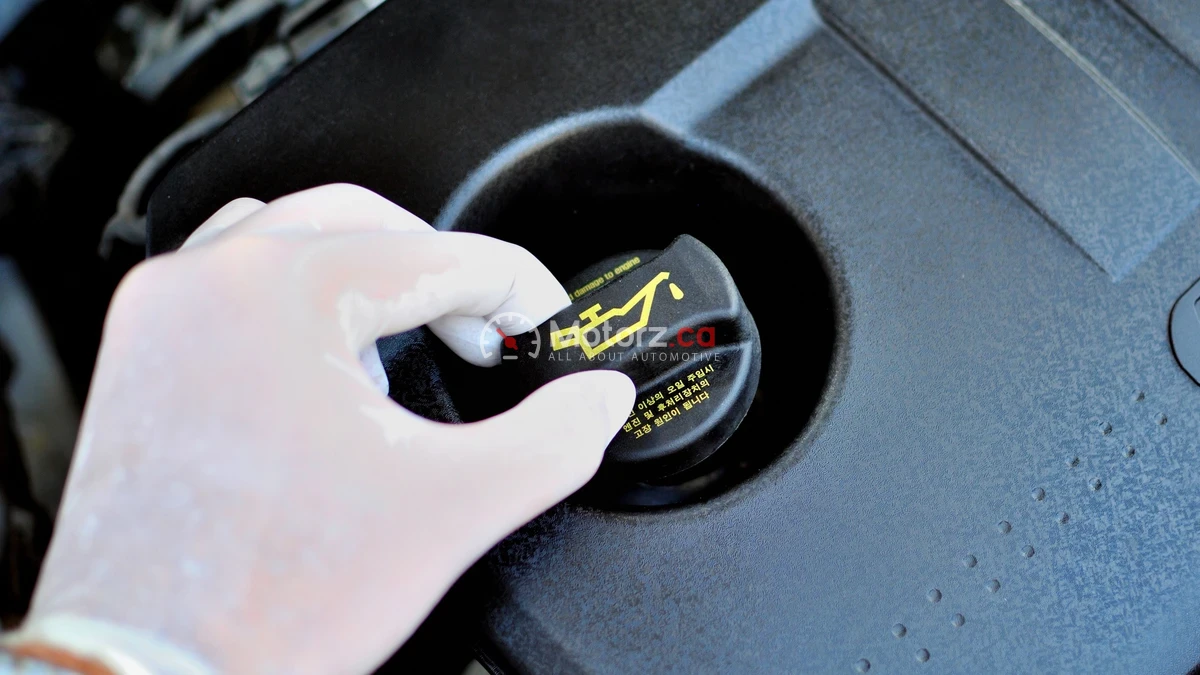
There was a time when you could open the hood of a Modern Vehicle and know exactly what you were looking at. If it was heavy and silver, it was steel or aluminum. If it was black and flexible, it was rubber. If it looked like a toy, it was plastic—and usually only found on the radio knobs or the dashboard. But walk into a service bay at “The Corner Wrench” in 2026, and those old rules have been completely rewritten.
Today, automakers are using advanced polymers and composite materials in places that would have seemed impossible a decade ago. We now see plastic oil pans, composite intake manifolds, and even structural carbon-fiber reinforced components. At the same time, some “plastic” looking trim pieces are actually ultra-lightweight magnesium or aluminum alloys disguised for aesthetics.
Making an assumption about what a part is made of isn’t just a matter of curiosity; it is a matter of safety and maintenance. Using a metal-specific cleaner on a polymer, or applying too much torque to a composite housing, can lead to catastrophic failure. At Motorz, we want you to see your car for what it really is. Today, Lorraine Explains why the “plastic-ification” of cars is actually a good thing, the dangers of assuming a part’s material, and how to treat these modern components so they last a lifetime.
Why Automakers Are Replacing Metal Modern Vehicle
The shift away from traditional metals isn’t just about saving money. In fact, many of the high-tech polymers used in 2026 vehicles are more expensive to manufacture than basic stamped steel. The transition is driven by three main factors: weight, heat management, and design flexibility.
The War on Weight
Every gram matters in the era of fuel efficiency and Electric Vehicle (EV) range. By replacing a heavy cast-iron intake manifold with a reinforced glass-fiber nylon version, engineers can shave off several kilograms. In the world of EVs, reducing weight is the most effective way to increase driving range without adding more expensive batteries.
Thermal Management
Metals are excellent conductors of heat, which isn’t always a good thing. In a modern engine, you want to keep the incoming air as cool as possible. A plastic intake manifold acts as an insulator, keeping the engine’s heat away from the air going into the cylinders. This results in better combustion and more power.
Complex Geometry
Metal parts often have to be cast or forged, which limits their shape. Plastics can be injection-molded into incredibly complex, “organic” shapes. This allows engineers to combine multiple parts into a single unit, reducing the number of gaskets and bolts—and therefore reducing the number of places where a leak can occur.
The Danger of Assumptions: Common “Mistaken Identity” Parts
In the Corner Wrench shop, we’ve seen plenty of DIYers get into trouble because they assumed a part was metal when it was actually a polymer, or vice versa. Here are the most common culprits.
Oil Pans and Valve Covers
For nearly a century, oil pans were made of stamped steel or cast aluminum. Today, many vehicles from brands like Ford, Volkswagen, and BMW use high-strength plastic oil pans.
The Risk: If you use a traditional metal-tipped floor jack on a plastic oil pan without a protective block, you will crack it instantly. Similarly, plastic valve covers require a very specific, low torque setting. Over-tightening a bolt on a plastic cover won’t just strip the thread; it will snap the entire housing.
Cooling System Components
Radiator tanks and thermostat housings used to be brass or aluminum. Now, they are almost exclusively “glass-reinforced nylon.”
The Risk: These parts become brittle over time due to constant heat cycles. What looks like a sturdy metal pipe might actually be a fragile plastic piece that will crumble if you try to pry a stuck hose off with a screwdriver.
Structural “Plastic”
Some modern cars use “Structural Composites” in their frames or bumper supports. These look like black plastic but are actually stronger than steel by weight.
The Risk: You cannot weld or “dent pull” these materials. If they are damaged in a collision, they must be replaced entirely. Assuming they can be repaired like old-school metal bodywork can lead to a vehicle that is no longer safe in a crash.
Maintenance Tips for the “Plastic Era”
How you care for your car depends entirely on knowing what it is made of. If you treat modern polymers like they are indestructible steel, you are asking for trouble.
Use the Right Chemicals
Many heavy-duty degreasers and brake cleaners are “chlorinated.” These chemicals are fine for metal, but they can eat through certain plastics or cause them to become “cloudy” and brittle. Always look for “Plastic Safe” or “Non-Chlorinated” cleaners when working under the hood.
The Torque Wrench is Mandatory
In the old days, “hand-tight” was often good enough for a metal valve cover. With plastic components, there is zero margin for error. You must use a torque wrench calibrated in Newton-meters or Inch-pounds. A plastic water pump housing might only require 10 Newton-meters of force. Applying 15 could cause a hairline fracture that doesn’t leak now, but will burst when you are two hours away from home on a highway.
UV Protection
While under-hood plastics are designed for heat, they aren’t always great with UV light. If you have a car with a lot of exposed engine plastics, keeping the hood closed and the car out of the direct sun when possible helps prevent the “fading” and “chalking” that eventually leads to cracks.
The Future: Smart Materials and 3D Printing
As we look toward the late 2020s, the line between plastic and metal is blurring even further.
3D Printed Metals
We are now seeing parts that look like plastic because of their intricate, web-like designs, but they are actually 3D printed out of titanium or aluminum. these “lattice” structures provide incredible strength with almost no weight.
Self-Healing Polymers
Researchers are working on “self-healing” plastics for interior trim and under-hood covers. These materials can “flow” back into small scratches or cracks when heat is applied, extending the life of the vehicle and keeping it looking new for longer.
Know Your Materials
The “Is it plastic or metal?” question is becoming the most important part of a pre-repair inspection. Before you pick up a tool, do the following:
The Tap Test: Gently tap the part with a plastic screwdriver handle. Metal has a distinct “ring,” while composites have a dull “thud.”
Check the Manual: Your service manual will explicitly state if a part has a specific torque sequence or if it requires specialized tools.
Look for Markings: Most plastic car parts have a recycling code (like PA66 for Nylon) stamped somewhere on them. If you see a code, it’s a polymer.
Respect the Age: Remember that plastic parts “age” differently than metal. Metal rusts; plastic gets brittle. Both require a different approach to removal.
At Motorz, we embrace the innovation that modern materials bring to the road. Your car is lighter, faster, and more efficient because of these composites. By losing the assumptions and treating each material with the respect it deserves, you’ll keep your vehicle running smoothly well into the future.