Every car owner eventually faces the “crossroads of repair.” You are standing at the service counter, and the technician presents you with two options for a failing component: we can try to fix the individual part, or we can swap the entire unit for a brand-new one. It is a decision that involves balancing your current budget against your vehicle’s future reliability.
In the world of Vehicle Maintenance we see this dilemma daily. Whether it is a failing alternator, a leaky radiator, or a temperamental infotainment screen, the “fix it or forget it” debate is more complex than ever. In 2026, with the rising costs of specialized labor and the increasing complexity of modular automotive parts, the “cheaper” option isn’t always the one that saves you money in the long run.
At Motorz, we believe that transparency is the key to a healthy relationship with your car. Today, Lorraine Explains the mechanical and financial pros and cons of repairing versus replacing defective parts. We will look at when “patching it up” makes sense, when a total replacement is the only safe move, and how to calculate the true “value” of your repair.
The Case for Repairing: When “Fixing” Wins
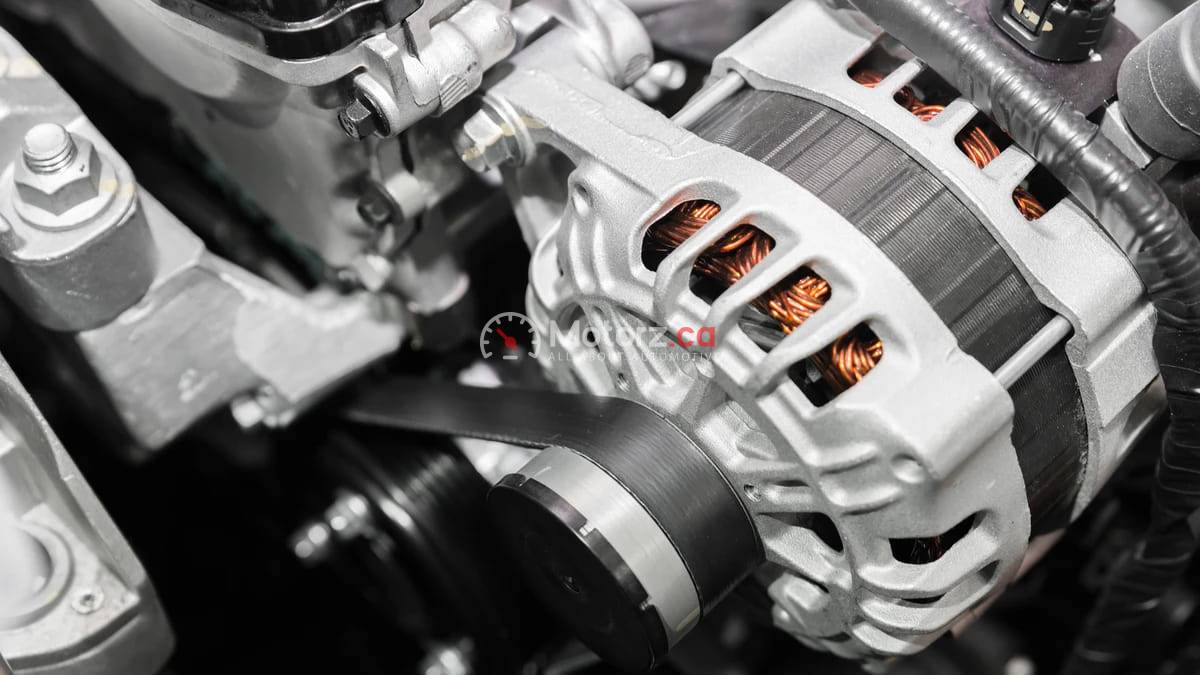
Repairing a part involves identifying the specific failure within a component and replacing only that sub-part. For example, instead of replacing a whole alternator, a technician might just replace the worn-out brushes or the voltage regulator.
The Cost Advantage
The most obvious “pro” of repairing is the lower cost of Vehicle Maintenance. Buying a 20 seal is much more attractive than buying a 400 steering rack. For older vehicles where the total market value of the car is declining, repairing individual components can help you keep the car on the road without “over-investing” in a vehicle you plan to sell soon.
Environmental Impact
In a world focused on sustainability, repairing is the ultimate form of recycling. Every time we repair a component, we prevent several kilograms of metal, plastic, and electronic waste from heading to a landfill. It also reduces the energy consumption required to manufacture and ship a brand-new replacement part.
Preserving Originality
For classic car enthusiasts or owners of rare models, the “original” part may be of higher quality than modern aftermarket replacements. In these cases, rebuilding the original component ensures that the car maintains its factory-correct fit and finish, which can be vital for the vehicle’s long-term resale value.
The Case for Replacing: Why “New” Is Often Better
Replacing a part involves removing the defective unit and installing a factory-fresh or remanufactured assembly. While more expensive upfront, this approach offers several long-term benefits.
The Labor Logic
Modern automotive labor rates are a major factor in the repair vs. replace debate. If a mechanic spends four hours of labor at 150 per hour to “rebuild” a part that costs 300 to replace, you have actually spent more money on the repair. Most shops today lean toward replacement because the “plug-and-play” nature of modern parts is much faster and more predictable for the customer’s bill.
Warranty and Peace of Mind
When you repair a part, the warranty usually only covers the specific sub-component that was fixed. If the rest of the old part fails a month later, you are back at square one. A new replacement part typically comes with a 12-month or 20,000-kilometer warranty (or better) covering the entire unit. This “peace of mind” is often worth the extra initial investment.
System Longevity
Many car parts wear out at a similar rate. If your water pump is leaking because the bearings are shot, the internal seals are likely close to failing as well. Replacing the entire pump ensures that all internal components have a “zero-mile” starting point, preventing a “domino effect” of small repairs over the coming months.
Critical Systems: When You Should Never Just “Repair”
There are certain areas of a vehicle where the risks of a failed repair are simply too high. In these categories, The Corner Wrench almost always recommends a full replacement.
Braking Systems
While you can “resurface” brake rotors, thin or warped rotors should always be replaced. Similarly, a leaking brake caliper is often better replaced than rebuilt. Because your safety depends on these components, the margin for error is zero.
Electronic Control Modules (ECUs)
Modern cars are rolling computers. While there are specialized shops that can “re-solder” circuit boards, most dealership technicians will insist on a full module replacement. Automotive electronics are exposed to extreme vibrations and temperature swings; a “repaired” board often fails again due to “cold solder joints” that weren’t caught the first time.
Cooling System Plastics
As we discussed in previous Motorz guides, modern cooling systems use high-strength plastics. Once a plastic radiator tank or thermostat housing develops a hairline crack, “epoxy” repairs are essentially useless. The pressure of the cooling system will eventually blow the repair apart, potentially leading to a destroyed engine from overheating.
The Middle Ground: Remanufactured Parts
If you are looking for the best of both worlds, “Remanufactured” (or “Reman”) parts are an excellent option. These are old parts that have been sent back to a factory, completely disassembled, cleaned, and rebuilt with all-new internal “wear” components.
Quality Control
A remanufactured part is tested to the same standards as a brand-new part. Companies like Bosch or Denso often take “cores” (old parts) and upgrade them with better-than-original components to address known factory defects.
Cost Savings
A remanufactured alternator or starter motor typically costs 30 to 50 percent less than a brand-new “New Old Stock” (NOS) part. At “The Corner Wrench,” we often suggest remanufactured parts as the “sweet spot” for customers who want a full warranty without the full “new” price tag.
How to Decide
Before you sign the work order, ask yourself these four questions to decide if you should repair or replace:
What is the labor-to-part ratio? If the labor to fix the part is more than 50 percent of the cost of a new part, choose replacement.
How long do you plan to keep the car? If you are keeping it for five more years, replace it. If you are selling it in six months, a safe repair might be enough.
Is it a safety-critical item? Brakes, steering, and tires should almost always be replaced with new components.
Does the repair come with a warranty? If the shop won’t stand behind the repair for at least six months, it is a sign that the part is better off in the recycling bin.
At Motorz, we know that every unit of currency counts. By understanding the mechanical reality of your car’s components, you can move away from “emergency” thinking and start making strategic decisions that keep your ride reliable and your bank account healthy.