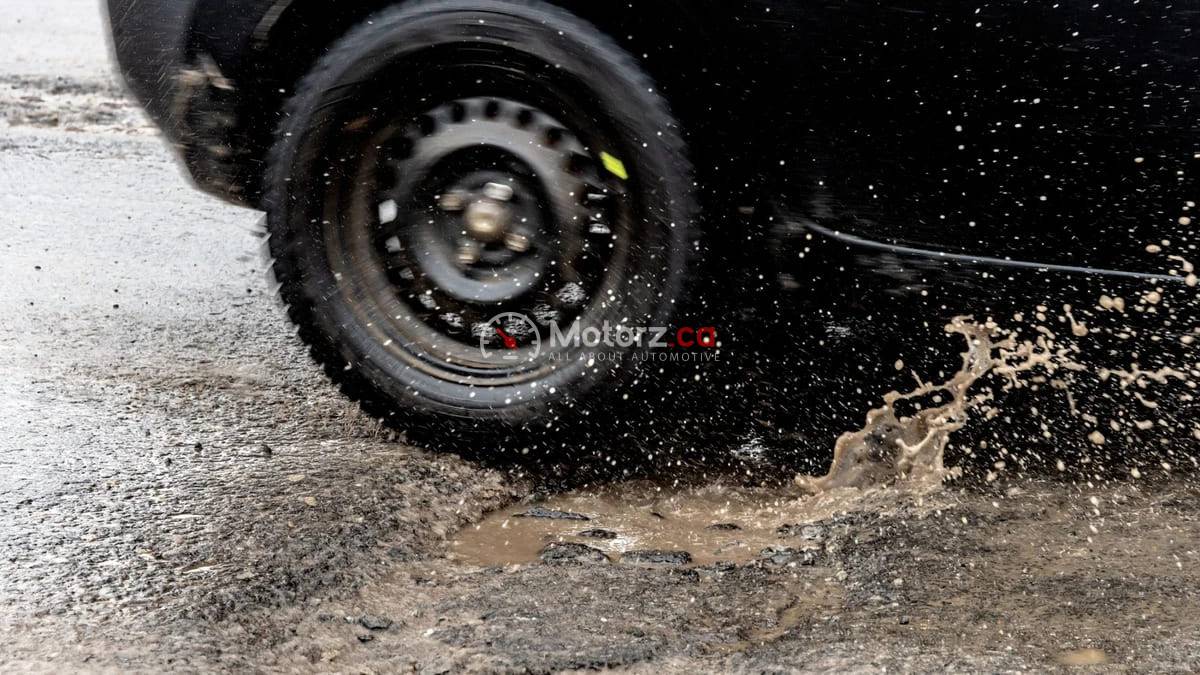
It is a sound every Pothole Problems: that sickening, metal-on-concrete thud followed by a jarring vibration that rattles your teeth. You’ve just hit a pothole. Whether it was hidden under a spring puddle in Toronto or lurking in the shadows of a Montreal side street, the result is the same—an immediate sense of worry about your vehicle’s health.
In the world of “The Corner Wrench,” pothole season is our busiest time of year. Potholes are more than just an inconvenience; they are concentrated points of high-impact stress that can wreak havoc on everything from your tires to your steering rack. In 2026, as infrastructure ages and weather patterns become more extreme, understanding the anatomy of a pothole strike is essential for every car owner.
At Motorz, we want to help you navigate the “crater-filled” reality of modern driving. Today, Lorraine Explains exactly what happens to your suspension when you hit a deep hole, the hidden symptoms of wheel damage, and the step-by-step process for getting your car back to a smooth, safe ride.
The Physics of a Strike: What Happens in a Pothole Problems
When your tire drops into a pothole, the wheel loses support from the road surface. The suspension spring compresses violently as the tire hits the far edge of the hole, and the shock absorber is forced to dissipate a massive amount of energy instantly.
The Tire and Rim Impact
The first line of defense is the tire. If the pothole is deep enough, the tire’s sidewall is “pinched” between the edge of the pothole and your metal rim. This can cause the internal structure of the tire to fail, even if it doesn’t go flat immediately. The rim itself can also take the brunt of the force, leading to bends or cracks that compromise the wheel’s integrity.
Suspension Stress
Once the tire and rim have absorbed all the energy they can, the remaining force travels up into the control arms, ball joints, and tie rods. These components are designed for thousands of tiny vibrations, not one massive blow. A single pothole can bend a steel control arm or snap a stabilizer link, fundamentally changing how your car handles.
Five Signs Your Car Has Pothole Damage
Not all pothole damage is visible from the driver’s seat. Sometimes, the problem doesn’t reveal itself until you are traveling at highway speeds or trying to make a sharp turn.
The Steering Wheel Tug
If you find that your car is constantly “pulling” to the left or right when you are on a flat road, your wheel alignment has been knocked out of spec. This is the most common result of a pothole strike. Even a slight misalignment will cause your tires to wear out prematurely and reduce your fuel efficiency.
Vibrations in the Wheel or Seat
A steering wheel that shakes at 80 km/h is a classic sign of a bent rim or a “lost” wheel weight. When you hit a pothole, the force can literally knock the balancing weights off your rim. If the vibration is felt in the seat of your pants rather than the steering wheel, the damage is likely on one of the rear wheels.
Sidewall Bulges
Inspect your tires closely after a big hit. If you see a small “egg” or bubble protruding from the sidewall, the tire is terminal. This bubble indicates that the inner lining has ruptured, and the air pressure is only being held in by the thin outer layer of rubber. This is a high-risk blowout waiting to happen.
Unusual Noises
A “clunking” sound when you go over speed bumps or a “grinding” noise when you turn suggests that a suspension component or a wheel bearing has been damaged. The Corner Wrench warns that ignoring these sounds can lead to a wheel seizing or a ball joint failing entirely while you are driving.
Low Tire Pressure
Modern cars have Tire Pressure Monitoring Systems (TPMS) that will alert you if a tire is losing air. A pothole strike can cause a “bead leak,” where the seal between the tire and the rim is slightly broken, leading to a slow but steady loss of pressure.
The Recovery Plan: What to Do After the Thud
If you’ve just had a major impact, don’t just keep driving and hope for the best. Follow this professional protocol to minimize the damage and the cost.
Safety First: Pull Over
If the car feels unstable or the steering wheel is crooked, pull over to a safe location as soon as possible. Check for visible damage like a flat tire or a bent rim. If the car is vibrating excessively, do not continue to your destination—call for a tow.
Take Photos and Note the Location
In many cities and provinces, you can actually file a claim for reimbursement if a pothole damages your car. To do this, you need evidence. Take a photo of the pothole (only if it is safe to do so) and the damage to your car. Note the nearest intersection or GPS coordinates.
The Professional Inspection
Take your vehicle to a trusted shop for a “suspension and alignment check.” A technician will put the car on a lift to look for bent components that aren’t visible from the outside. In 2026, many shops use laser-guided alignment systems that can detect bends as small as a millimeter.
Preventing Future Damage: The “Corner Wrench” Strategy
While you can’t always avoid potholes, you can change how you interact with them to save your car from a trip to the mechanic.
The Brake-and-Release Method
If you see a pothole at the last second and realize you can’t swerve around it, brake hard before you reach the hole, but release the brakes right before impact. When you brake, the front of the car dives, compressing the suspension and leaving no “travel” left to absorb the hole. By releasing the brake, you allow the suspension to be “loose” and ready to soak up the hit.
Maintain Proper Tire Pressure
A properly inflated tire provides a cushion of air that protects the rim. Under-inflated tires are much more likely to suffer “pinch flats” or allow the rim to hit the concrete edge of the pothole directly. Check your pressure at least once a month during the spring thaw.
Increase Following Distance
The most common reason people hit potholes is that they are following the car in front too closely. If you can’t see the pavement in front of the car ahead of you, you won’t have time to react when they suddenly swerve to miss a crater. Give yourself space to see and react.
Navigating Pothole Season with Confidence
Potholes are a reality of driving, but they don’t have to be a financial disaster. By staying alert and knowing the signs of damage, you can protect your vehicle and your wallet.
Listen for the impact: If it sounds bad, it probably is.
Watch for the pull: Alignment is the first thing to go after a strike.
Inspect the sidewalls: Look for bubbles that indicate internal tire failure.
Don’t ignore vibrations: Shaking is a warning that something is bent or unbalanced.
Document everything: Your city might be responsible for the repair bill.
At Motorz, we believe that an informed driver is a safer driver. Potholes are the road’s way of testing your car’s endurance. With the right “Corner Wrench” maintenance and a bit of defensive driving, you can make it through the season with your suspension—and your sanity—intact.