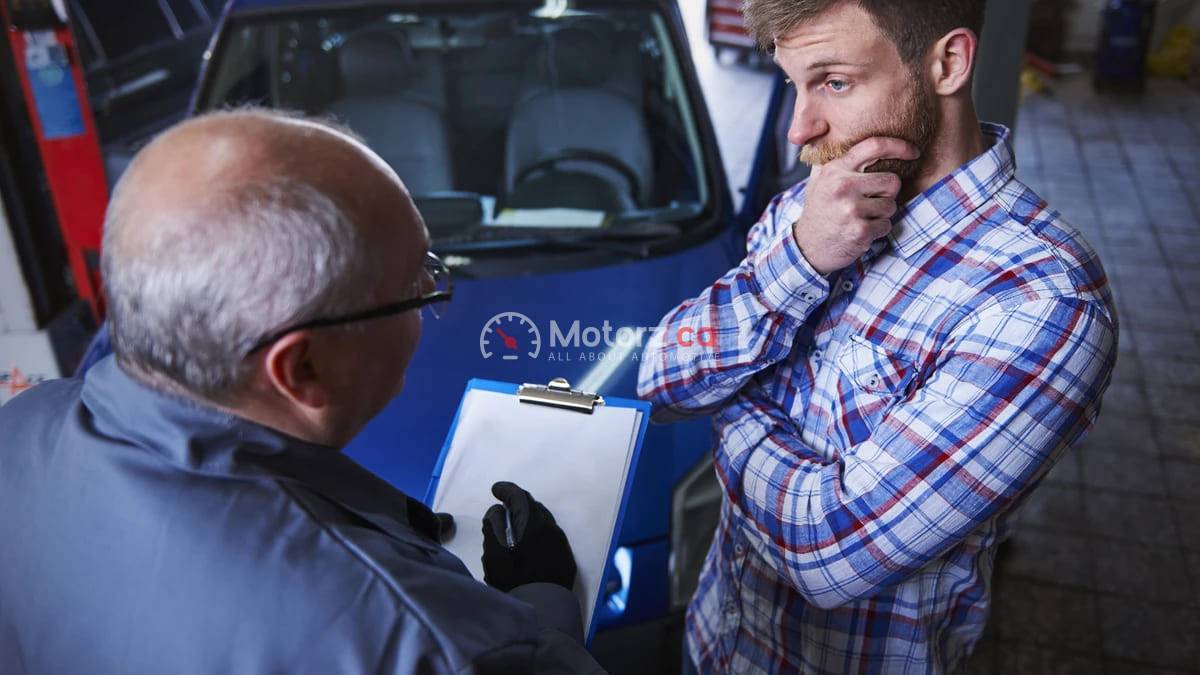
You’ve just signed the Car Warranty Fine Print on a gleaming new vehicle. The salesperson hands you the keys and mentions, with a reassuring smile, that you are “fully covered” for the next five years. It’s a comforting thought—until eighteen months later when a weird rattling sound in the dash or a glitchy infotainment screen leads to a “denied” stamp at the service counter.
In the world of “The Corner Wrench,” we see it every day: frustrated owners who realized too late that “bumper-to-bumper” doesn’t actually cover everything from one bumper to the other. As we move through 2026, car warranties have become more complex, especially with the rise of software-defined vehicles and high-capacity EV batteries.
Understanding your warranty is no longer just about knowing the “years and kilometers.” It’s about navigating a maze of exclusions, maintenance requirements, and digital fine print. If you want to ensure your investment stays protected, it’s time to stop skimming and start reading. Here is the ultimate guide to the fine print you can’t afford to ignore.
The Car Warranty Fine Print: Understanding Your Coverage Layers
Most new cars come with three distinct layers of Car Warranty. Knowing which one applies to your specific problem is the first step in avoiding a surprise bill.
Bumper-to-Bumper
This is the “honeymoon” warranty. It usually lasts 3 years or 60,000 km and covers almost every factory-installed part. However, even here, the fine print excludes “wear items.” In 2026, manufacturers are increasingly strict about what counts as a defect versus “normal use.”
The Reality Check: If your touchscreen fails because of a software bug, you’re covered. If it cracks because you hit it with a phone charger, you are on your own.
Powertrain Warranty
This kicks in after the comprehensive coverage ends, typically lasting 5 years or 100,000 km. It covers the “heavy lifting” parts: the engine, transmission, and drive axles.
The Fine Print Trap: Many owners assume the powertrain covers the entire engine system. It doesn’t. If your water pump or alternator fails four years into ownership, it is likely considered an “ancillary” part and won’t be covered by the powertrain warranty.
The EV/Hybrid Battery Warranty
For 2026 models, the industry standard for batteries is 8 years or 160,000 km. But here is the catch: most warranties only trigger if the battery’s “State of Health” (SOH) drops below 70 percent. If your battery degrades to 72 percent and your range is noticeably shorter, the manufacturer may legally tell you that the battery is “performing as expected.”
Wear and Tear” vs. Defects: The Gray Area
The most common reason for a denied claim is the “Wear and Tear” clause. In 2026, this category has expanded.
Brakes and Tires: These are never covered unless they fail due to a manufacturing defect within the first few thousand kilometers. If you drive through a pothole and pop a tire, that is an insurance claim, not a warranty claim.
Wiper Blades and Bulbs: These are often covered for only the first 12 months or 20,000 km.
Fluid and Filters: Changing your oil, coolant, and cabin filters is your responsibility. If an engine fails because you used the wrong oil or missed an interval, the fine print gives the manufacturer a “get out of jail free” card.
How to Accidentally Void Your Protection
You don’t have to be a “street racer” to void your warranty. Sometimes, simple life choices can trigger a denial.
The “Maintenance Records” Requirement
If you have a major engine failure, the first thing the manufacturer will ask for is your service history. If you do your own oil changes—the “Corner Wrench” way—you must keep every receipt for the oil and filters you bought. Without a paper trail, the manufacturer can claim “improper maintenance” caused the failure.
Software and Telematics
In 2026, your car is a rolling computer. Most warranties now include clauses about “Unauthorized Software Modifications.” If you use a third-party app to “hack” your car’s features (like unlocking extra horsepower or changing lighting sequences), you may void the warranty on the entire electrical system. Furthermore, your car’s telematics system (the black box) records how you drive. If the data shows you were “overloading” or “racing” the vehicle, your claim will be denied.
Environmental Factors
The fine print usually excludes damage from “Environmental Fallout.” This includes bird droppings, tree sap, road salt, and hail. If your paint starts peeling because of acid rain or salt corrosion and you didn’t follow the recommended washing schedule in the manual, the repair won’t be covered.
The 2026 “Right to Repair” Victory
There is some good news in the fine print. New regulations in 2026, particularly in provinces like Quebec (Bill 29), have strengthened consumer rights against “Planned Obsolescence.”
Independent Shops: You are not required to go to the dealership for routine maintenance to keep your warranty valid. As long as the work is done to the manufacturer’s specifications and you keep the records, your warranty remains intact.
Aftermarket Parts: Under laws like the Magnuson-Moss Act (and similar Canadian consumer protections), a dealer cannot deny a warranty claim just because you used an aftermarket air filter or oil. They must prove that the specific aftermarket part caused the failure.
Pro Tips for Navigating a Warranty Claim
Read the “Exclusions” First: Don’t read what is covered; read what isn’t. That is where the surprises live.
The Second Opinion: If one dealer denies your claim, you have the right to take the car to another dealership. Warranty interpretations can vary between service managers.
The “Due Bill”: If you buy an extended warranty, ensure every “verbal promise” from the salesperson is written into the contract. If it isn’t on paper, it doesn’t exist.
Check the “Transferability”: If you sell your car, is the warranty transferable to the new owner? This can significantly increase your resale value on the Motorz market.
Knowledge is Your Best Policy
A car warranty is a contract, not a pinky-promise. While manufacturers are building better cars than ever in 2026, the fine print is designed to protect their bottom line as much as yours. By staying on top of your maintenance, keeping meticulous records, and understanding the difference between “wear” and “defects,” you can ensure that the “fully covered” promise actually means something when you need it most.