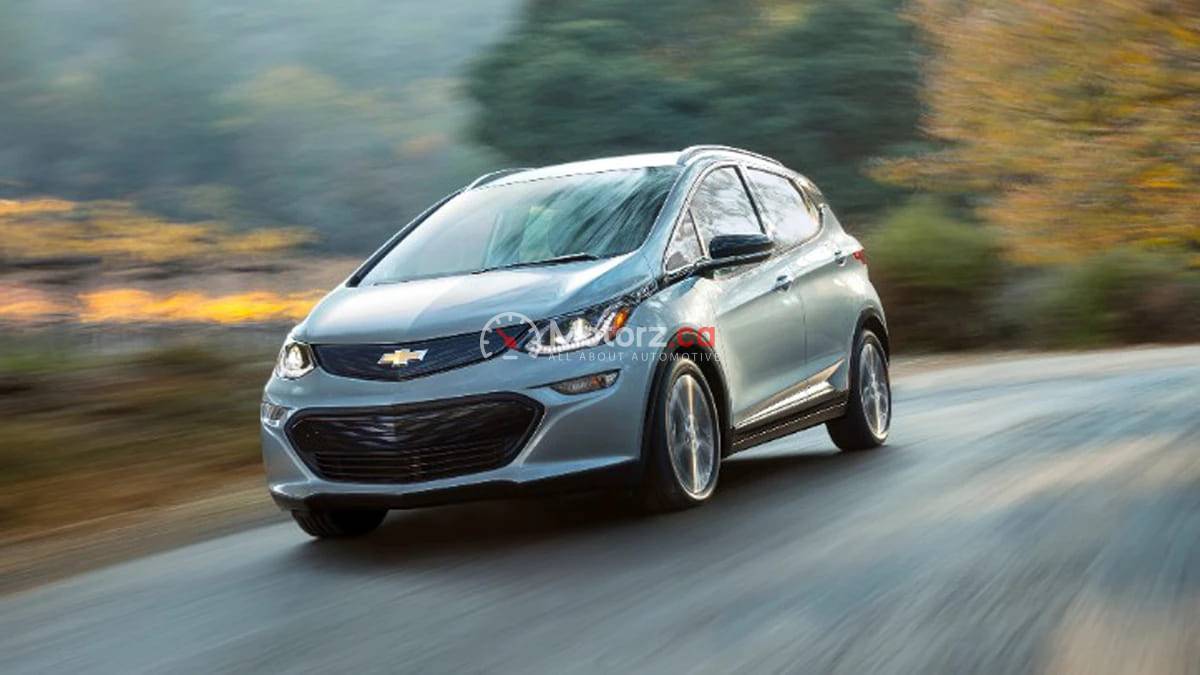
The dream of owning an electric vehicle is rooted in clean Emergency Parking, quiet rides, and cutting-edge technology. However, for thousands of Chevrolet Bolt owners, that dream briefly shifted into a stressful safety ordeal. When General Motors issued an urgent, sweeping safety recall on its flagship electric vehicle, the headlines shook the automotive world. The company did not just ask drivers to bring their cars to a local dealership; they issued an ominous warning: park your vehicle outside, far away from your house, and never leave it charging unsupervised overnight.
If you are an electric vehicle enthusiast, a current Bolt owner, or a shopper browsing the used electric car market, navigating the wave of recall notices, safety alerts, and technical updates can feel overwhelming. This comprehensive guide breaks down everything you need to know about the Chevy Bolt high-voltage battery recall. We will explore what causes these lithium-ion packs to ignite, the temporary rules drivers must follow, and how the permanent repair process works to restore safety and peace of mind.
The Emergency Parking: What Triggered the Chevy Bolt Recall?
The trouble began when reports surfaced of isolated, spontaneous fires breaking out in parked Chevrolet Bolt models. What made these incidents uniquely terrifying was that the fires often occurred while the vehicles were completely turned off, empty, and sometimes sitting inside residential garages.
As federal highway safety electric vehicle opened formal investigations into the incidents, the true scope of the crisis became clear. General Motors, in coordination with its battery manufacturing partner LG Chem, discovered a critical defect hidden deep within the vehicle’s high-voltage propulsion battery pack.
The Two Manufacturing Defects
The root cause of the fire risk is not a design flaw in the electric vehicle itself, but rather a highly specific manufacturing issue during the assembly of the lithium-ion battery cells at certain production facilities. Engineers discovered that affected cells contained two distinct and rare anomalies occurring simultaneously in the exact same cell:
A Torn Anode Tab: A physical rip or defect in the negative electrode component of the battery cell.
A Folded Separator: A microscopic error where the delicate polymer barrier that prevents the positive and negative components from touching becomes folded or misaligned.
When both of these rare flaws exist within a single battery cell, it creates a severe vulnerability. Over time, through repeated charging and discharging cycles, the compromised cell can develop a catastrophic internal short circuit.
Understanding Thermal Runaway
When an internal short circuit occurs in a high-density lithium-ion battery pack, it generates intense localized heat. This heat quickly exceeds the cell’s physical limits, causing it to fail and ignite adjacent cells. This chain reaction is known as thermal run-away.
Once an electric vehicle battery enters thermal runaway, the fire burns with immense intensity, emitting toxic, flammable gases. These blazes are notoriously difficult for emergency responders to extinguish, often requiring thousands of gallons of water to completely cool down the dense module casing located underneath the passenger cabin.
The Scope of Affected Vehicles: Is Your Bolt Covered?
What started as a targeted recall for early-generation models eventually expanded into one of the largest safety campaigns in modern electric vehicle history. General Motors ultimately extended the recall to cover virtually every first-generation Bolt vehicle built.
Even though the larger Bolt EUV model arrived later in the product cycle, it utilized the exact same LG Chem battery architecture and cell composition as its hatchback sibling. Out of an abundance of caution, the automaker swept the entire production run into the safety campaign to guarantee complete consumer protection.
Critical Safety Directives: The “Park Outside” Mandate
While automakers work to manufacture and distribute hardware replacements, owners must adopt strict daily usage restrictions to protect their families, homes, and property from potential structural fires. If your specific vehicle identification number still shows an open, uncompleted battery recall, you must strictly adhere to the following operational mandates.
The Perimeter Parking Rule
The National Highway Traffic Safety Administration urges owners to park their vehicles outside immediately after completing a drive or a charging cycle. Do not park the car inside an attached home garage, a detached garage, or a covered carport.
Furthermore, you should avoid parking close to the exterior walls of your home, deck, or adjacent residential structures. If a battery pack ignites while parked adjacent to a house, the intense thermal energy can easily shatter windows, melt vinyl siding, and ignite structural wood framing, turning a car fire into a devastating residential disaster. Some safety advisories went so far as to suggest keeping a fifty-foot buffer zone from other vehicles when parking in open public lots.
Adjust Your Target Charge Limits
The internal stress within a lithium-ion cell peaks when the battery is packed to its absolute maximum electrical capacity. To minimize this chemical pressure, drivers must adjust their vehicle settings to prevent the pack from reaching a full state of charge.
For 2017 and 2018 Models: Access the vehicle infotainment system and enable the Hilltop Reserve mode. This built-in software feature naturally caps the battery charging process at ninety percent capacity.
For 2019 to 2023 Models: Open the charging menu on your dashboard screen and utilize the Target Charge Level utility to manually restrict maximum charging to ninety percent or lower.
Avoid Deep Depletion
Just as charging to absolute capacity stresses a compromised cell, draining the battery down to an empty state also creates internal chemical strain. Plan your daily commutes carefully so that your remaining driving range does not drop below seventy miles or approximately twenty percent of overall capacity. Keeping the battery operating strictly within the middle zone of its capacity significantly reduces the chances of triggering a thermal short circuit.
Stop Overnight Indoor Charging
Never plug your vehicle into an indoor charger and leave it running while your household is asleep. If a cell failure initiates in the middle of the night inside a closed garage, the occupants of the home may not notice the toxic smoke until the structural escape paths are completely blocked. Always charge your vehicle outside during active daylight hours when you can easily monitor the car.
How General Motors Fixed the Bolt Fire Issue
A crisis of this magnitude cannot be solved with a simple software patch or a quick cosmetic modification. General Motors and LG Chem committed roughly one billion eight hundred million dollars to implement a dual-stage permanent remedy aimed at completely restoring the integrity of the Bolt product line.
High-Voltage Battery Module Replacement
For a massive portion of the recalled fleet, particularly early-run vehicles, the ultimate fix involved a complete physical hardware replacement. Certified dealership technicians drop the entire high-voltage battery assembly from beneath the car. They remove the defective internal lithium-ion modules and install brand-new, factory-certified modules built with optimized manufacturing controls that completely eliminate the cell defects.
Advanced Diagnostic Software Deployment
For later-model vehicles, or as an intermediate safety net, GM engineers developed a sophisticated, cloud-linked Advanced Diagnostic Software system. When a customer brings their Bolt to a dealership, technicians install this specialized tracking code into the vehicle electronic control modules.
Once installed, the software artificially limits the battery’s maximum charge level to eighty percent for a validation period lasting approximately six thousand two hundred miles. During this test window, the software constantly scans the internal voltage, resistance, and temperature profiles of every individual cell group.
If the software detects even a microscopic electrical anomaly, it instantly alerts the driver via a dashboard warning and restricts vehicle performance, signaling that the module must be replaced immediately. If the car completes the mileage window with zero anomalies, the software confirms the pack is structurally sound and automatically restores full one hundred percent charging capability.
What Used Electric Vehicle Shoppers Need to Know
Because the recall impacted the reputation of the first-generation Chevy Bolt, used prices for these vehicles dropped significantly. This makes them highly attractive options for budget-conscious car shoppers. However, purchasing a used Bolt requires diligent verification to ensure you are buying a safe, updated machine.
The VIN Check is Mandatory
Never buy a used electric vehicle based on the seller’s verbal assurances alone. Before signing any paperwork or transferring funds, locate the seventeen-digit Vehicle Identification Number printed on the driver-side dashboard or door jamb.
Visit the official National Highway Traffic Safety Administration recall look-up portal or the General Motors owner center website. Enter the number to verify the exact recall status. You want to see that the high-voltage battery campaign is marked as completed.
Look for the Warranty Bonus
If you find a used Bolt that received a complete physical battery pack replacement during the recall campaign, you are essentially looking at a vehicle with a brand-new heart. General Motors issued a fresh eight-year or one hundred thousand-mile limited warranty on the replacement high-voltage battery modules starting from the exact date of the recall installation. This means an older model could easily have battery warranty coverage extending deep into the decade, making it an incredible value.
Navigating Electric Vehicle Ownership Safely
The Chevy Bolt battery recall served as a major wake-up call for the entire automotive industry, highlighting the complex engineering hurdles that accompany the global shift toward electrification. While the safety warnings were undoubtedly alarming for owners, the systematic execution of the recall demonstrates the strength of modern automotive consumer safety nets.
If you own an affected vehicle, do not minimize the risks or ignore the guidelines. Keep your vehicle parked outdoors, adjust your dashboard charging limits, and schedule an appointment with a certified dealership to receive your final software or hardware upgrade. By taking a proactive approach to safety, you can eliminate the underlying hazards, protect your home, and enjoy the true efficiency and utility of your electric vehicle with total confidence.