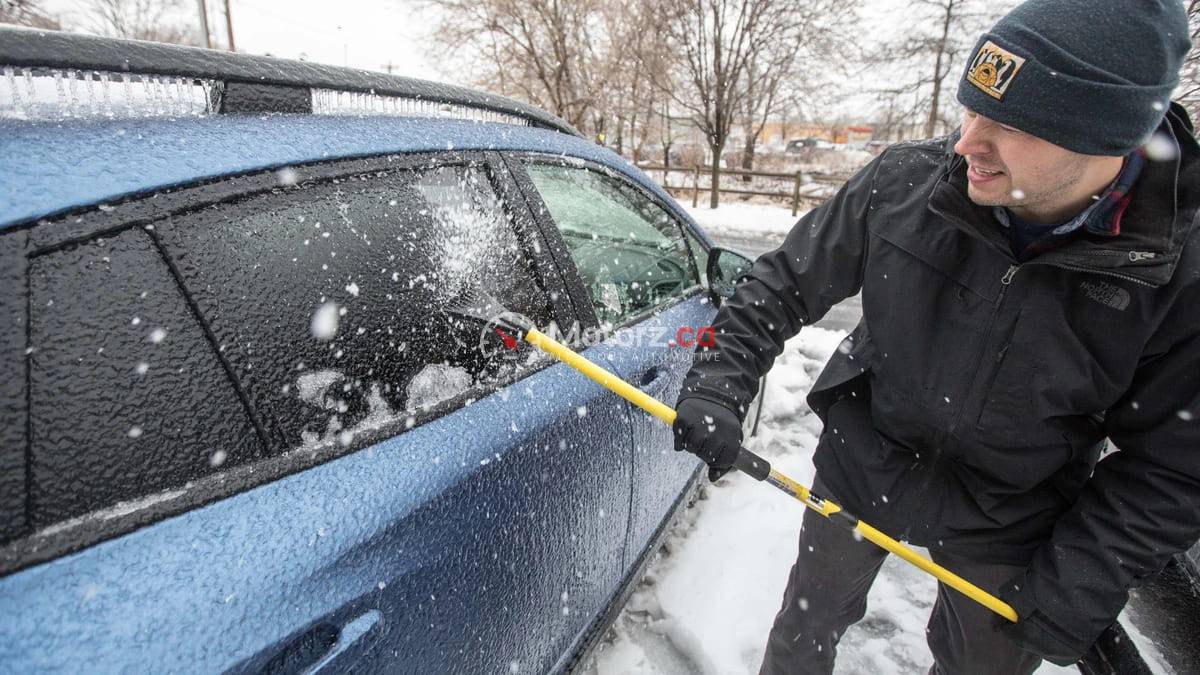
The first major snowfall in Canada is always a beautiful sight, until you have to get behind the wheel. If your hands grip the steering wheel a little tighter when the snow starts to fall, you are far from alone. A comprehensive national survey revealed that nearly half of all Canadian drivers admit to feeling nervous, anxious, or completely unprepared when navigating winter road conditions.
From coast to coast, Canadian winters bring a unpredictable mix of black ice, blinding flurries, and heavy slush. This extreme weather tests even the most experienced motorists. However, winter driving anxiety does not have to keep you trapped indoors.
By understanding the root causes of seasonal road stress and taking control of your vehicle preparation, you can transform your winter commutes from a white-knuckle ordeal into a safe, confident journey. This guide breaks down the data behind Canadian driving fears and offers highly practical, actionable strategies to keep you moving safely all season long.
Understanding the Data: Why Canadians Fear Winter Roads
It is easy to assume that everyone in Winter Driving is born with an innate ability to glide effortlessly through snowstorms. However, data from insurers and automotive associations tells a very different story.
According to seasonal surveys, forty-four percent of Canadian motorists experience significant anxiety about winter driving. When the temperature drops below freezing, the risks on the road multiply. The first major storm of the season consistently causes a dramatic spike in traffic accidents, primarily due to drivers failing to adjust to the sudden change in traction.
The anxiety is not just about personal driving skills. The research highlights that a massive portion of road stress stems from external factors:
The Unpredictability of Other Drivers: Over thirty percent of respondents rate the winter driving skills of their fellow motorists as poor or below average.
Lack of Vehicle Preparedness: Less than half of all drivers admit to carrying a dedicated winter emergency safety kit.
Hesitancy with Safety Gear: While the majority of Canadians switch to specialized seasonal tires, a significant portion still delay the installation until after the first major storm hits.
This combination of unpredictable weather and shared road risk creates a perfect environment for anxiety. Acknowledging that this fear is common is the first step toward overcoming it.
The Core Elements of Winter Vehicle Preparation
Anxiety often feeds on a feeling of vulnerability. One of the absolute best ways to reduce stress before you even turn the key is ensuring your vehicle is physically equipped to handle the harshest elements. When you trust your machine, your mind naturally relaxes.
The Power of Dedicated Winter Tires
There is a common misconception that all-season tires are perfectly fine for a Canadian winter. In reality, regular tire rubber begins to harden and lose its grip once the temperature drops below seven degrees Celsius.
Dedicated winter tires are engineered with a specific rubber compound that remains soft and pliable in freezing temperatures. This flexibility allows the tread to bite into snow and ice, drastically reducing your braking distance. Utilizing tires marked with the three-peak mountain snowflake symbol can mean the difference between stopping safely and sliding helplessly into an intersection.
Checking the Essentials: Brakes, Battery, and Fluids
Cold weather places immense strain on your mechanical components. A battery that functions perfectly well in the summer might completely fail when the temperature drops far below freezing.
Test Your Battery: Have a professional check your vehicle battery capacity before the cold season begins.
Inspect Your Brakes: Ensure your brake pads and rotors are in top condition to handle sudden stops on slippery surfaces.
Top Up Windshield Washer Fluid: Switch to a winter-grade formula that will not freeze on your windshield. Keep a spare jug in your trunk at all times, as road salt grime can instantly blind you if you run out of fluid.
Building a Comprehensive Emergency Road Kit
Knowing you can survive a worst-case scenario is a massive confidence booster. If your vehicle stalls or you slide into a snowbank on a remote road, having the right tools turns a potential disaster into a manageable inconvenience.
Keep these items packed neatly in a plastic bin in your trunk throughout the colder months. Regularly check that the flashlight batteries work and that your snacks have not expired.
Defensive Winter Driving Techniques That Reduce Stress
Preparation handles the physical side of safety, but your behind-the-wheel habits determine how your car behaves on slick surfaces. Implementing specific defensive driving techniques will dramatically lower your anxiety levels.
The Golden Rule: Slow Down and Space Out
High speeds and slippery roads are a recipe for disaster. When driving on snow or ice, you must lower your speed well below the posted limit.
Additionally, you need to increase your following distance. On dry summer pavement, a two-second gap between you and the car ahead is usually sufficient. In the winter, you should increase that gap to at least five or six seconds. This extra buffer gives you plenty of time to react if the vehicle in front of you suddenly spins out or hits a patch of black ice.
Smooth Actions Avoid Skids
Sudden movements upset the balance of your vehicle. Jerking the steering wheel, slamming on the brakes, or stomping on the gas pedal can instantly break the traction between your tires and the road surface.
Instead, practice extreme smoothness. Accelerate gently, steer with gradual, deliberate movements, and begin braking much earlier than you normally would. Imagine you have a cup of hot coffee sitting on your dashboard, and your goal is to drive without spilling a single drop.
How to Correct a Skid Confidently
Nothing triggers panic quite like losing control of your vehicle. If your car begins to slide, the worst thing you can do is slam on the brakes in a panic.
Instead, stay calm and look where you want to go. Take your foot off the accelerator to let the vehicle naturally slow down. Gently steer your front wheels in the exact direction you want the car to travel. If your rear wheels are sliding to the right, gently turn your steering wheel to the right. Modern vehicles are equipped with electronic stability control systems that will help correct the path of the car once you point the front wheels in the right direction.
Managing the Mental Side of Road Anxiety
Sometimes, the fear isn’t mechanical; it is entirely psychological. Managing your mental state is just as critical as maintaining your vehicle.
Change Your Perspective on Time
A primary source of driving stress is the pressure of being late. When you are rushing against the clock, every slow-moving vehicle or snowy hill feels like a direct threat.
Combat this by altering your schedule. If a typical commute takes thirty minutes, give yourself an hour when the weather is poor. By removing the pressure of time, you allow yourself to drive at a safe, comfortable pace without feeling frustrated.
Avoid Distractions and Stay Grounded
When road conditions worsen, your brain needs one hundred percent of its processing power focused on the environment. Turn off the radio, put your mobile phone on “Do Not Disturb” mode, and ask your passengers to keep conversation to a minimum.
If you feel your heart racing or your breathing becoming shallow, take slow, deep breaths. Remind yourself that you have good tires, you are driving at a safe speed, and you are entirely capable of handling the journey.
Know When to Say No
There is no shame in deciding that the roads are simply too dangerous. If an extreme weather warning is in effect, assess whether your trip is truly essential.
Can you work from home? Can the social gathering or shopping trip wait until the snowplows have cleared the main routes? Choosing to stay off the roads during the peak of a severe storm is often the smartest defensive driving decision you can make.
Changing the Narrative on Winter Commutes
Feeling anxious about Canadian winter driving is not a sign of poor driving ability. It is a completely natural response to a genuinely challenging environment. The key is to transform that nervous energy into constructive preparation.
By investing in high-quality seasonal tires, keeping a dedicated safety kit in your trunk, and adopting a slow, smooth, defensive driving style, you strip away the unpredictability that feeds fear. You cannot control the Canadian winter weather, but you can always control how prepared you are to face it.