It is the Car Battery Life sound of a ruined morning: that sluggish, complaining whir-whir-click when you turn the key or press the start button. A dead car battery never happens at a convenient time. It usually chooses the coldest morning of the year or the exact moment you are running late for a critical meeting.
In the high-tech world of 2026, our vehicles are more demanding than ever. From advanced infotainment systems and GPS to start-stop technology and dash cams that record while you sleep, your battery is working overtime even when the engine is off. At “The Corner Wrench,” we see more battery-related service calls than almost any other preventable mechanical issue.
At Motorz, we want to help you take charge of your vehicle’s electrical health. Today, Lorraine Explains the science of the “lead-acid” and “AGM” boxes under your hood. Whether you are battling the deep freeze of an Alberta winter or the blistering heat of an Ontario summer, these five essential tips will ensure your battery stays healthy, powerful, and ready to roar.
Keep It Clean: The War Car Battery Life
One of the silent killers of automotive batteries is basic Car Battery Life. Over time, the reaction between the lead plates and the sulfuric acid inside the battery can release hydrogen gas, which reacts with the metal terminals to create a white, ashy crust known as corrosion.
Why Corrosion Matters
This crusty buildup acts as an insulator. It creates high electrical resistance, meaning the alternator can’t properly recharge the battery while you drive, and the battery can’t send enough “cranking amps” to the starter motor when you need to go.
The Cleaning Solution
You don’t need expensive chemicals to keep your terminals healthy. A simple mixture of baking soda and warm water will neutralize the acid.
Pro Tip: Use an old toothbrush to scrub the terminals until the metal is shiny. Once dry, apply a thin layer of terminal protector spray or even a bit of petroleum jelly to the metal. This creates a barrier that prevents oxygen and moisture from starting the corrosion process all over again.
Master the “Short Trip” Dilemma
Your battery is like a piggy bank. Starting the engine is a massive “withdrawal” of energy. The alternator then “deposits” energy back into the battery as you drive. The problem in 2026 is that many of us are only taking very short trips.
The Charging Deficit
If you only drive five minutes to the grocery store and back, your alternator doesn’t have enough time to replace the energy used to start the car. If you do this repeatedly, your battery remains in a “permanent state of discharge.” This leads to a process called sulfation, where lead sulfate crystals harden on the battery plates, permanently reducing its capacity.
The Highway Solution
To keep your battery healthy, your car needs at least one 20-to-30-minute drive at highway speeds once a week. This gives the charging system enough time to provide a “deep” soak of energy, ensuring the chemistry inside the battery remains stable and active.
Protect Against Temperature Extremes
People often blame the cold for dead batteries, but did you know that heat is actually what kills them? Cold weather simply reveals the damage that was done during the summer.
Heat: The Silent Killer
Extreme heat causes the liquid electrolyte inside the battery to evaporate. It also speeds up the internal chemical reactions, which leads to internal structural damage. By the time winter arrives, the battery is already weakened and doesn’t have the strength to turn over a cold, thickened engine oil.
Proper Insulation
Many modern vehicles come with a plastic or fabric “thermal sleeve” around the battery. Some DIYers toss these aside when they look old or dirty. Don’t do that. These sleeves are engineered to protect the battery from the intense heat of the engine bay. If your car didn’t come with one, or if yours is missing, consider adding an aftermarket heat shield to extend the life of your battery by a year or more.
Minimize the “Parasitic Drain”
In 2026, a car is never truly “off.” Computers are waiting for your key fob signal, the clock is ticking, and security systems are active. This is known as a parasitic draw.
Modern Culprits
The biggest offenders today are aftermarket accessories. If you have a dash cam plugged into a “constant power” outlet or an insurance tracking dongle in your OBD-II port, they are constantly sipping power. If your battery is already three years old, these tiny drains can be enough to leave you stranded after just 48 hours of the car sitting idle.
Unplug and Inspect
If you aren’t going to drive your car for more than three days, unplug your phone chargers and GPS units. Also, do a quick “walk-around” at night to ensure no interior dome lights or trunk lights are accidentally staying on. A tiny 5-watt bulb can drain a battery flat in less than two days.
Test and Replace Before the Failure
Batteries have a finite lifespan. In North America, the average automotive battery lasts between three and five years. Waiting for the battery to fail completely can actually damage other parts of your car.
Protect Your Alternator
When a battery is old and can no longer hold a charge, your alternator has to work at 100 percent capacity all the time to keep the car running. This puts massive strain on the alternator’s internal diodes and bearings. Replacing a 150-unit battery is much cheaper than replacing a 600-unit alternator.
The Yearly Health Check
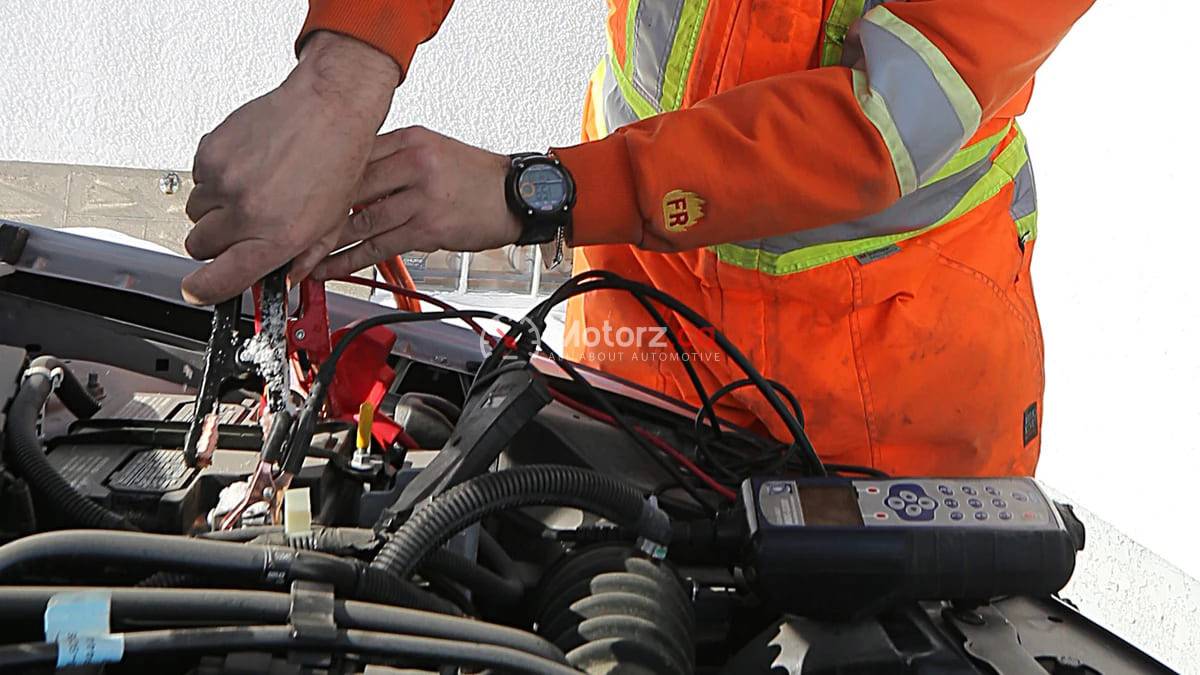
At “The Corner Wrench,” we recommend a battery “load test” every autumn. Most shops and many auto parts stores will do this for free. A load test simulates the stress of starting the engine and measures how well the battery recovers. If the test shows the battery is at 40 percent health, replace it now on your own terms, rather than waiting for it to fail in a dark parking lot at night.
A Little Care Goes a Long Way
Your battery is the heart of your vehicle’s electrical system. By following these five steps, you can turn a three-year battery into a five-year battery and avoid the most common cause of roadside assistance calls.
Scrub those terminals to ensure a clean connection.
Drive longer distances occasionally to give the alternator time to work.
Keep the heat shield in place to protect against summer damage.
Watch for phantom drains from chargers and accessories.
Test your battery annually once it passes the three-year mark.
At Motorz, we want you to have total confidence every time you turn that key. A healthy battery isn’t just about starting the car; it’s about protecting the sophisticated electronics that make modern driving so much fun. Stay charged, stay clean, and we’ll see you on the road.