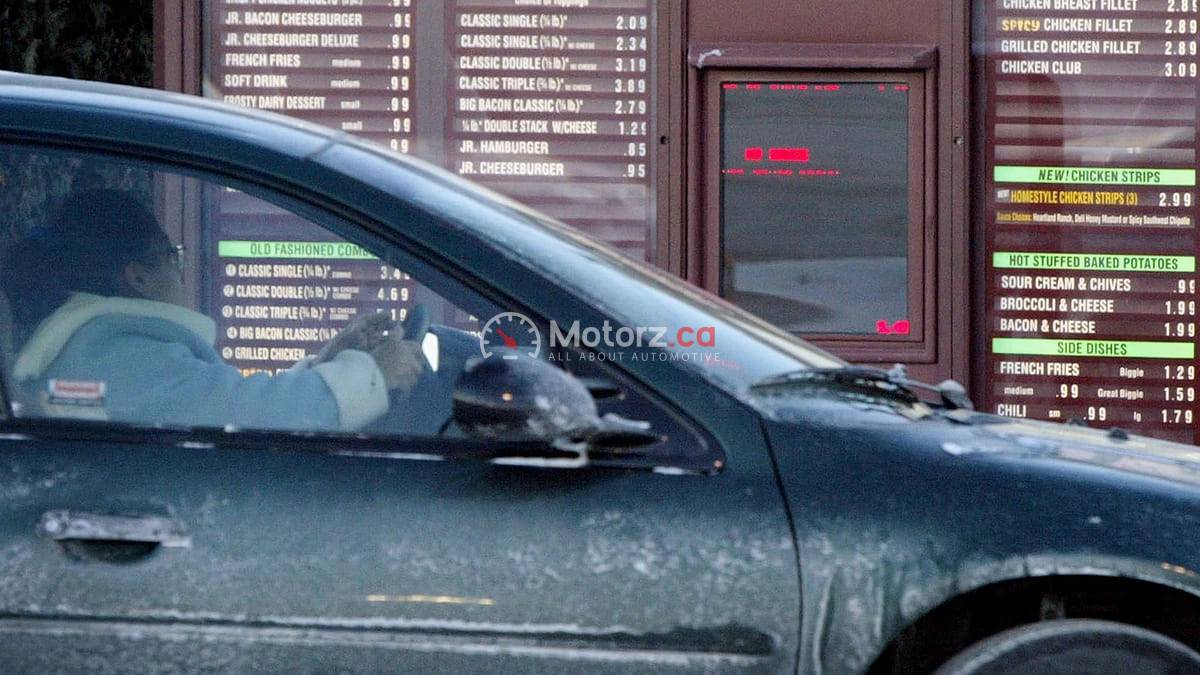
We have all been there. It is a Windows This Winter Tuesday morning in mid-January, and you have finally reached the front of the line at your favorite coffee shop. You can practically smell the dark roast through the glass. You reach for the switch to roll down your window, but instead of the smooth glide of glass, you hear a strained, rhythmic thump-thump or, even worse, a high-pitched motor whine followed by total silence.
The window is stuck. Frozen solid. You are now “that person” at the drive-through, forced to open your driver-side door into the freezing wind just to hand over your payment and grab your latte. It is embarrassing, inconvenient, and if you keep hitting that switch, it could become incredibly expensive.
In the world of “The Corner Wrench,” winter is the ultimate stress test for your vehicle. At Motorz, we know that power windows are one of the first things to fail when the temperature drops across the snow belt. Today, Lorraine Explains why your windows freeze, how to safely break the ice without shattering your glass, and the simple maintenance tricks to ensure you never get “frozen at the drive-through” again.
The Windows This Winter: Why Windows Stick
To fix the problem, you have to understand the enemy. Your power window system isn’t just a piece of glass; it is a complex assembly of rubber seals, plastic clips, metal cables (the regulator), and an electric motor.
The Ice Bond
When snow melts during the day or freezing rain falls at night, water seeps into the “weatherstripping”—the soft rubber seal at the base of your window. As the temperature drops, that water turns into a structural ice bond. This bond “glues” the glass to the rubber seal. Because the seal has a large surface area, it doesn’t take much ice to create a grip stronger than the torque of your window motor.
The Regulator Strain
Inside your door, the window is moved by a part called the window regulator. When you press the button and the window doesn’t move, the motor continues to pull on those cables. In 2026, many of these parts are made of lightweight plastics to save weight. If the ice bond is too strong, the motor can actually snap the plastic clips or stretch the cables, leading to a window that eventually falls into the door and won’t come back up.
Emergency Response: What to Do When Frozen
If you find yourself at the drive-through and the window won’t budge, your first instinct is often your worst enemy.
Stop Hitting the Switch
If the window doesn’t move after one or two short taps of the button, stop. Continuing to hold the switch down can burn out the window motor or blow a fuse. Modern cars often have a thermal circuit breaker to prevent this, but older models do not. If you hear a “click” and then nothing, you have likely tripped the safety or blown the fuse.
The “Palm Thump” Technique
Before reaching for chemicals, try a mechanical approach. With the window switch in the “down” position, use the heel of your hand to gently but firmly tap the outside of the glass along the bottom seal. Do not use a hammer or a heavy tool. The goal is to create enough vibration to shatter the thin layer of ice between the glass and the rubber.
De-Icing Fluids
If you have a bottle of commercial de-icer in your car, spray it generously along the bottom weatherstripping. If you don’t have de-icer, a mixture of two parts rubbing alcohol and one part water in a spray bottle works wonders. Alcohol has a much lower freezing point than water and will melt the ice bond in seconds without damaging your paint.
What NOT to do: The Hot Water Myth
Never, under any circumstances, pour hot water on a frozen car window. The extreme temperature difference can cause the glass to undergo “thermal shock,” leading to an instant, spiderweb crack across the entire pane. Replacing a window is far more expensive than a cup of coffee.
Preventive Maintenance: Winning the War Before It Starts
At Motorz, we believe that the best repair is the one you never have to make. You can “winterize” your windows in about ten minutes with two simple items.
Lubricate the Weatherstripping
The secret to non-stick windows is Silicone Spray. On a dry day before the first freeze, roll your windows all the way down. Spray a small amount of silicone lubricant onto a clean rag and wipe it along the inside of the rubber tracks (the vertical channels) and the horizontal seal at the base. Silicone is water-resistant; it prevents moisture from sitting on the rubber and forming an ice bond.
Avoid “Dressing” Your Seals with Petroleum
Never use petroleum-based products (like WD-40 or Vaseline) on your window seals. Petroleum can cause natural rubber to swell and degrade over time, making your window stick even worse in the summer and eventually causing leaks.
Troubleshooting a Broken System
If the ice has melted and your window still won’t move, you likely have a mechanical or electrical failure.
Checking the Fuses
If none of your windows are working, check the fuse box. In the winter driver, the extra strain of trying to move frozen glass often pops the fuse. Your owner’s manual will show you the location of the “Power Window” or “Body Control Module” fuse. Replacing a 2-unit fuse is a lot better than a 300-unit motor replacement.
The “Reset” Procedure
Many 2026 vehicles have “Auto-Up” and “Auto-Down” features that use sensors to detect resistance (to prevent pinching fingers). If a window was frozen and you fought with it, the computer might have “lost” its position. You can often reset this by holding the window switch in the “up” position for ten seconds after the window is closed, then holding it in the “down” position for ten seconds once it is open.
Stay Toasty and Functional
Getting frozen at the drive-through is a classic winter “fail,” but it doesn’t have to ruin your morning.
Be Patient: If it’s stuck, let the car’s interior heater run for 15 minutes. The warmth will eventually radiate through the door panel and melt the ice from the inside out.
Use Alcohol, Not Heat: Keep a small spray bottle of alcohol/water mix in your side pocket for icy mornings.
Silicone is King: A quick wipe-down in November saves a lot of headaches in January.
Listen to the Motor: If it sounds like it is struggling, it is. Don’t force it.
At Motorz, we want you to enjoy your winter drives, not fear them. Whether you are grabbing a double-double in Ontario or a latte in Calgary, follow these Corner Wrench tips to keep your windows moving as smoothly as your morning commute.