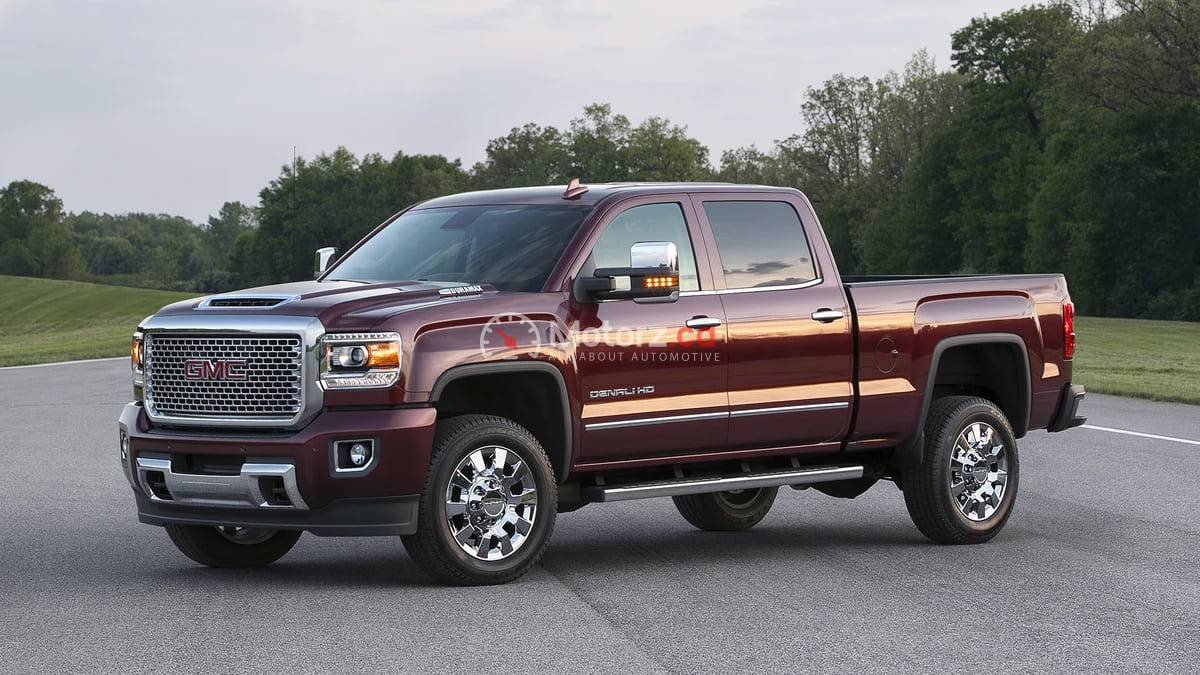
Imagine you are cruising down the highway at 100 km/h, the road is clear, and your foot is steady on the accelerator. Suddenly, without warning, your vehicle jerks to one side as the brakes slam on a single wheel. It feels like a ghost has grabbed the steering wheel. This terrifying scenario is at the heart of a massive safety alert from General Motors (GM), affecting over 600,000 popular trucks and SUVs across North America.
In the world of the “Corner Wrench,” we often talk about maintenance you can see—worn brake pads or leaking oil. But this issue is invisible, buried deep within the vehicle’s electronic “brain.” A software glitch related to wheel speed sensors is causing some of GM’s most reliable workhorses to behave unpredictably, leading to a significant recall in 2026.
Whether you drive a Chevrolet Silverado, a GMC Sierra, or one of GM’s large SUVs, understanding this recall is critical for your safety and the safety of everyone on the road.
The Trucks and SUVs: What is Causing the Unintended Braking?
The modern braking system is a marvel of computer science, but it relies on perfect data. When that data is corrupted, the results can be dangerous.
The Wheel Speed Sensor Failure
Every wheel on your truck has a sensor that tells the Electronic Brake Control Module (EBCM) how fast that specific tire is spinning. If one of these sensors fails or sends a “garbage” signal while you are driving between 60 and 100 km/h, the computer gets confused. It mistakenly thinks one wheel is slipping or locking up.
The Driveline Protection System
To “save” the vehicle from what it perceives as a mechanical failure, the software activates the Driveline Protection System.
The Result: The computer automatically applies the brake to the wheel opposite the failed sensor.
The Danger: This causes the vehicle to pull hard to one side unexpectedly. If you aren’t prepared for the jerk, it can pull you into the next lane or off the shoulder of the road.
Affected Vehicles: Is Your GM Model on the List?
This recall targets some of the best-selling vehicles in Canada and the United States. The common thread among them is the 5.3L engine paired with a 3.08-ratio rear axle and four-wheel drive.
Chevrolet Models
Chevrolet Silverado: The backbone of many Canadian fleets and personal garages.
Chevrolet Suburban & Tahoe: Large family haulers that carry significant weight, making sudden braking even more hazardous.
GMC Models
GMC Sierra : Like its Chevy cousin, the Sierra is heavily represented in this recall.
GMC Yukon & Yukon XL: These luxury SUVs are included due to shared chassis and braking software.
The Cadillac Connection
While the bulk of the 600,000 units are Chevy and GMC, certain Cadillac Escalade models from the same production years are also being scrutinized for similar brake-assist glitches.
Warning Signs and Symptoms
While the unintended braking can happen without warning, your vehicle’s “Corner Wrench” instincts might pick up on a few red flags before a major incident occurs.
The ABS Light: If your Anti-lock Braking System (ABS) light or Traction Control light flickers on and off intermittently, it is a sign that a wheel speed sensor is struggling to send a clean signal.
Service Brake System Message: Modern GM trucks will often display a text message on the dashboard. Do not ignore this—it is the computer telling you it no longer trusts its own data.
Spongy or Jerky Brake Feel: If you feel the brake pedal “pulsing” while you are driving at constant speeds (without touching the pedal), the EBCM is already trying to intervene.
Stabilitrak Faults: Since the braking system is tied to stability control, a “Service Stabilitrak” warning is often the first indicator of a sensor issue.
The Solution: A Digital Fix for a Physical Risk
The good news for owners is that this is not a hardware failure that requires days in the shop. GM has developed a software solution to prevent the “ghost braking.”
Reprogramming the EBCM
Authorized dealers will perform a software update to the Electronic Brake Control Module. This update changes how the computer reacts to a failed wheel speed sensor. Instead of slamming on the opposite brake, the new software is designed to simply disable the driveline protection system and alert the driver, allowing you to maintain full manual control of the steering and braking.
Cost and Time
As with all safety recalls, the repair is completely free. The software “flash” usually takes less than an hour, though you should account for the time it takes the dealership to process your vehicle.
Taking Action: How to Secure Your Vehicle
If you drive one of the affected models, waiting for a letter in the mail is not the best strategy. Take proactive steps today:
Find Your VIN: Your 17-digit Vehicle Identification Number is located on the driver’s side dashboard (visible through the windshield) or on your insurance papers.
Check the GM Recall Center: Visit the official GM or Chevrolet owner center website and enter your VIN. It will tell you immediately if your truck is part of the 600,000-unit campaign.
Call Your Dealer: If your VIN is “Open,” call your local dealership and mention Recall Number N192261050. Even if you haven’t experienced the braking issue yet, the “ghost” could appear at any time.
Modern Safety Requires Modern Vigilance
The GM unintended braking recall is a sobering reminder that as our vehicles get smarter, they also become more complex. A simple sensor error shouldn’t result in a highway crash, and GM’s software fix is designed to ensure it doesn’t.
By staying informed and acting quickly, you can ensure that your Silverado or Sierra stays on the road—and in its lane. Don’t let a software glitch compromise the safety of your family. Check your VIN today and get your “ghost” busted for free.