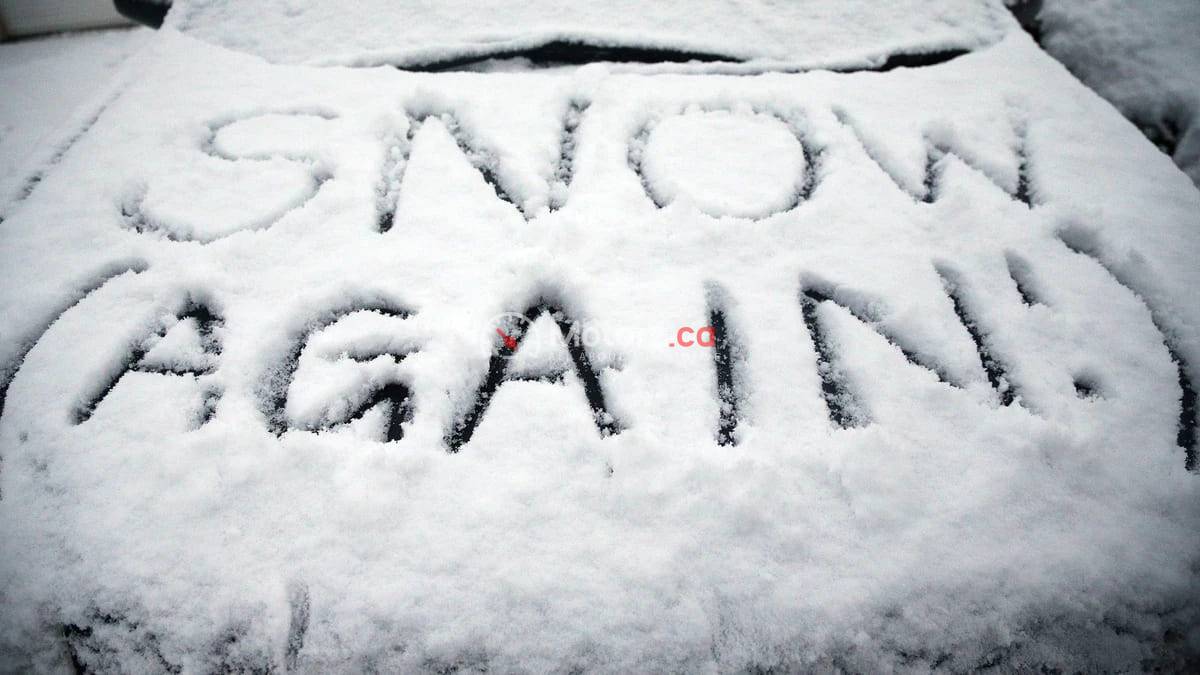
As the Winter Survival Guide of autumn disappear and the first frost begins to settle on your windshield, a familiar sense of dread often settles in for vehicle owners. Winter is not just a season; it is a grueling endurance test for your car. From the corrosive road salts of Ontario to the bone-chilling temperatures of the Prairies, the elements are working around the clock to degrade your vehicle’s finish, drain its battery, and seize its mechanical components.
In the world of “The Corner Wrench,” we often say that one hour of preparation in November is worth ten hours of repair in February. Modern vehicles in 2026 are marvels of engineering, but they are not invincible. Without a proactive strategy, the “Deep Freeze” can lead to expensive body rust, cracked seals, and the nightmare of being stranded in a parking lot during a blizzard.
At Motorz, we want to ensure your vehicle survives the slush and emerges in the spring looking as good as new. Today, Lorraine Explains the comprehensive steps to “winterize” your car, covering everything from undercarriage protection to the chemistry of cold-weather fluids.
Exterior Defense: Shielding Your Winter Survival Guide
The most visible victim of winter is your car’s exterior. However, the damage you can’t see—underneath the car—is often the most destructive.
The Power of a High-Quality Wax or Sealant
Before the first salt truck hits the road, your paint needs a sacrificial layer. Standard car washes provide a temporary shine, but a high-quality ceramic coating or a heavy-duty carnauba wax creates a physical barrier. This barrier prevents road salt and grime from bonding to the clear coat, making it much easier to wash away the grey “slush film” that accumulates during the week.
Undercarriage Undercoating and Oil Sprays
Road salt is a chemical catalyst for rust. In 2026, many experts recommend “drip-less” oil sprays or lanolin-based undercoatings. Unlike old-fashioned rubberized undercoatings that can actually trap moisture against the metal, these oil-based treatments penetrate the seams of the chassis and displace water.
The Corner Wrench Tip: Focus your spray on the brake lines and fuel lines. These are often the first components to fail due to salt-induced corrosion.
Electrical Health: Ensuring a Reliable Start
Nothing puts a battery under more stress than a cold snap. When the temperature drops, the chemical reaction inside your battery slows down, reducing its ability to provide “Cranking Amps” just as your engine oil thickens and becomes harder to move.
The Battery Load Test
A battery that works perfectly in September may fail completely in December. We recommend a professional load test before the first freeze. If your battery is more than three or four years old, it is statistically nearing the end of its life. Replacing it on your own terms is much cheaper than an emergency roadside jump-start.
Protecting the Terminals
Corrosion on battery terminals acts as an insulator, preventing the alternator from fully charging the battery. Clean the terminals with a mixture of baking soda and water, then apply a thin layer of dielectric grease. This simple step ensures that every bit of power from the alternator reaches the battery cells.
Fluids and Vital Organs: The Chemistry of Cold
Your car relies on various liquids to stay cool, lubricated, and clean. In winter, the properties of these fluids change dramatically.
Switching to Winter-Weight Oil
If you live in a region where temperatures regularly stay below freezing, check if your manufacturer recommends a “winter-weight” oil. A 0W-20 or 5W-30 oil remains more fluid in the cold than a 10W-30. Thinner oil at startup means the engine reaches proper lubrication levels in seconds rather than minutes, drastically reducing internal wear.
Antifreeze and Coolant Concentration
Despite the name “coolant,” this fluid is essential for preventing your engine block from cracking in the winter. Use a refractometer or a simple test strip to ensure your antifreeze is mixed to a 50/50 or 60/40 ratio. This ensures the fluid stays liquid even when the thermometer hits 30 below.
The Windshield Washer Strategy
Summer washer fluid is mostly water and will freeze solid in your reservoir, potentially cracking the plastic tank or the pump. Switch to a “Winter Blend” rated for 40 below. These formulas contain higher concentrations of methanol to melt ice on contact and keep your vision clear during heavy slush sprays from other vehicles.
Tires and Traction: Staying Rooted to the Road
We have discussed the “Seven-Degree Rule” extensively at Motorz. Once the temperature is consistently below 7 Celsius, your all-season tires lose the “squish” needed to grip the pavement.
The Benefits of Dedicated Winter Tires
Winter tires are not just about deep tread; they are about specialized rubber compounds. These tires remain soft in the cold, allowing the “sipes” (tiny slits in the tread) to open up and bite into snow and ice.
Tire Pressure Monitoring: For every 5-step drop in temperature, Winter Tires lose about one pound of pressure. Check your PSI (pounds per square inch) regularly during the winter to avoid poor fuel economy and uneven tire wear.
Don’t Forget the Spare
If you get a flat tire in a snowstorm, the last thing you want is a flat spare tire in the trunk. Check the pressure of your spare and ensure the jack and lug wrench are not rusted shut. A quick spray of penetrating oil on the jack mechanism can be a lifesaver.
Interior Comfort and Safety Preparation
Protecting the car also means protecting the occupants. Winter driving requires a different level of cabin maintenance.
Rubber Floor Mats
Carpeted floor mats trap salt-laden melted snow, which eventually soaks into the floorboards and causes the metal floor of the car to rust from the inside out. Invest in a set of high-quality rubber “weather” mats with deep channels to catch the slush.
The Winter Emergency Kit
Every vehicle should carry a survival bag from November through April. At a minimum, include:
A heavy wool blanket or sleeping bag.
A collapsible snow shovel and a bag of sand or traction mats.
Extra hats, gloves, and a flashlight with fresh batteries.
Non-perishable snacks and a portable phone power bank.
A Checklist for Winter Success
Saving your car from winter is about layers of protection. By addressing the exterior, the electrical system, and the mechanical fluids before the snow flies, you ensure your vehicle remains a reliable tool rather than a liability.
Seal the paint and undercarriage to fight off road salt and rust.
Test the battery and clean the terminals to ensure reliable starts.
Upgrade your fluids to winter-grade oil and 40 below washer fluid.
Install four winter tires for maximum stopping and turning power.
Pack an emergency kit and use rubber mats to protect the interior.
At Motorz, our mission is to keep you driving safely through every season. Winter might be tough, but with the right preparation, your car is tougher. Take the time now to show your vehicle some love, and it will reward you with a trouble-free winter of driving.