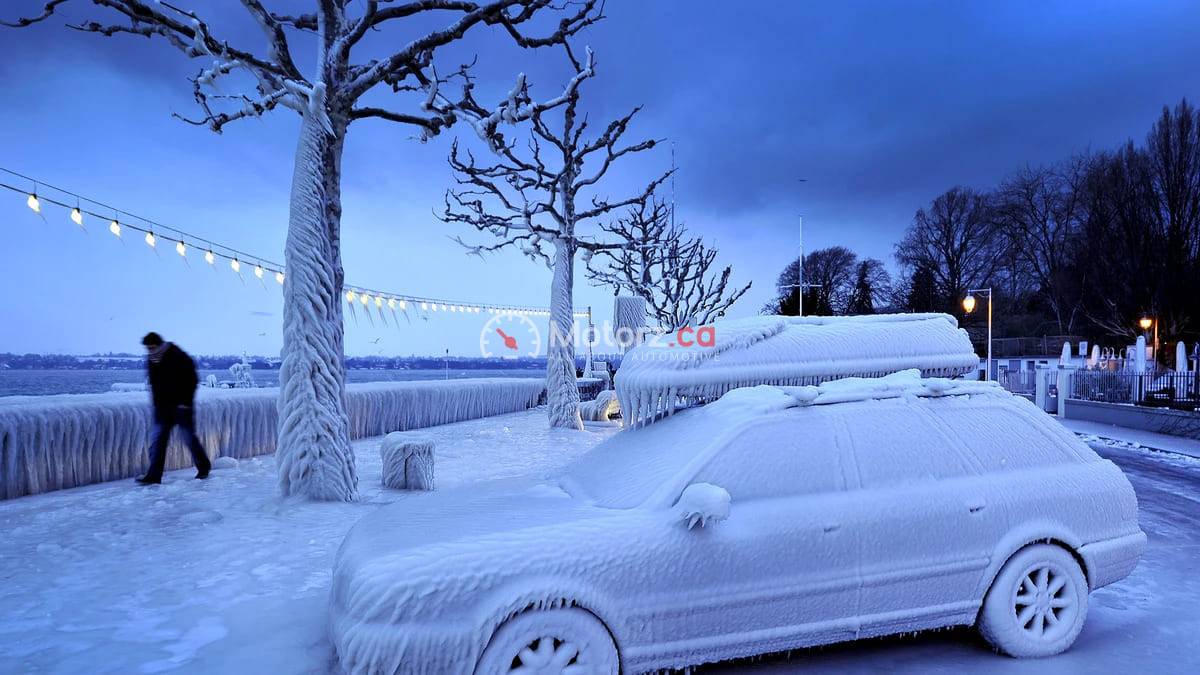
We have all been there. You wake up in the middle of a Car in Extreme Cold, and the thermometer has dipped well into the minus thirties. You look out the window at your car, encased in a layer of frost, and realize with a sinking feeling that you never got around to installing a block heater. You turn the key, and instead of a roar, you get a slow, agonizing “groan-groan-click.” Your engine oil has the consistency of molasses, and your battery is currently putting out about as much power as a AA double-A cell.
In this edition of “The Corner Wrench,” we are tackling one of the most stressful winter driving scenarios: the “no-start” morning. While a block heater is the gold standard for cold-weather reliability in 2026, not every vehicle comes equipped with one, and not every parking spot has an electrical outlet.
Don’t call a tow truck just yet. At Motorz, we know that starting a frozen engine is a game of physics and chemistry. From choosing the right synthetic lubricants to the “secret” of battery thermal wraps, we are breaking down exactly what you can do to keep your car mobile when the mercury vanishes.
The Physics of the Car in Extreme Cold: Why Your Car Struggles
Before we get into the fixes, we need to understand the three enemies of a cold engine: oil viscosity, battery chemistry, and fuel atomization.
Oil Viscosity: The Molasses Effect
Conventional motor oil thickens as it gets colder. At minus 30, standard 10W-30 oil becomes so thick that the engine’s starter motor literally cannot spin the crankshaft fast enough to generate ignition. This creates massive internal resistance and puts a huge strain on your mechanical components.
Battery Capacity Loss
Batteries rely on chemical reactions to produce electricity. Cold temperatures slow these reactions down significantly. A battery that has 100 percent power at 20 Celsius may only have 40 percent of its cranking power at minus 20. When you combine a weak battery with thick, heavy oil, the “no-start” is almost guaranteed.
Fuel Atomization Issues
Gasoline needs to turn into a fine mist (atomize) to burn. In extreme cold, fuel tends to stay in liquid droplets, which “wet” the spark plugs instead of igniting. This is a primary cause of the “flooded engine” we have discussed in previous guides.
Immediate Solutions: Getting It Started Today
If you are stuck right now and need to get to work, here are the professional techniques to get a frozen car moving without a block heater.
The “Double-Key” Battery Wake-Up
Before you try to crank the engine, turn your headlights on for about 10 to 15 seconds. It sounds counterintuitive to drain the battery, but this small draw starts the chemical reaction inside the battery, slightly warming it up from the inside. Turn the lights off, then try to start the engine.
Using 0W-Series Synthetic Oils
This is the single best “invisible” block heater. If you live in a cold climate, ensure your next oil change at The Corner Wrench uses a 0W-20 or 0W-30 full synthetic oil. The “0W” rating means the oil remains fluid at much lower temperatures than standard oils, allowing the engine to spin freely even in the dead of winter.
The Jump-Start Assist
If the battery is just too cold to provide the necessary “juice,” a portable lithium-ion jump starter is your best friend. In 2026, these units are small enough to fit in a glovebox but powerful enough to start a V8 engine. Connecting a warm, fully charged jump pack provides the extra voltage needed to overcome the cold-start resistance.
Alternative Heating Methods: Thinking Outside the Block
If you don’t have a traditional frost-plug block heater, there are several “bolt-on” options that are easier to install and just as effective.
Magnetic Oil Pan Heaters
These are small, powerful heating elements with a magnetic base. You simply “slap” them onto the bottom of your steel oil pan and plug them in. By heating the oil directly, you ensure that the engine remains easy to turn over.
Note: This only works if your oil pan is made of steel; many modern cars use aluminum or plastic pans, which won’t hold a magnet.
Battery Thermal Blankets
A battery blanket is a small heating wrap that goes around your battery. Keeping the battery at a balmy 10 to 15 Celsius ensures it can deliver 100 percent of its rated cranking amps, regardless of how cold it is outside.
Silicon Heat Pads
If you have an aluminum oil pan, you can use adhesive-backed silicon heat pads. These are permanently glued to the oil pan or transmission and are very effective at keeping fluids warm. They are a great DIY alternative for vehicles that don’t have a factory block heater port.
Operational Tips: How to “Park” for a Cold Morning
Sometimes, the way you treat your car the night before determines if it starts the next day.
The “Full Tank” Rule
Always keep your fuel tank at least half full during the winter. A full tank reduces the amount of air space where condensation can form. Moisture in the fuel lines can freeze into “ice crystals,” blocking the fuel filter and preventing the engine from getting gas.
Parking for Protection
If you don’t have a garage, try to park with the front of the car facing away from the prevailing wind. A strong north wind blowing directly into your radiator grille will strip away engine heat much faster than if the car is shielded by a wall or a fence.
Synthetic Transmission Fluid
In very cold weather, even the transmission fluid can become thick. If you have a manual transmission, you might find it hard to move the shifter. Switching to a high-quality synthetic gear oil or transmission fluid will make the car feel much “lighter” during those first few kilometers of driving.
Your Cold-Weather Action Plan
Not having a block heater isn’t a death sentence for your car’s reliability. By combining the right lubricants with a few smart accessories, you can face a Canadian winter with confidence.
Switch to Synthetic: Use 0W-series oil to keep the engine spinning freely.
Support the Battery: Use a thermal wrap or keep a portable jump-starter handy.
Consider Bolt-ons: Magnetic heaters or adhesive pads are great alternatives to internal block heaters.
Be Smart: Keep the fuel tank full and park in sheltered areas.
At Motorz, we want you to stay warm and stay moving. A little bit of preparation at The Corner Wrench today means you won’t be shivering in your driveway tomorrow.