For decades, the public’s perception of hydrogen as a fuel source has been colored by historical newsreels and cinematic tropes of high-pressure explosions. However, in the high-stakes world of automotive engineering, hydrogen is proving to be a safer, cleaner, and more resilient alternative to traditional combustion.
The latest proof comes from the Insurance Institute for Highway Safety (IIHS), which has awarded the 2026 Hyundai Nexo its highest accolade: the TOP SAFETY PICK+ (TSP+). In a year where IIHS significantly toughened its testing criteria—demanding better protection for rear-seat passengers and more advanced pedestrian detection—the Nexo didn’t just pass; it excelled.
As we move deeper into the 2026 automotive landscape, the Nexo stands as a beacon of “Corner Wrench” ingenuity. It proves that you can drive a zero-emission, hydrogen-powered SUV without compromising an inch on structural integrity. Here is a deep dive into how Hyundai turned a high-pressure fuel source into one of the safest platforms on the road.
The IIHS Hyundai Nexo: A Higher Bar for Safety
The 2026 testing cycle was designed to expose the weaknesses in modern SUVs. To earn the TSP+ designation, a vehicle must achieve “Good” ratings in every major crash category.
Small Overlap and Moderate Overlap Front Tests
These tests simulate a vehicle clipping a tree or another car. The Nexo’s passenger compartment remained remarkably stable, protecting the driver’s survival space. Data from the crash dummies showed “Good” protection for all critical body areas, including the head, neck, and chest.
The New Focus on Rear-Seat Safety
The biggest hurdle for 2026 was the updated moderate overlap front test, which now includes a dummy in the second row. While many older SUV designs struggled to protect back-seat passengers from “submarining” under the seatbelt, the Nexo’s advanced pretensioners and side-curtain airbags ensured rear occupants remained safely positioned throughout the impact.
Hydrogen Tank Integrity: Addressing the “Explosion” Myth
The question every “Corner Wrench” enthusiast asks is: What happens to the hydrogen tanks in a crash? Hyundai designed the Nexo to answer that question with extreme engineering.
Triple-Layer Carbon Fiber Tanks
The Nexo stores hydrogen in three reinforced tanks located under the rear seats and cargo area. These are not simple metal canisters. They are constructed from carbon fiber and epoxy, making them six times stronger than steel. During crash testing, even in severe rear-end impacts, the high-strength tank protection structure is designed to absorb and deflect energy away from the fuel system.
Intelligent Fail-Safes
In the event of a collision, the Nexo is equipped with sensors that immediately shut off the flow of hydrogen. Furthermore, because hydrogen is 14 times lighter than air, if a tank were somehow punctured, the gas would dissipate rapidly upward into the atmosphere rather than pooling under the car like gasoline. This “buoyant” property actually makes hydrogen fires less likely to engulf the cabin compared to a liquid fuel leak.
Active Safety: The Hyundai SmartSense Suite
While crashworthiness is about surviving an accident, the Nexo’s “Safety Assist” features are designed to prevent the accident from happening in the first place.
Forward Collision-Avoidance Assist (FCA)
Using a combination of radar and camera sensors, the Nexo can detect sudden braking by vehicles ahead, as well as pedestrians and cyclists in the road. In the 2026 IIHS evaluations, the Nexo’s automated emergency braking system avoided collisions in nearly every test scenario at highway speeds.
Lane Following Assist and Blind-Spot Monitoring
The Nexo acts as a co-pilot, keeping the vehicle centered in its lane and providing audible and visual alerts if you attempt to move into an occupied lane. These systems are part of why the Nexo earned a maximum 5-star rating in Euro NCAP and the Top Safety Pick+ in North America.
Cold Weather Performance and Reliability
For Canadian drivers, safety also means reliability in the dead of winter. Hydrogen fuel cells have a distinct advantage over battery-electric vehicles (BEVs) when the temperature drops.
Fast Starts: The Nexo was developed to cold-start at temperatures as low as minus 30 Celsius.
Heated Safety Gear: Beyond the powertrain, the Nexo includes a heated steering wheel and 3-step heated seats, ensuring the driver stays comfortable and focused on the road, which is a critical part of active safety.
Range Stability: Unlike batteries, which can lose significant range in the cold, the Nexo’s hydrogen fuel cell maintains a stable driving range of up to 666 kilometers (EPA estimated), ensuring you aren’t stranded in a winter storm.
The Environmental Bonus: A Car that Cleans the Air
The Nexo is unique in that it is a “Vulnerable Road User” protector in more ways than one. Not only does it protect them in a crash, but it also protects their lungs.
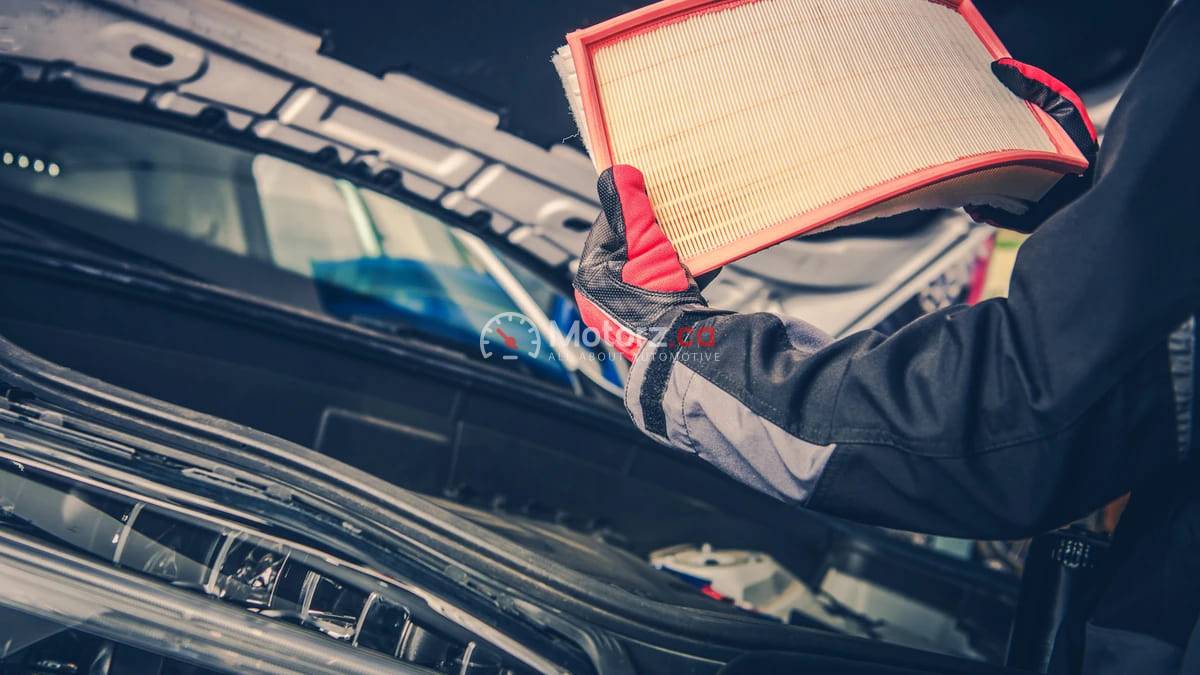
The Nexo features an advanced air purification system. As it pulls in oxygen to feed the fuel cell, it filters 99.9 percent of fine dust and particulates from the air. By the time the air leaves the car, it is cleaner than when it entered. In a sense, the Nexo is a rolling air filter that emits only pure water vapor from its tailpipe.
The Future is Safe and Hydrogen-Powered
The 2026 IIHS TOP SAFETY PICK+ award for the Hyundai Nexo is a turning point for hydrogen technology. It proves that a fuel-cell vehicle can meet and exceed the most rigorous safety standards in the world. With its reinforced carbon fiber tanks, advanced SmartSense active safety suite, and superior cold-weather performance, the Nexo is no longer a “science project”—it is a premier choice for the safety-conscious driver.
If you are looking for a zero-emission SUV that handles like a dream and protects like a fortress, the Nexo has officially earned its place at the top of the list.