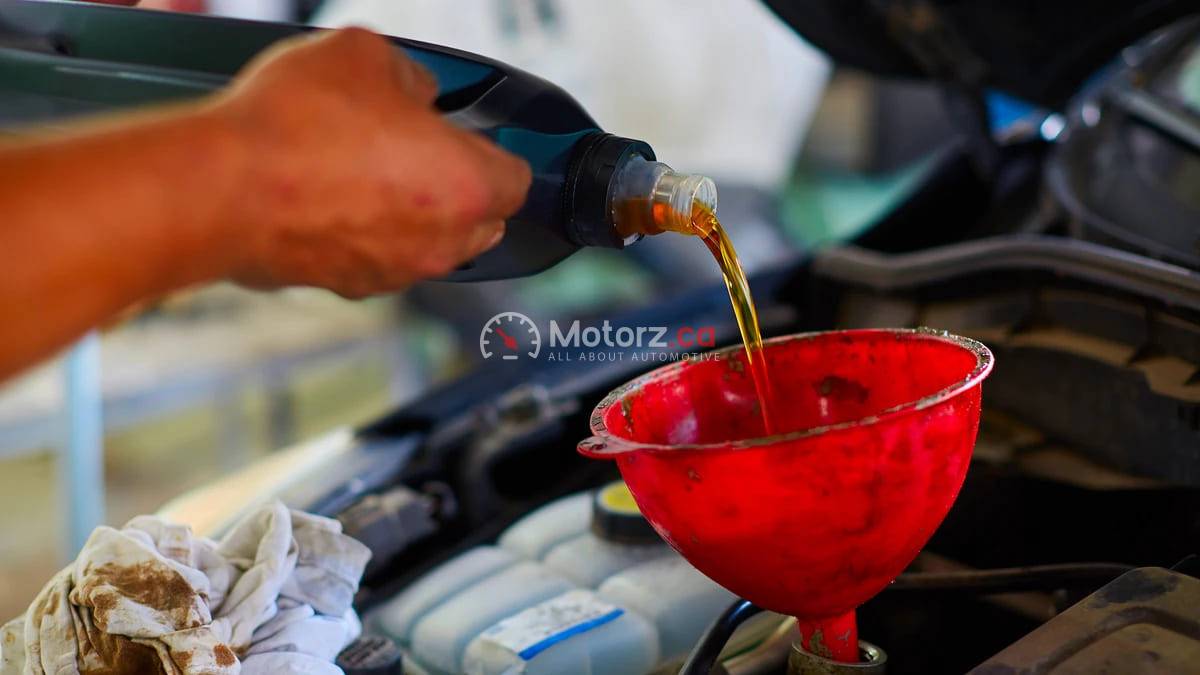
There is a common misconception in the Maintenance Tips that a car is safest when it is parked. We often think that by keeping the odometer still, we are “saving” the vehicle from wear and tear. However, the reality is quite the opposite. Vehicles are designed to be moved. When a car sits idle—whether due to a change in work habits, travel, or an extended period at home—a different kind of decay begins to set in.
Fluids settle, rubber seals dry out, and batteries slowly lose their chemical “memory.” If you have found yourself driving significantly less lately, your car is currently at risk of “dormancy damage.” The good news is that you don’t need a professional garage or a lift to keep your vehicle in peak condition. Most of the preventative care required to keep a car “road-ready” can be done right in your driveway with zero specialized tools.
In this guide, we will explore seven high-impact ways to maintain your vehicle when it is sitting idle, ensuring that when you finally turn the key, your car is ready to perform.
Battery Care: The Maintenance Tips Parasitic Drain
The most common casualty of an idle car is the battery. Even when your ignition is off, your car is “alive.” The security system, the clock, and the engine control module (ECM) all draw a tiny amount of electricity known as “parasitic drain.” Over two to three weeks, this can be enough to leave your battery too weak to turn the starter motor.
The 15-Minute Rule
If you aren’t using a dedicated charger, the best way to Maintenance Tips is to start the car and drive it. Note that idling in the driveway isn’t enough; an alternator needs higher RPMs to effectively push a charge back into the battery. A 15-minute drive at highway speeds once a week is usually sufficient to maintain the chemical health of the lead-acid plates.
Invest in a Battery Tender
If you know the car will sit for a month or more, a “battery tender” or “trickle charger” is a life-saver. These smart devices monitor the voltage and only deliver a charge when it is needed. Unlike old-fashioned chargers, they won’t overcharge or “cook” your battery.
Preventing Flat Spots: Tire Health and Pressure
Tires are designed to support the weight of the vehicle while rotating. When a car sits in one spot for weeks, the constant pressure on a single point of the tire carcass can cause the rubber to deform, leading to what mechanics call “flat spotting.“
Over-Inflate for Long-Term Storage
If you know the car will be stationary for a while, consider inflating your tires to the maximum PSI listed on the sidewall (not the pressure listed on the door jamb). This extra firmness helps the tire maintain its round shape. Just remember to bleed the air back down to recommended levels before your next real drive.
The Five-Foot Shift
If you can’t go for a full drive, simply move the car five feet forward or backward in the driveway. This shifts the weight to a different section of the tire and prevents the internal steel belts from taking a permanent “set.“
Fluid Management: Stopping the Stagnation
Engine oil, coolant, and brake fluid are the lifeblood of your vehicle. When they stop circulating, gravity takes over. Oil drains away from the upper engine components (like cams and valves), leaving them “dry” for the next time you start the engine.
Fighting Oxidation and Moisture
Fluids can also absorb moisture from the air when they sit. Brake fluid is “hygroscopic,” meaning it attracts water. If water builds up in the lines while the car is idle, it can cause internal corrosion.
The Insight: Starting your car and letting it reach full operating temperature (where the needle stays in the middle of the gauge) helps boil off any condensation that has built up in the oil and exhaust system.
Brake Preservation: The Invisible Rust
Brake rotors are made of cast iron. Without the constant “scrubbing” action of the brake pads during daily use, a layer of surface rust can form within just 48 hours of rain or high humidity.
The “Stuck” Parking Brake
One of the biggest mistakes you can make with an idle car is leaving the parking brake engaged for months. The pads can actually “bond” to the rotors or drums through a process of galvanic corrosion.
The Tip: If you are parked on flat ground, consider using wheel chocks instead of the parking brake for long-term storage to prevent the rear brakes from seizing.
Fuel System Stability: Preventing “Sour” Gas
Modern gasoline is blended with ethanol, which has a relatively short shelf life. After about three to six months, gasoline begins to oxidize and lose its volatility. It can turn into a varnish-like substance that clogs fuel injectors and filters.
Keep the Tank Full
A full tank of gas leaves less room for air. Less air means less moisture can condense inside the tank. If you suspect your car will be sitting for a long time, fill the tank and add a fuel stabilizer. This chemical additive slows down the oxidation process and keeps the fuel “fresh” for up to a year.
Pest Control: Protecting Your Wiring
An idle car is a perfect, insulated home for rodents. Mice and squirrels are notorious for crawling into engine bays and nesting in air filter boxes. More dangerously, many modern cars use soy-based wire insulation, which rodents find delicious.
The Scent of Deterrence
To prevent a 2,000-unit repair bill for a chewed wiring harness, use deterrents. Peppermint oil, dryer sheets, or specialized ultrasonic pest repellers can keep critters away.
The Check: Always pop the hood before your first drive after a long break to ensure there are no nests near the belts or fans.
Exterior and Interior Hygiene
It might seem purely aesthetic, but keeping a car clean during downtime is a form of mechanical protection.
Paint Protection: Bird droppings and tree sap are acidic. If left on the paint in the sun, they will etch through the clear coat within days. A quick wash or even just a spot-clean can save your car’s finish.
Cabin Air Quality: If a car sits in the sun with the windows up, the air can become stagnant and develop a musty smell. Occasionally opening the doors to let the cabin “air out” prevents mold growth on seat upholstery and keeps the seals from sticking.
Consistency is Key
Maintaining a car while you are stuck at home doesn’t require a mechanical degree. It is about small, consistent actions. By moving the car a few feet, keeping the battery charged, and ensuring the fluids circulate once a week, you are preventing the “death by a thousand cuts” that dormancy causes. Treat your car like a living thing—it needs to breathe and move to stay healthy.