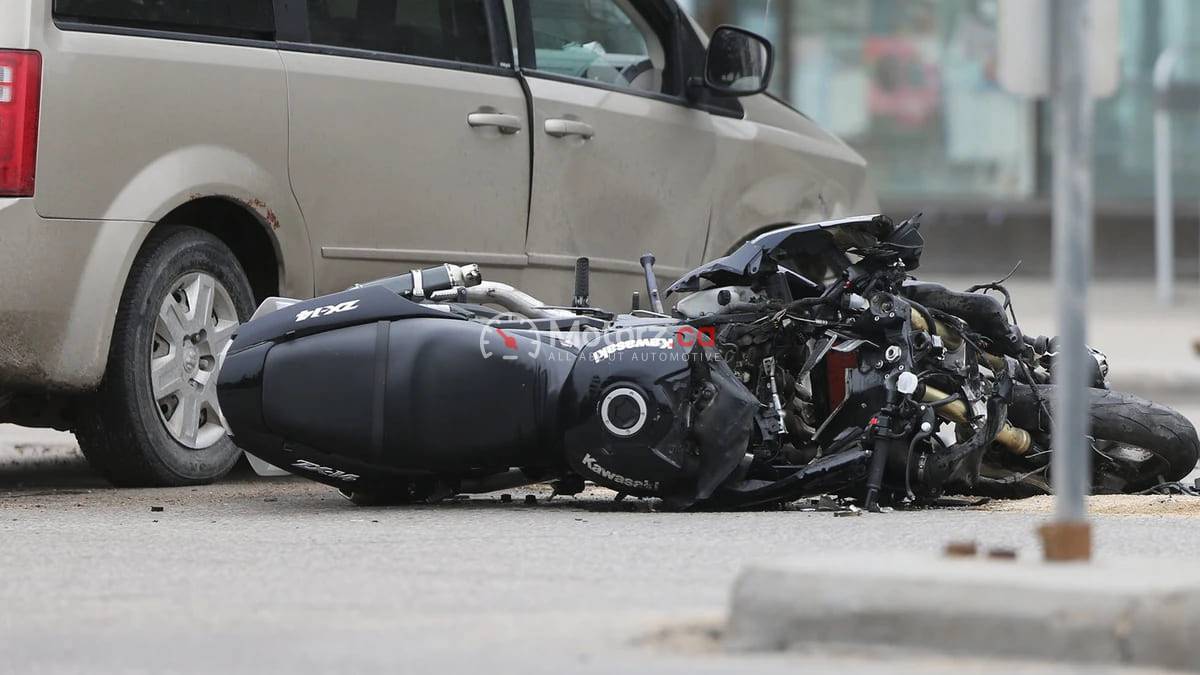
If you have spent more than five minutes on a Myths and Ignorant, you have likely encountered “The Lecture.” It usually starts at a gas station or a family dinner, delivered by someone who hasn’t swung a leg over a bike in twenty years—if ever. They tell you about the “inevitability” of a crash, the “anti-social” nature of lane filtering, or how motorcycles are “death machines” that have no place in a modern, automated 2026 transport network.
In this edition of “Motor Mouth,” we are cutting through the noise. There is a lot of ignorant grandstanding happening in local councils and online forums today. From calls to ban bikes in city centers to the misunderstanding of rider safety technology, the narrative is often driven by fear rather than facts. As the manager of “Motorz,” I’ve seen the automotive landscape shift toward safety and automation, but motorcycling remains one of the most efficient, misunderstood, and unfairly targeted modes of transportation on our roads.
It is time to separate the myths from the mechanical reality. Whether you are a veteran rider or a concerned observer, here is a breakdown of why most of the “grandstanding” against motorcycles is based on outdated data and a lack of understanding of modern two-wheeled engineering.
The Myths and Ignorant: Modern Safety vs. Old Narratives
The most common form of grandstanding involves quoting safety statistics from the 1980s. While riding a motorcycle inherently carries more risk than a 5,000-pound SUV, the safety gap is closing thanks to a revolution in rider technology.
Advanced Rider Assistance Systems (ARAS)
In 2026, motorcycles are no longer “analogue” machines. Modern bikes from brands like Ducati, BMW, and KTM are equipped with radar-guided cruise control, blind-spot detection, and Lean-Angle Sensitive Traction Control. These systems can detect a slide before the rider even feels it, adjusting engine torque in milliseconds to keep the bike upright.
Cornering ABS: The Great Equalizer
The “Cornering ABS” system is perhaps the greatest safety advancement in the history of motorcycling. It allows a rider to apply full brakes while leaned over in a turn without the bike standing up or washing out. This technology has mitigated the single biggest cause of single-vehicle motorcycle accidents: mid-corner panic braking.
The Lane Filtering Debate: Efficiency vs. Ego
You see it every summer. A rider slowly moves between stationary cars in heavy traffic, and a driver opens their door or honks in rage. This “grandstanding” usually comes from a place of “if I have to wait, so do you.”
Why Filtering is Safer for Everyone
The reality, backed by studies from UC Berkeley and transportation departments worldwide, is that lane filtering (moving between slow or stopped traffic) significantly reduces the risk of “rear-end” collisions. For a motorcyclist, being the “crumple zone” between two cars is a life-threatening situation. Filtering moves the rider to the front, out of the danger zone.
Reducing Urban Congestion
If 10 percent of commuters swapped their cars for motorcycles or scooters, traffic congestion would drop by 40 percent. A bike takes up one-third the space of a sedan. By grandstanding against filtering, city planners are actually advocating for more traffic and longer commute times for everyone.
The Environmental Ignorance: Are Bikes Really “Dirty”?
A common argument used by urban “green” committees is that motorcycles are more polluting than modern hybrid cars. While older carbureted bikes were indeed heavy on emissions, the 2026 reality is vastly different.
Euro 5+ and Global Emission Standards
Modern motorcycles must adhere to Euro 5+ standards, which require sophisticated catalytic converters and carbon canisters. When you factor in the “Life Cycle Assessment”—the energy required to build a 250-kilogram motorcycle versus a 2,500-kilogram electric SUV—the motorcycle often has a smaller total carbon footprint.
The EV Bike Revolution
The rise of electric motorcycles (EV bikes) has eliminated the noise and tailpipe emission arguments entirely. These machines offer silent operation and incredible torque, making them the ultimate urban mobility tool. Grandstanding against bikes ignores the fact that they are the perfect bridge between public transit and the private car.
The Noise Narrative: Loud Pipes and Social Perception
We have to be honest: “Loud Pipes Save Lives” is a mantra that has led to a lot of the grandstanding we see today. While some riders enjoy the roar of an aftermarket exhaust, the “noise pollution” argument is the most effective weapon used by those who want to ban bikes from residential areas.
The “Corner Wrench” Reality
Excessive noise doesn’t save lives; it irritates neighbors and gives local politicians an excuse to install “noise cameras.” Modern stock exhausts are engineered to provide a pleasant tone while staying within legal decibel limits. At Motorz, we encourage riders to focus on high-visibility gear and defensive riding skills rather than relying on volume for safety.
Training and Licensing: The Real Safety Solution
The final piece of ignorant grandstanding often centers on “how easy it is to get a license.” In reality, motorcycle licensing is often much more rigorous than car licensing.
Graduated Licensing Programs
In many regions, including most of Canada and Europe, riders must go through a tiered system. You cannot simply buy a 200-horsepower superbike as your first vehicle. You must prove your skills on smaller, manageable machines first. This “skills-based” approach is something the automotive world could actually learn from.
Continuous Education
The motorcycling community is unique in its obsession with “track days” and advanced riding schools. Riders are far more likely to seek out professional training to improve their braking and cornering skills than the average driver is to take a defensive driving course.
Facts Over Fear
Motorcycling is a choice that offers freedom, efficiency, and a unique mechanical connection to the road. The ignorant grandstanding we see today—the calls for bans, the anger over filtering, and the outdated safety lectures—is usually born from a lack of information.
In 2026, the “Motor Mouths” of the world need to look at the data. Motorcycles are safer, cleaner, and more tech-forward than ever before. It’s time to stop the grandstanding and start recognizing two-wheeled transport as a vital part of a modern, moving society.