There is a specific kind of Car’s Lighting System that comes with driving a vehicle that lights up the road like a stadium at night. Whether you are navigating a foggy mountain pass or simply trying to find your way through a dark suburban street, your car’s lighting is its most critical communication and safety tool. Yet, for many drivers, the factory-installed bulbs are often the first thing to be ignored—until one of them burns out.
In this edition of “The Corner Wrench,” we are shedding light on everything you need to know about automotive lighting upgrades. As we move through 2026, the technology behind how we see and are seen on the road has shifted from simple glowing filaments to complex LED arrays and smart projection systems.
Upgrading your lights isn’t just about aesthetics or making your car look “modern”; it is about increasing your reaction time and reducing eye fatigue during those long Canadian winter nights. From choosing the right bulb technology to navigating the legalities of aftermarket kits, here is your roadmap to a brighter, safer drive.
Understanding Your Options: Car’s Lighting System
Before you crack open your hood, you need to understand the “Big Three” of automotive lighting. Each has its own set of pros, cons, and installation requirements.
The Classic Halogen
Halogen bulbs have been the industry standard for decades. They work by passing electricity through a tungsten filament inside a capsule of halogen gas.
The Pros: They are inexpensive, easy to find at any auto parts store, and a breeze to install.
The Cons: They generate a lot of heat, have a shorter lifespan than modern tech, and produce a “yellowish” light that doesn’t provide the best contrast at night.
The Modern Car’s Lighting System
LEDs are the current kings of the “Corner Wrench” upgrade world. Instead of a filament, they use semi-conductors to create light.
The Pros: They are incredibly energy-efficient, last for tens of thousands of hours, and provide a crisp, white light that mimics natural daylight.
The Cons: High-quality LED kits can be pricey, and because they don’t generate heat out the front, they won’t melt snow or ice off your headlights in the winter.
HID (High-Intensity Discharge) / Xenon
HIDs create light by sparking an electrical arc between two electrodes in a glass tube filled with xenon gas.
The Pros: They are exceptionally bright and have a very long “throw,” making them great for high-beam applications.
The Cons: They require a “ballast” (a specialized power transformer) and take a few seconds to reach full brightness when you first turn them on.
Where to Start: Prioritizing Your Upgrades
If you are working on a budget, you don’t need to swap every bulb at once. Prioritize the lights that impact your safety the most.
Low Beam Headlights
This should always be your first stop. Your low beams are your primary source of vision. If you currently have standard halogens, upgrading to a “high-performance” halogen or a high-quality LED conversion kit can increase your visible road distance by up to 30 percent.
Fog Lights: The Amber Advantage
Many people think fog lights should be as bright and white as possible. However, the “Corner Wrench” secret is that selective yellow or amber light is actually better for fog and heavy snow. Yellow light has a longer wavelength that doesn’t reflect off water droplets as much as white light, reducing the “glare wall” that can blind you in a storm.
Interior LED Swaps
This is the easiest and most rewarding DIY job. Swapping your dim, yellow “incandescent” cabin bulbs for cool white LEDs makes the interior of your car feel five years newer. It also makes it much easier to find dropped keys or read a map without straining your eyes.
The Installation: Avoiding Common DIY Mistakes
Upgrading your lights is a perfect Saturday afternoon project, but there are a few technical hurdles that can trip up even a seasoned DIYer.
The “No-Touch” Rule for Glass
Never, ever touch the glass of a halogen or HID bulb with your bare fingers. The natural oils on your skin will create a “hot spot” on the glass. When the bulb heats up, that oil will cause the glass to crack or shatter. If you do touch the glass, clean it with rubbing alcohol and a lint-free cloth before installing.
Addressing the “CAN Bus” Error
Modern cars (especially those built after 2015) have computers that monitor your bulbs. LEDs draw so little power that the car might think the bulb is burnt out, triggering a “Lamp Out” warning on your dash or causing the lights to flicker. To fix this, you may need an anti-flicker harness or a CAN Bus decoder, which provides the necessary resistance to keep the computer happy.
Proper Aiming is Mandatory
If you install brighter bulbs, you must re-aim your headlights. A brighter light that is aimed too high won’t help you see the road; it will only blind oncoming drivers, which is a major safety hazard. Use a flat wall and a tape measure to ensure your “cut-off” line is at the correct height according to your vehicle’s service manual.
Legalities and Compliance: Stay on the Right Side of the Law
Just because a bulb fits in the socket doesn’t mean it is legal for road use.
DOT and Transport Canada Approval: Look for bulbs that are “DOT Compliant.” Some ultra-bright LED kits are labeled “For Off-Road Use Only.” Using these on public highways can result in fines or a failed vehicle inspection.
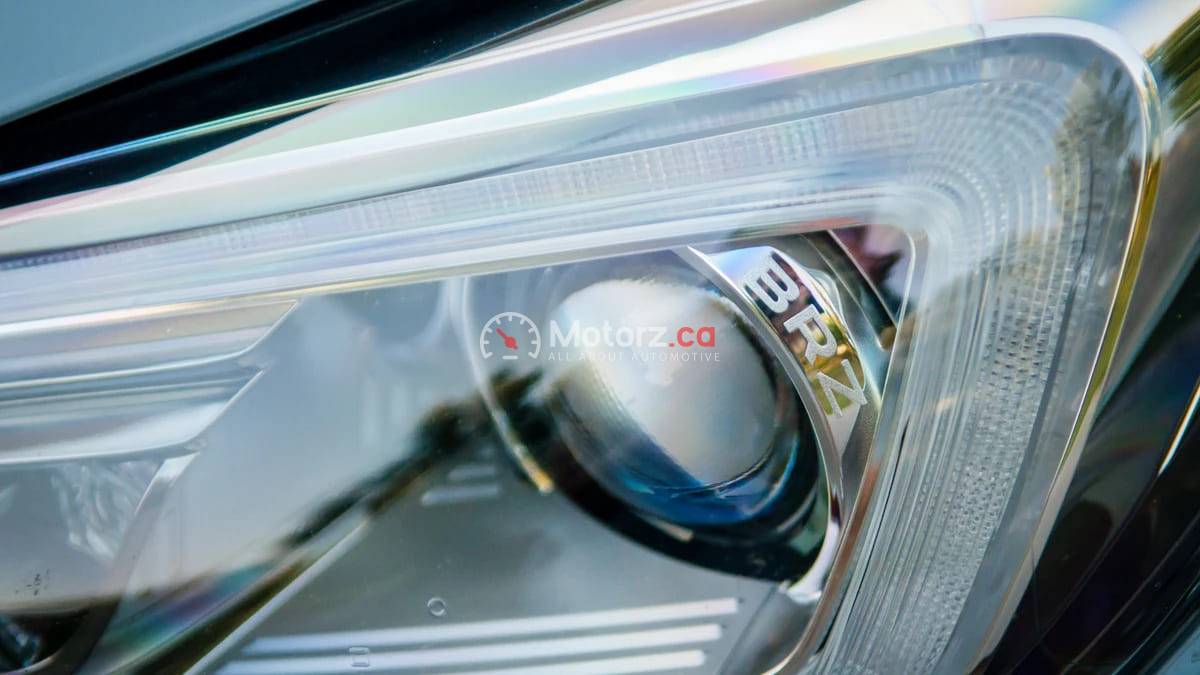
The Housing Factor: You should never put a high-powered LED or HID bulb into a “Reflector” housing that was designed for a halogen bulb. This creates massive amounts of glare. For the best (and safest) results, high-intensity upgrades should only be used in “Projector” housings (the ones that look like a glass marble).
Maintenance: Keeping the Lights Bright
Upgrading the bulbs is only half the battle. If your headlight lenses are cloudy, yellow, or oxidized, even the brightest LED in the world won’t help you see.
Headlight Restoration
Before buying new bulbs, look at your plastic lenses. If they aren’t crystal clear, use a headlight restoration kit to sand away the oxidation and apply a new UV-resistant clear coat. This simple maintenance step can improve light output by as much as 40 percent without even touching a wire.
Checking the Grounds
If your lights seem dim or “flicker” when you hit a bump, you might have a bad electrical ground. Check the wiring harnesses for corrosion, especially if you live in a “Salt Belt” province. A clean connection is just as important as a high-quality bulb.
A Clear Vision for 2026
Upgrading your car’s lighting is one of the most effective ways to modernize your vehicle and improve your safety. By starting with your low beams, choosing the right technology for your housing, and ensuring everything is properly aimed, you transform your nighttime driving experience.
Remember: seeing the road is important, but being seen by others is just as vital. Keep your lenses clear, your bulbs bright, and your “Corner Wrench” ready for action.