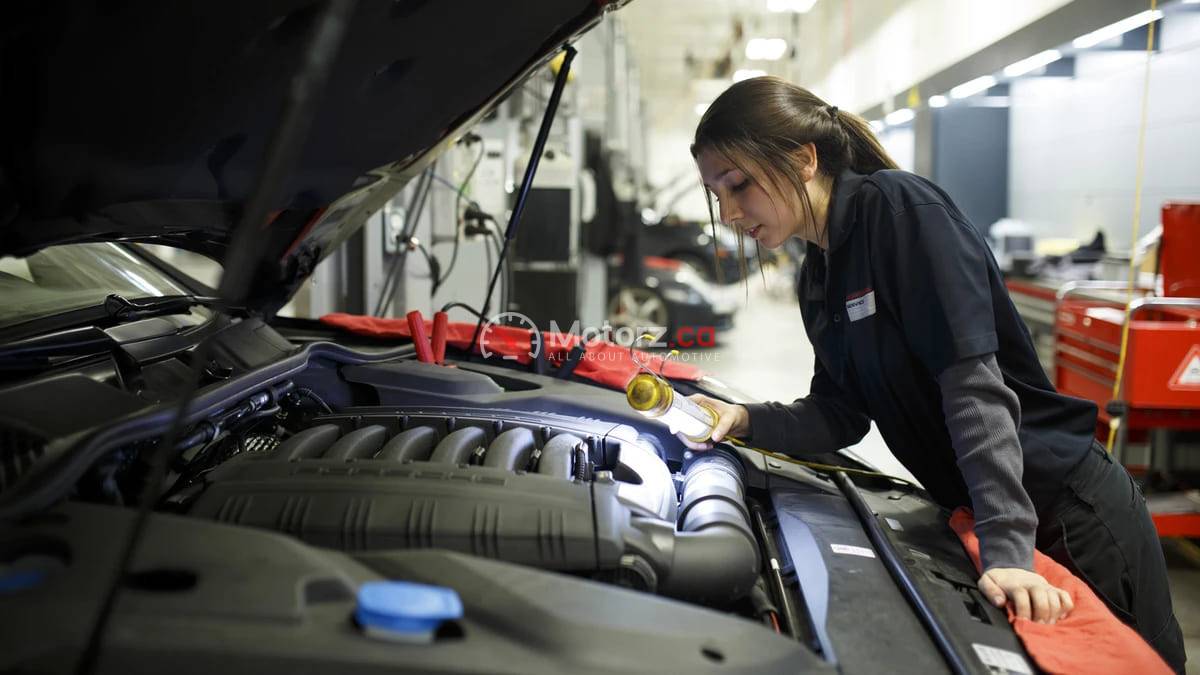
We have all seen the colorful banners outside Car Inspections from Vancouver to Halifax: “Free Multi-Point Inspection with Every Oil Change!” or “Complimentary Spring Safety Check!” On the surface, it sounds like the ultimate win for a car owner. In a world where a specialized diagnostic can cost 150 just to plug in a scanner, getting a professional mechanic to look over your vehicle for zero “out-of-pocket” cost feels like a gift.
But in the world of “The Corner Wrench,” we know that nothing in the automotive industry is truly free. There is always a cost—whether it is your time, your trust, or a looming 2,000 estimate for “urgent” repairs you didn’t know you needed.
So, should you take advantage of these free inspections? The answer isn’t a simple yes or no. It is about understanding the “why” behind the offer and learning how to separate genuine safety concerns from aggressive sales tactics. Today, we are pulling back the curtain on the free inspection business model and teaching you how to use these offers to your advantage without falling into the “upsell” pitfall.
The Car Inspections: Why Shops Offer Inspections
To navigate a free inspection, you first have to understand why the shop is offering it. Dealerships and large chain shops aren’t charities; they are businesses with high overhead.
The “Loss Leader” Strategy
In marketing, a “loss leader” is a Car Inspections provided at a loss to get a customer through the door. A free inspection is the ultimate loss leader. By offering a complimentary check, the shop earns the opportunity to “find” work. It is much easier to sell a set of brake pads or a coolant flush when the car is already on the hoist and the wheels are off.
Building the Service Pipeline
A free inspection helps a shop build a future schedule. Even if you don’t buy anything today, the shop creates a “deferred maintenance” list in their computer. Three months from now, they will call you and say, “Remember when we noticed your serpentine belt was starting to crack during your free inspection? We have a special on belts this week.”
The Anatomy of a Multi-Point Inspection (MPI)
What actually happens during these checks? Most 2026 service centers use a “Traffic Light” system (Green, Yellow, Red) to communicate the health of your vehicle.
The “Green” Zone: Peace of Mind
This covers the basics: fluid levels, tire pressure, and lights. If most of your report is green, the inspection has served its purpose—it has given you the confidence that your vehicle is roadworthy for that upcoming trip to the cottage or a long commute.
The “Yellow” Zone: The Grey Area
Yellow items are “monitored” issues. This might include brake pads that have 4mm of life left or a battery that is starting to show a slightly lower voltage. This is where most of the “upselling” happens. A shop might try to convince you to fix it now to “save time later,” even if the part has another six months of safe use.
The “Red” Zone: Genuine Safety Issues
Red items are non-negotiable. If a technician finds a leaking brake line, a broken coil spring, or a tire with a bulging sidewall, the free inspection has potentially saved your life. At Motorz, we believe this is the true value of the service—identifying catastrophic failures before they happen.
How to Spot a Predatory Inspection
Not all free inspections are created equal. Lorraine Complains frequently about shops that use these offers to prey on drivers who may not be mechanically inclined.
The “Dirty Fluid” Trick
A common tactic involves the technician showing you a drop of your transmission or power steering fluid on a white paper towel. “Look how dark it is,” they’ll say. “It needs a flush.”
The Reality: Many modern fluids turn dark very quickly but still maintain their chemical protection. Unless the fluid smells “burnt” or contains metal flakes, a color change alone isn’t always a reason for an immediate 200 flush.
The Aggressive “Fear Sell”
If a service advisor tells you that your car is “unsafe to drive” because of a minor seep in a shock absorber or a slightly worn cabin air filter, they are using fear to bypass your logic. A reputable shop will explain the risk without making you feel like the car is going to explode on the way home.
Maximizing the Value: The “Corner Wrench” Strategy
You can absolutely benefit from free inspections if you follow a few simple rules of engagement.
Ask for the Photo or Video Evidence
In 2026, almost every major dealership uses digital inspection tools. They should be able to text or email you photos or a short video of the technician pointing at the specific problem. If they say your “ball joints are shot” but can’t show you the “play” in the joint on video, be skeptical.
Get a Second Opinion for Large Repairs
If a free inspection turns up a 1,500 repair bill, thank them for the information, take the written report, and leave. Bring that report to your trusted independent mechanic (your local Corner Wrench). Often, the independent shop will look at the same part and tell you, “It’s starting to wear, but you have at least another year.”
Use It for the “Paper Trail”
Free inspections are great for your vehicle’s resale value. Keeping a folder of these “Green” reports proves to a future buyer that you were a proactive owner who had the car professionally checked multiple times a year.
Should You Say Yes?
Should you take advantage of free inspections? Yes, but with your eyes wide open.
Accept the information: Use the free labor to get a “health check” on your vehicle.
Reject the pressure: You are under no obligation to have the repairs done at that specific shop just because the inspection was free.
Verify the findings: Always ask for visual proof and compare the recommendations against your owner’s manual maintenance schedule.
At Motorz, we view car maintenance as a partnership between the owner and the technician. A free inspection is a great conversation starter, but you are the one in the driver’s seat. Use the data to stay safe, but use your common sense to stay on budget.