As the frost finally retreats and the days Driving Safety, the call of the open road becomes irresistible. Whether you are planning a cross-country family road trip or simply commuting through the city, summer presents a unique set of challenges for your vehicle. We often focus on winterizing our cars to survive the snow, but extreme heat can be just as brutal on your engine, tires, and cooling system.
In the world of “The Corner Wrench,” summer is our busiest season for preventable breakdowns. We see everything from “boiled” engines to shredded tires—issues that could have been avoided with an hour of preparation. In 2026, with record-breaking temperatures becoming the new normal, your car’s ability to shed heat is its most critical safety feature.
At Motorz, we want to ensure your summer memories are made at the beach, not on the shoulder of a highway. Today, Lorraine Explains the essential steps to get your vehicle ready for another summer of safe driving. From checking your AC’s health to understanding how pavement temperature affects your rubber, here is your definitive summer prep checklist.
The Cooling System: Your Driving Safety Life Support
While your air conditioning keeps you Driving Safety, your engine’s cooling system keeps the car alive. When the outside temperature hits 30 centigrade, the environment under your hood can exceed 100 centigrade.
Check the Coolant Levels and Quality
Coolant (antifreeze) does more than prevent freezing; it raises the boiling point of the water in your radiator. Over time, coolant becomes acidic and loses its protective properties. If your coolant looks brown or murky, it is time for a flush.
Pro Tip: Never open a radiator cap when the engine is hot. The system is under immense pressure, and escaping steam can cause severe burns. Check the levels at the transparent overflow reservoir instead.
Inspecting Hoses and Belts
High heat causes rubber to become brittle. Squeeze your radiator hoses (when the engine is cool); they should feel firm but flexible. If they feel “crunchy” or excessively soft, they are at risk of bursting under summer pressure. Similarly, check your serpentine belt for cracks or fraying. If that belt snaps, your water pump stops, and your engine will overheat in minutes.
Tire Health: Where the Rubber Meets the (Hot) Road
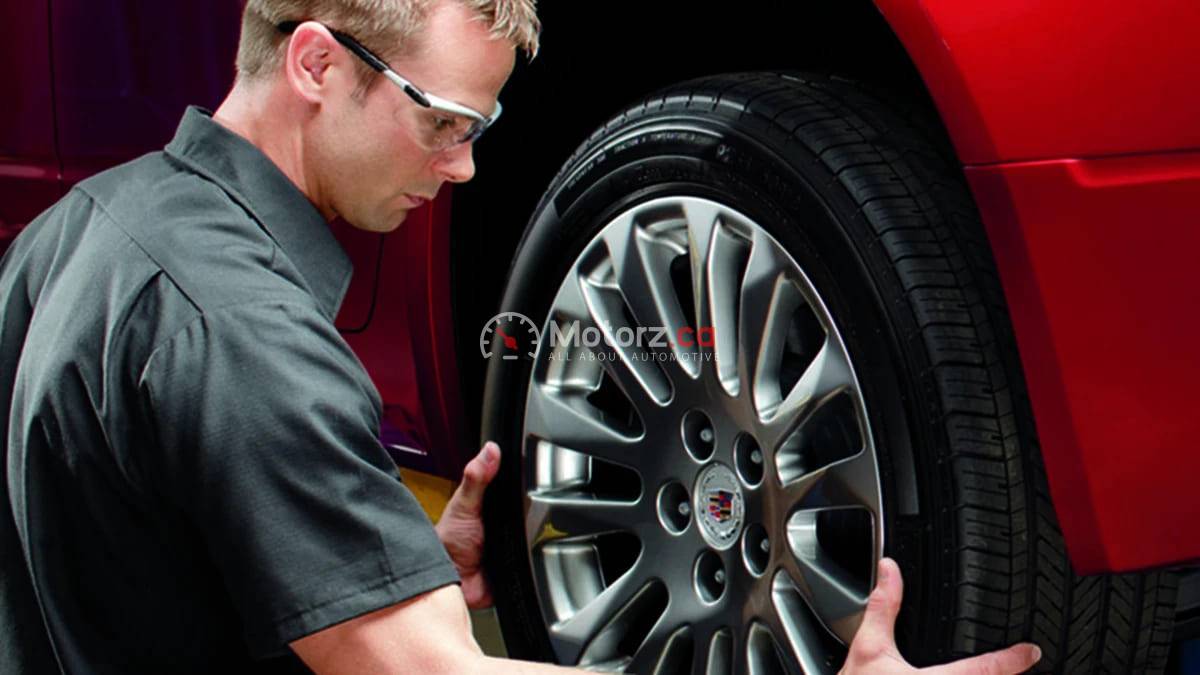
Tires are the only thing connecting your vehicle to the pavement. In the summer, road surfaces can reach temperatures of 60 centigrade or higher, which accelerates wear and increases the risk of a blowout.
The Pressure Paradox
Air expands when it gets hot. For every 10-unit change in temperature, your tire pressure can change by 1 to 2 PSI. A tire that was perfectly inflated in April might be dangerously over-inflated by July.
Action Item: Check your tire pressure in the morning before you drive. Use the PSI numbers listed on the sticker inside your driver-side door. Correct pressure ensures a larger “contact patch,” which improves braking and handling.
Tread Depth and Summer Rain
Summer is the season of sudden, heavy thunderstorms. If your tires are worn down to the “wear bars,” you are at high risk of hydroplaning. Water cannot escape through the grooves, causing the tire to lift off the road and glide on a thin film of water. If your tread is below 3 millimeters, it is time for a new set of rubber before the summer rains hit.
Battery Stress: The Silent Heat Killer
Most people think of batteries failing in the winter, but heat is actually a battery’s worst enemy. High temperatures accelerate the internal chemical reactions and cause the liquid electrolyte inside the battery to evaporate.
Testing for Heat Damage
Heat causes internal corrosion that hinders the flow of current. If your engine is cranking slowly on a hot afternoon, your battery is likely on its last legs.
The Corner Wrench Wisdom: Most car batteries last between 3 and 5 years. If yours is in that window, have a technician perform a “load test” before you head out on a long trip. It is much easier to replace a battery in your driveway than at a crowded rest stop.
Air Conditioning and Cabin Comfort
A broken AC system isn’t just a comfort issue; it’s a safety issue. Driving in a 40-centigrade cabin leads to fatigue, slower reaction times, and irritability—none of which are good for road safety.
The Cabin Air Filter
If your AC feels weak or smells musty, the first thing to check is the cabin air filter. This filter traps pollen, dust, and debris. During the spring, it often gets clogged with “fluff” from trees. Replacing this filter (usually located behind the glove box) can instantly restore airflow and keep your cabin air fresh.
Recharging the System
If the air coming out of the vents is lukewarm, you may have a small leak in the refrigerant lines. Modern 2026 systems use specific refrigerants that should only be handled by professionals to ensure the correct pressures are maintained and no environmental damage occurs.
Visibility and Summer Hazards
Summer driving brings unique visibility challenges, from the blinding glare of the afternoon sun to the “bug graveyard” on your windshield.
Wiper Blades and Fluid
Winter ice often tears the delicate rubber edge of your wiper blades. If they are streaking, replace them now. You also need a summer-blend washer fluid that is specifically designed to dissolve bird droppings and baked-on bug guts.
Managing Sun Glare
Invest in a high-quality pair of polarized sunglasses. They cut through the “shimmer” on the road surface and help you see clearly through the glare reflecting off other cars’ chrome and glass. Also, keep your interior windshield clean; a film of dust on the inside of the glass can turn sun glare into an opaque white wall.
The Summer Emergency Kit
Even a well-maintained car can have an off day. Your summer emergency kit should look different than your winter one.
Water: Keep at least four liters of water for passengers and two liters of distilled water for the radiator.
Sun Protection: Extra sunscreen and a wide-brimmed hat in case you have to wait for a tow truck in an unshaded area.
Portable Power: A charged power bank for your phone.
Light: A flashlight with extra batteries (heat can drain batteries even when not in use).
Your Summer Safety Checklist
At Motorz, we want you to enjoy every kilometer of the sunny season. By following this checklist, you are taking proactive steps to ensure your vehicle is as ready for the heat as you are.
Flush the cooling system if the fluid is more than two years old.
Check tire pressure monthly to account for heat expansion.
Load test your battery if it is over three years old.
Replace your cabin air filter for maximum AC efficiency.
Switch to summer washer fluid to keep your vision clear.
Inspect belts and hoses for heat-related cracks or soft spots.
Preparation is the key to a stress-free summer. Take care of your car now, and it will take care of you when the temperature climbs. Safe travels and enjoy the sunshine!