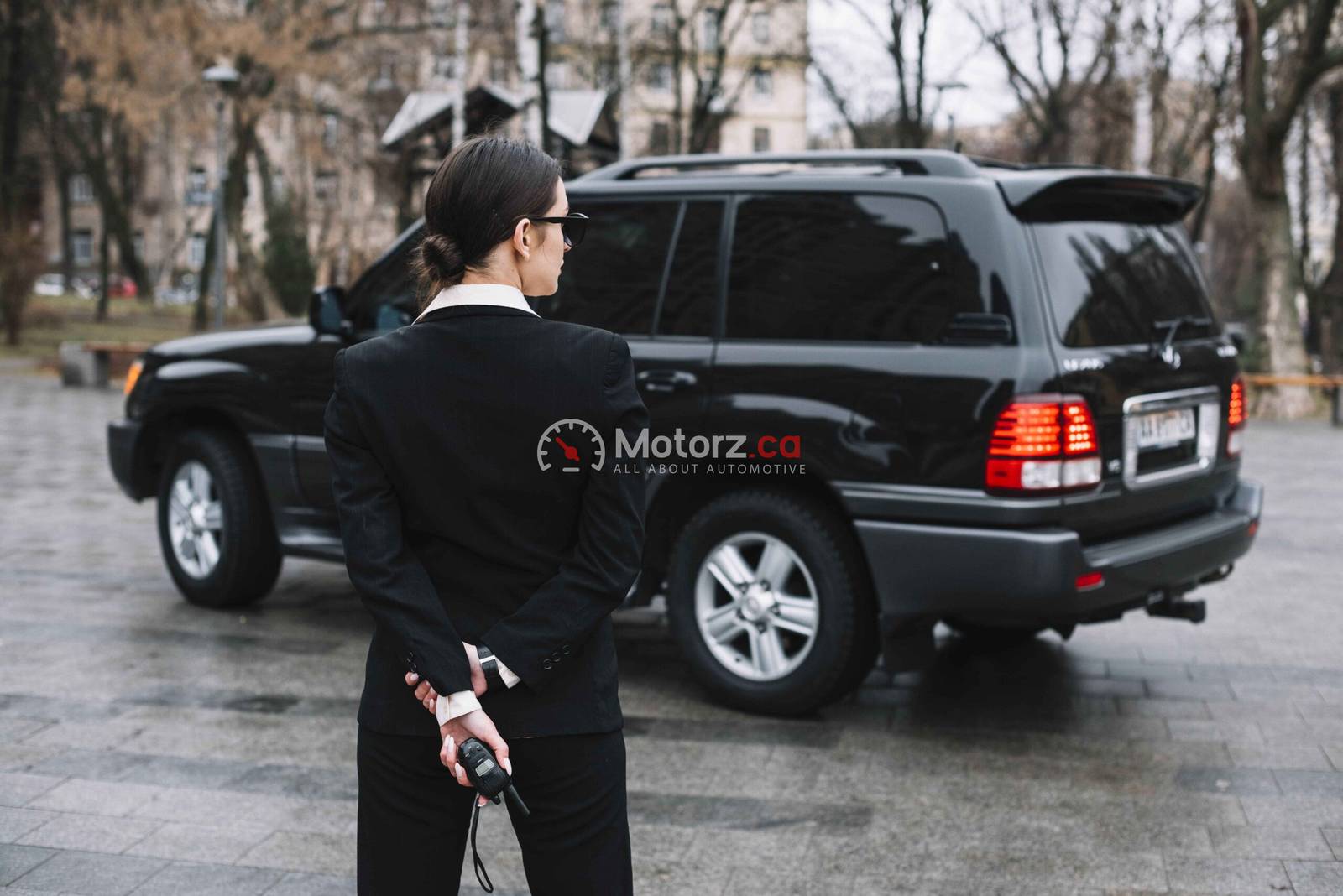
The image of a Ottawa Police Auction is often cinematic: a dusty warehouse, a fast-talking auctioneer, and the chance to snag a high-value item—perhaps a luxury car or a classic muscle car—for a mere fraction of its market value. The rumour mill is always churning with stories of incredible deals secured on seized cars or unclaimed property from the Ottawa Police Service (OPS).
For residents of the Ottawa Police Auction Region looking for a truly unique and potentially low-cost alternative to buying from a traditional used car dealership, the idea of an Ottawa police vehicle auction is irresistibly appealing. But is it a true hidden market, or is the reality a little more complicated?
This comprehensive guide will cut Ottawa Police Auction the myths surrounding police auctions in Ottawa, detail the process of buying an unclaimed or seized vehicle, and equip you with the knowledge needed to enter the bidding war with confidence. Spoiler alert: you can find a deal, but the process is far more strategic and less dramatic than what you see on TV.
Understanding the Ottawa Police Auction Landscape
The first step in capitalizing on police auctions is understanding that the OPS does not typically host its own massive, one-off live events for vehicles. Instead, modern police services in Ontario, including Ottawa, manage the sale of unclaimed or seized Ottawa Police Auction, including cars, through partnerships with established, professional auction houses and government surplus programs.
Where Do Ottawa’s Unclaimed Vehicles Go?
When a vehicle is towed, impounded, or seized by the OPS (often due to being abandoned, involved in a crime, or under the Vehicle Impoundment Program/VIP), the owner has a limited time to claim it. If the property remains unclaimed, it may be sold off.
The Ottawa Police Service utilizes the Ottawa Police Auction of third-party auction houses and government surplus organizations for disposal of unclaimed property. This is a crucial distinction: you are bidding through a reputable commercial entity, not directly with the police in a back-lot scenario.
Key Auction Channels: While the specific partner can change, the types of entities used include:
Commercial Auto Auction Houses: Large-scale auctions that handle dealer trade-ins, fleet vehicles, and sometimes police inventory (e.g., ADESA, Ottawa Police Auction, IAA, which have locations near Ottawa/in the region).
Government Surplus Websites: Federal or provincial platforms (like GCSurplus) that sell off excess or unclaimed government property, which can sometimes include police vehicles (like cruisers or trucks being retired from service, not necessarily “seized cars”).
Local Auctioneers: The OPS also partners with local Ottawa Police Auction (like Rideau Auctions, as used by other regional police services for general property) for the sale of general seized/unclaimed property (electronics, jewellery, bicycles), which may occasionally include vehicles.
The Difference Between “Seized” and “Surplus”
When hunting for a vehicle, it’s important to know the source:
Vehicle Type Origin Typical Condition & Risk
Seized/Unclaimed Impounded due to Ottawa Police Auction, abandonment, or legal violation. Unknown history, may have been damaged during seizure or sitting idle for long periods; titles can be complex (e.g., salvage).
Police Surplus Old patrol cars, unmarked units, or administrative vehicles retired from the OPS fleet. High mileage, heavily used, but regularly maintained on a strict schedule. Generally come with a clean title.
Export to Sheets
Most of the cars that represent the true “Ottawa Police Auction” potential are the unclaimed/seized vehicles, but they carry the highest risk due to their questionable history and condition.
How to Find and Register for Ottawa Police Auctions
Since the OPS uses third parties, your successful buying strategy relies on monitoring the right commercial sites. The term “Ottawa Police Auction” is more of a search keyword than a specific, permanent event location.
Monitoring the Key Platforms
To find a seized car for sale in Ottawa Police Auction, you must regularly check the inventory of the main auctioneers in the region who handle large volumes of fleet and recovered vehicles.
Commercial Auto Auctioneers
Platforms like Copart or IAA often list Ottawa Police Auction by their title type (salvage, clean) and sometimes their seller (often listed as a general “police department,” “towing company,” or “government agency” in the Ottawa region). These are 100% online auctions.
Action Step: Search the Ottawa, ON, location pages on these sites and filter by “Government/Police” seller, if available, or look for vehicles with “Impound” or “Seized” notes in the listing.
Government Surplus
Check the federal GCSurplus website for any vehicles being sold out of the Ottawa-Gatineau region. While these are usually retired government fleet Ottawa Police Auction (like old trucks or office cars), they represent a high-value, low-risk alternative to seized vehicles.
Action Step: Filter the GCSurplus database for “Cars and light trucks” and check the location for Ottawa or surrounding military/government sites.
Registration and Fees
To bid at any of these commercial auctions, you must register. This process often involves:
Membership: Many online auction platforms Ottawa Police Auction a membership fee (Basic or Premier tiers) to unlock bidding privileges, which may range from $70 to over $250 CAD annually.
Deposit: You may be required to place a refundable security deposit before bidding, especially on higher-value vehicles.
Dealer License: Be aware that some auctions, or specific dealer-only lanes, may require you to have an Ontario dealer license. Ensure you are bidding in a lane accessible to the public.
The Critical Inspection: Why It’s Not Like a Dealership
The biggest challenge—and the source of the steepest discounts—is the general rule of “as-is, where-is” bidding. When you buy a police seized car, you are buying it with all its existing flaws, known and unknown.
The “As-Is, Where-Is” Warning
Unlike a used car from a reputable dealer, vehicles from an auction are sold without any warranty, history reports, or guarantee of mechanical condition. This is especially true for vehicles impounded after a crime or sitting for months in a tow Ottawa Police Auction.
Hidden Damage: A seized vehicle might have been damaged during a police chase, suffer from neglect (dead battery, flat tires, rusted brakes), or have a non-obvious mechanical issue.
No Test Drives: It is extremely rare to be allowed to start the engine, let alone test-drive, an auction vehicle. You usually only get a visual inspection during a scheduled viewing period.
Your Inspection Strategy
If the auction house offers a public Ottawa Police Auction day—you must attend. Bring a trusted mechanic friend and a checklist.
Examine the Body: Look for obvious signs of collision damage, body filler, or excessive rust underneath the car.
Interior Check: Check for water damage (damp carpets, musty smell) which suggests a leak. Look for evidence of pests (chewed wiring, droppings).
Mechanical Basics (Visual Only): Check fluid levels (dipsticks), look for any visible leaks on the ground or the engine block, and inspect the tires.
VIN Check: Obtain the Vehicle Identification Number (VIN) and run an independent report (e.g., CarFax) before bidding. This report is your best defence against buying a car with a hidden salvage title, major accident history, or outstanding liens.
Bidding and Winning: What to Expect in Price
The goal is to get a steal—but what does that look like in the context of a police car auction?
The Price Factor: Deals vs. Market Value
The best deals are often found on vehicles that require some work but are fundamentally sound. While you won’t regularly find a perfect 2-year-old SUV for 50% off, discounts of 15% to 30% below market value are achievable, especially when others are spooked by a high-risk history.
Low Opening Bids: Auction houses often start the bidding extremely low (sometimes $0 or $100 CAD) to generate interest. Do not be fooled—the final price will almost always reflect the vehicle’s true wholesale value.
The Fees are Real: Factor in the significant auction house fees, administrative fees, and taxes before determining your maximum bid. These fees can easily add $500 to $1,000+ to the final price.
Post-Auction Logistics and Costs
Once you win the bid, the clock starts ticking, and new costs emerge:
Immediate Payment: You typically have only one or two business days to complete the full payment. Failure to pay often results in the loss of your deposit and potential ban from future auctions.
Towing Costs: Since you cannot rely on the vehicle being roadworthy, you must arrange for it to be towed from the auction lot, incurring local towing services in Ottawa fees. The auction house is not responsible for moving your vehicle.
Safety Standards Certificate (e-test): In Ontario, a vehicle must pass a Safety Standards Certificate (SSC) inspection before you can legally register it and purchase plates. If the seized car fails, you are responsible for all repairs.
Case Study: The High-Mileage Police Cruiser
If you are looking for a reliable workhorse and not a seized sports car, consider the police surplus vehicle.
The Ottawa Police often use heavily-built, powerful sedans (historically Ford Crown Victorias, now often Dodge Chargers or Ford Explorers). When these are sold as surplus, they come with high mileage—sometimes 200,000+ km—but offer unique advantages:
Maintenance: They have been maintained rigorously by the police fleet mechanics.
Heavy-Duty: They feature heavy-duty components like stronger brakes, suspension, and cooling systems designed for demanding use.
Value: They are often sold at a very low wholesale price due to the high mileage, making them an excellent budget option for someone who needs a reliable, no-frills vehicle and isn’t afraid of a few extra kilometres.