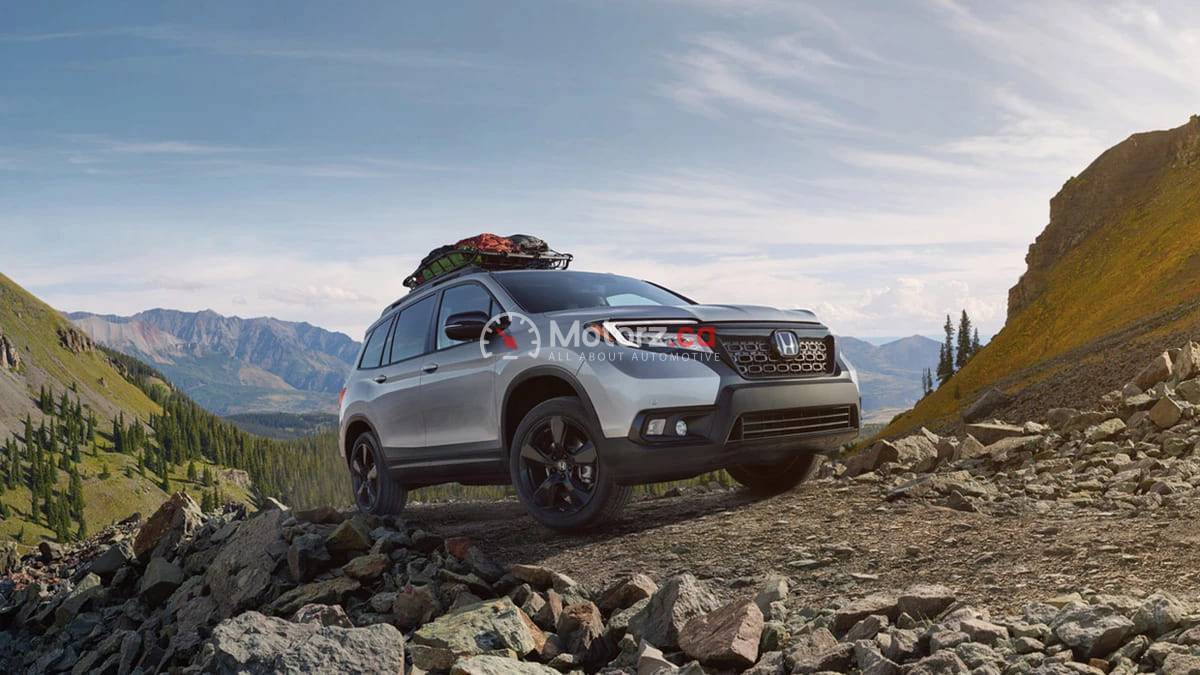
Walk into any Favorite Vehicle or browse an online automotive catalog, and you will be met with a dizzying array of modifications, accessories, and upgrades. From rugged bull bars and towering lift kits to sleek electronic plug-ins and heavy-duty bed liners, aftermarket add-ons promise to transform your vehicle into a personalized, high-performance machine. It is easy to get swept up in the excitement of making your vehicle truly yours.
However, in the service bays at “The Corner Wrench,” we see the unintended consequences of these upgrades every single day. The accessories that look incredible in a catalog or showroom can often trigger a cascading chain reaction of mechanical failures, electrical nightmares, and safety compromises. In 2026, as modern vehicles rely more heavily than ever on sensitive sensors, advanced driver-assistance systems, and complex electrical architectures, the margin for error with aftermarket modifications has completely vanished.
At Motorz, we love customization as much as anyone, but we prioritize your safety and financial well-being above all else. Today, Lorraine Explains the hidden structural, electrical, and legal issues that common vehicle add-ons can create. Here is what you need to know before you sign the invoice or pick up a wrench.
Favorite Vehicle: The Nightmare of Aftermarket Electronics
Modern cars, trucks, and SUVs are essentially computers on wheels. They operate on a complex network called a CAN bus (Controller Area Network), which allows everything from your window switches to your engine management system to communicate. Splicing an unverified accessory into this network is playing with fire.
Remote Starters and Alarm Systems
An incorrectly installed aftermarket remote starter or security system is one of the most common causes of phantom battery drains and intermittent stalling. If a technician cuts into the wrong wiring harness or uses poor grounding techniques, it can introduce electrical “noise” into the vehicle’s computer system. This can lead to random warning lights on your dashboard, windows that roll down on their own, or a vehicle that completely refuses to start on a freezing winter morning.
High-Draw Lighting and Audio Upgrades
Adding a massive LED light bar to your truck or a heavy-hitting subwoofer system to your sedan might seem harmless, but your factory alternator and battery were engineered to handle a very specific electrical load. Exceeding this capacity can cause your headlights to flicker, your infotainment system to crash, and your alternator to wear out prematurely. Without proper fuses and relays, these high-draw accessories can easily overheat your wiring, creating a genuine fire hazard under the hood.
Mechanical Strain: When Accessories Fight Your Drivetrain
Your vehicle’s engine, transmission, suspension, and brakes are engineered to work in perfect harmony. When you alter one variable with an aggressive add-on, you place unexpected stress on the surrounding components.
Oversized Wheels and Heavy Off-Road Tires
Swapping out your stock factory wheels for massive rims or heavy, aggressive mud tires completely alters the physics of your drivetrain.
Suspension Wear: The added rotational weight places immense strain on your wheel bearings, ball joints, and tie-rod ends, causing them to fail prematurely.
Brake Fade: Your factory brakes were not designed to stop that much extra mass. You will experience longer stopping distances and accelerated brake pad wear.
Transmission Stress: Your transmission has to work significantly harder to get those heavy wheels moving, which leads to increased heat buildup—the number one killer of automatic gearboxes.
Engine Tuners and Performance Chips
The promise of instant horsepower and improved fuel economy from a simple plug-in electronic tuner is incredibly seductive. However, these devices usually work by overriding factory safety parameters, such as increasing turbocharger boost pressures or altering fuel injection timing beyond safe limits. While you might get a temporary thrill when you step on the gas, you are drastically shortening the lifespan of your head gaskets, pistons, and turbochargers.
Compromised Safety: Interfacing with Airbags and ADAS
The most alarming problems created by vehicle add-ons are the ones that compromise your protection in a collision. Modern safety systems are highly calibrated, and even a minor physical obstruction can have devastating results.
Bull Bars and Grille Guards
A heavy steel bull bar on the front of a truck or SUV looks undeniably rugged. However, if that bar is not engineered perfectly for your specific vehicle, it can completely alter how your vehicle reacts in a crash.
Airbag Delays: Airbag sensors rely on specific deceleration forces to deploy. A rigid steel bar can absorb or delay that initial impact wave, causing your airbags to deploy too late—or not at all—during a severe accident.
Crumple Zone Interference: Your vehicle’s front end is designed to crumple and absorb energy, protecting the passenger cabin. A rigid structural add-on can bypass these crumple zones, transferring the violent force of the impact directly to you and your passengers.
Lift Kits and Advanced Driver-Assistance Systems (ADAS)
If your vehicle features adaptive cruise control, lane-keep assist, or automatic emergency braking, it uses cameras and radar sensors mounted behind the windshield or inside the front grille. Installing a suspension lift kit or changing the ride height changes the angle of these sensors relative to the road. Without a professional recalibration, your car may misjudge distances, fail to see a pedestrian, or slam on the brakes unexpectedly when passing a highway sign.
Accelerated Corrosion: The Hidden Rust Traps
For drivers navigating snowy winter roads or humid coastal environments, corrosion is a constant battle. Unfortunately, several popular exterior modifications act as perfect breeding grounds for rust.
Drop-In Plastic Bed Liners
While designed to protect your pickup truck’s bed from scratches, cheap plastic drop-in liners are notorious rust traps. They are not perfectly flush with the metal, which allows them to vibrate as you drive. This constant friction strips away your paint and primer. Rainwater, melted snow, and highly corrosive road salt slip beneath the plastic liner and pool on the bare metal, eating holes through your truck bed while remaining completely hidden from view.
Fender Flares and Stick-On Accent Trim
Aftermarket plastic fender flares give your truck a wide, aggressive stance, but they often rely on simple rubber seals or double-sided tape. Over time, road grit, dirt, and moisture get trapped between the plastic flare and your metal fender. The grit acts like sandpaper, grinding through the paint and allowing rust to take hold along your wheel arches.
The Financial Fallout: Voided Warranties and Resale Drop
Beyond the mechanical and physical hazards, aftermarket vehicle add-ons can deal a serious blow to your wallet when it comes to manufacturer warranties and long-term resale value.
The Truth About Voided Warranties
Many vehicle owners believe the myth that an aftermarket modification completely voids their entire vehicle warranty. Legally, a manufacturer cannot deny a warranty claim for a broken power window just because you installed an aftermarket exhaust.
However, if you install an engine tuner and your turbocharger blows up, the dealership has every right to deny the repair claim if they can prove the modification caused or contributed to the failure. In 2026, onboard vehicle computers keep meticulous logs of performance data, making it incredibly easy for manufacturers to spot aftermarket interference.
The Resale Value Myth
You might spend 5,000 units on a custom lift kit, specialized wheels, and a loud exhaust system, but that does not mean your vehicle is now worth 5,000 units more on the used car market. In fact, heavy modifications usually decrease your vehicle’s value. Most used car buyers look for clean, unmolested, factory-original vehicles because they fear the mechanical headaches that come with someone else’s DIY project.
Smart Customization Checklist
At Motorz, we don’t want to discourage you from personalizing your ride. We want you to do it safely and intelligently. Before you purchase any vehicle add-on, run through this simple protection checklist:
Prioritize Spray-In Protection: Opt for permanent spray-in bed liners over plastic drop-ins to prevent hidden rust.
Stick to High-Quality Brands: Buy from reputable manufacturers who crash-test their accessories and offer structural warranties.
Insist on Professional Recalibration: If you alter your vehicle’s ride height or front grille, ensure an expert recalibrates your safety cameras and radar systems.
Avoid Cutting Factory Wires: Use “plug-and-play” wiring harnesses that integrate cleanly without damaging your vehicle’s central computer network.
Keep Original Parts: Save your factory wheels, lights, and intake systems. If you decide to sell your vehicle down the road, returning it to stock form will help you get top market value.
Customizing your vehicle should be an enjoyable experience, not a fast track to the repair bay. By understanding the mechanical and electrical limits of your car or truck, you can choose upgrades that enhance your driving experience without compromising your safety.