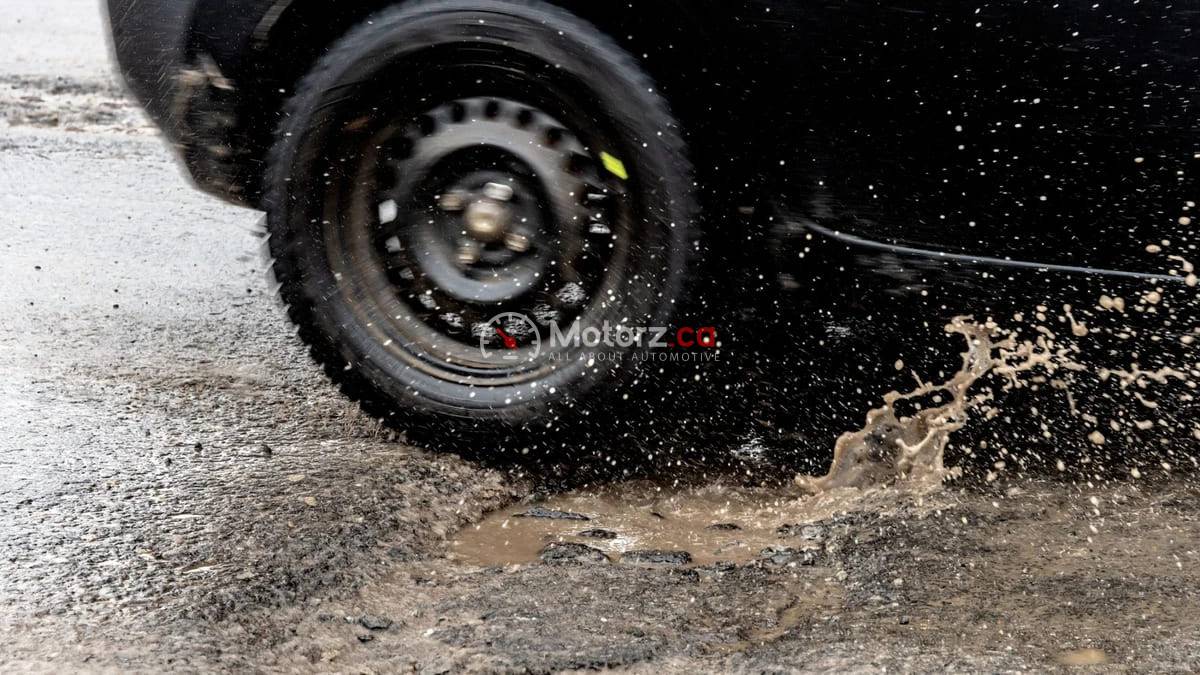
It is a sound every Protect Your Vehicle: the sudden, violent thud-clack of a wheel dropping into a deep crater in the asphalt. You feel it in your teeth, through the steering wheel, and deep in your stomach. In many parts of Canada and the United States, pothole season is a year-round battle, especially as changing climate patterns lead to more frequent freeze-thaw cycles that tear apart our roads.
As we navigate 2026, vehicles have become more sophisticated, but they have also become more vulnerable. With larger wheels, lower-profile tires, and complex sensors for semi-autonomous driving, a single encounter with a deep pothole can do far more than just pop a tire—it can throw off a vehicle’s entire electronic and mechanical equilibrium.
In this guide, we will break down exactly what happens to your car’s anatomy during a pothole strike and the specific steps you must take to minimize repair costs and stay safe on the road.
The Protect Your Vehicle: What Happens to Your Car?
When your tire hits a pothole, the suspension system is forced to compress and rebound at a speed it wasn’t designed for. This sends a shockwave through several key components of your vehicle.
Tires and Rims: The Front Line
The tire is your car’s primary shock absorber. When it strikes a sharp Protect Your Vehicle, the sidewall is pinched between the road and the metal rim.
Sidewall Bulges: This pinch can tear the internal structure of the tire, leading to a “bubble” or bulge. This is a ticking time bomb that can lead to a high-speed blowout.
Bent Rims: Modern aluminum alloy wheels are beautiful but brittle. A deep pothole can easily bend the lip of the rim, preventing it from holding air, or even crack the wheel entirely.
Suspension and Steering
Beneath the car, the struts, shock absorbers, and control arms act as the buffer. A severe strike can bend a tie rod or snap a coil spring.
Alignment Issues: Even if nothing breaks, the force of the impact can knock your wheels out of alignment. If your steering wheel is suddenly off-center or the car “pulls” to one side, your alignment has been compromised.
The 2026 Factor: ADAS Sensors
Many 2026 model-year vehicles are equipped with Advanced Driver Assistance Systems (ADAS). These rely on cameras and radar sensors that are calibrated to the vehicle’s exact geometry. A pothole strike that alters your alignment can actually “blind” or confuse these systems, leading to errors in lane-keeping assistance or emergency braking.
Immediate Steps: What to Do Right After the Hit
How you react in the first sixty seconds after hitting a pothole can determine the extent of the damage.
Find a Safe Spot to Pull Over
Do not immediately slam on the brakes in the middle of traffic. Check your mirrors, put on your hazards, and find a flat, safe area away from moving cars.
The Visual Inspection
Once parked, check all four tires—not just the one you think hit the hole. Look for:
Fresh cuts or gashes in the rubber.
Visible bends in the metal of the wheel.
Fluid leaking from the wheel well (which could indicate a blown strut or a broken brake line).
The “Hands-Free” Test
When you get back on the road, find a straight, flat stretch. Loosen your grip on the wheel slightly (but stay ready to grab it). If the car immediately drifts left or right, you need a professional alignment. Listen for new rattles, clicks, or humming noises that weren’t there before.
Dealing with Modern Low-Profile Tires
The trend toward larger 20-inch and 22-inch wheels in 2026 means there is less rubber “sidewall” to act as a cushion.
Why “Low-Pro” Tires Are at Risk
Low-profile tires look sleek, but they provide very little “give.” In a pothole strike, the impact energy is transferred almost entirely into the rim and the suspension. If you drive a vehicle with low-profile tires, you should be twice as vigilant about avoiding road defects.
Pressure Matters
Keeping your tires at the manufacturer-recommended pressure (check the sticker on your driver-side door jamb) is your best defense. An under-inflated tire will compress more easily, making a rim-shattering “pinch” much more likely.
Can You Get Reimbursed for Pothole Damage?
In many jurisdictions, the city or province is responsible for maintaining the roads. However, getting them to pay for your new tire or rim is a notoriously difficult process.
Document Everything
If you plan to file a claim with a municipality, you need evidence:
Photos of the Pothole: Take pictures of the hole itself, including landmarks to identify the location.
Photos of the Damage: Detailed shots of the tire, rim, or broken part.
Receipts: Keep every invoice from the repair shop.
The Police Report: In some cities, you must file a non-emergency police report or a “notice of claim” within a very short window (sometimes as little as 10 days).
Insurance vs. Out-of-Pocket
Most insurance policies cover pothole damage under “collision,” but your deductible might be higher than the cost of a single tire. Only file a claim if the damage is extensive, such as multiple blown tires and suspension failure.
Preventative Driving: Avoiding the Hit
The best way to handle a pothole is to never hit it in the first place.
Don’t Tailgate: Giving yourself space allows you to see the road surface ahead. If the car in front of you swerves, you’ll have time to react.
Watch the Puddles: In the spring, a puddle is often just a pothole filled with water. Never drive through a puddle if you can safely avoid it.
Brake Before, Not During: If you cannot avoid a pothole, slow down as much as possible before you reach it. Release the brakes right before you hit the hole. This allows the suspension to “unload” and use its full travel to absorb the impact. If you hit the hole with the brakes locked, the suspension is stiff and far more likely to break.
Vigilance is Your Best Tool
Potholes are an inevitable part of driving, but they don’t have to be a financial disaster. By understanding the mechanical stress they put on your vehicle—especially on modern 2026 tech—and knowing how to inspect for “hidden” damage like sidewall bulges and sensor misalignment, you can keep your car on the road and out of the shop.
Be proactive, document the damage, and always trust your “gut” when the car starts feeling or sounding different after a big hit.