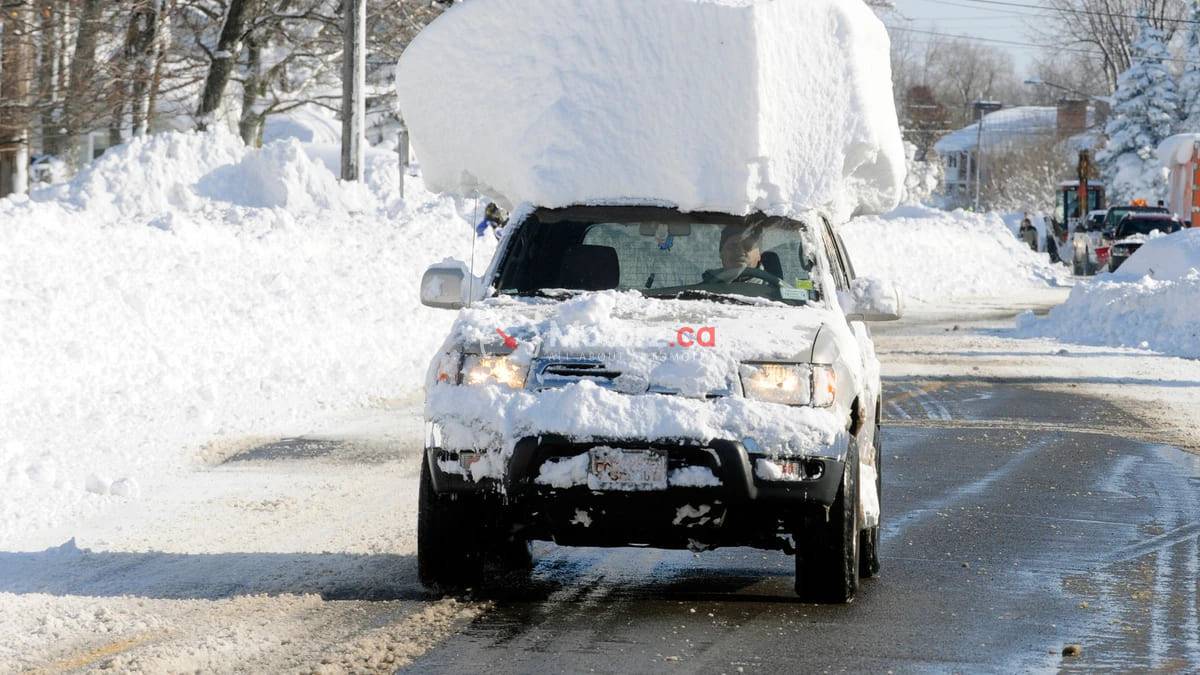
When the first snow Winter Maintenance, most drivers follow a familiar mental checklist: switch to winter tires, top up the sub-zero washer fluid, and check the battery health. We focus on the parts of the car that touch the road or start the engine. However, there is one massive surface area that is almost always ignored until it becomes a safety or financial liability—the roof.
Neglecting your vehicle’s roof during a North American Winter Maintenance is a gamble. From the legal repercussions of “flying snow” to the mechanical stress of ice damming in panoramic sunroofs, the top of your car requires specific care to survive the freeze-thaw cycles of a modern winter.
In this comprehensive guide, we will explore why a clean roof is a legal requirement, how to protect your paint from road salt, and the specific 2026 technologies that make roof maintenance more critical than ever.
The Physics of the Winter Maintenance: Why Clearing Your Roof is Mandatory
It happens every winter: a driver clears their windshield but leaves a six-inch “mohawk” of snow on the roof. As the cabin warms up, a thin layer of water forms between the metal and the ice. The moment that driver hits highway speeds or slams on the brakes, that slab of snow becomes a projectile.
The Blindness Effect
If you brake suddenly, the entire sheet of snow from your roof can slide forward onto your windshield. Your wipers, designed for rain and light flurries, will be pinned down by hundreds of pounds of heavy, wet snow. In an instant, you are driving a multi-ton vehicle with zero visibility.
The Hazard to Others
On the highway, wind lift can catch a sheet of ice from your roof and hurl it into the following vehicle. This is often called a “snow missile.” It can shatter windshields, dent hoods, and cause multi-car pileups. In many jurisdictions, including Ontario, Quebec, and several Northeast U.S. states, police can issue significant fines for failing to clear your roof, regardless of whether an accident occurs.
Protecting the Paint: The Chemical Battle on Your Roof
We often think of road salt as an underbody problem, but it is an atmospheric one as well. “Salt spray” from the vehicles in front of you creates a fine mist that settles on your roof and stays there for months.
How Salt Damages Clear Coat
Road salt is hygroscopic, meaning it attracts and holds moisture. When salt sits on your roof, it traps water against the clear coat. During the day, the sun warms the dark metal of the roof, causing the salt to eat into the protective finish. By spring, you may notice “etching” or a dullness in the paint that cannot be washed away.
The Wax Shield
Before the first snow hits, the best defense for your roof is a high-quality synthetic sealant or a ceramic coating. Unlike traditional Carnauba wax, which can break down in extreme cold, synthetic sealants create a cross-linked polymer chain that prevents salt from bonding to the paint molecules.
Modern Vulnerabilities: Panoramic Sunroofs and Shark Fin Antennas
As we move through 2026, car designs have changed. Modern roofs are no longer just flat sheets of steel; they are complex assemblies of glass, seals, and electronics.
The Panoramic Sunroof Trap
Panoramic glass roofs are beautiful, but they are vulnerable to “ice damming.” When snow melts on the glass and runs into the seals, it can freeze overnight and expand. This expansion can pinch rubber seals or even crack the plastic tracks of the sunroof mechanism.
Maintenance Tip: Before winter, wipe down your sunroof seals with a silicone-based lubricant. This prevents ice from sticking to the rubber and keeps the seals pliable in sub-zero temperatures.
Shark Fin Antennas and ADAS Sensors
Many 2026 vehicles house GPS, cellular, and even some driver-assist sensors in the “shark fin” antenna on the rear of the roof. If you use a heavy, plastic-edged snow shovel to clear your roof, you risk snapping this antenna or scratching the sensor covers. Always use a foam “Snow Joe” or a soft-bristled brush to clear around these delicate electronics.
The Hidden Threat: Clogged Drain Holes
Every car with a sunroof or a roof rack has a network of hidden drainage tubes. These tubes carry rainwater from the roof channels down through the pillars and out beneath the car.
The Winter Clog
During autumn, leaves and pine needles often settle in these channels. When winter arrives, this organic debris mixes with slush and freezes solid, acting like a cork.
The Result: When the snow on your roof melts, the water has nowhere to go. It backs up and eventually leaks into the interior of your car. If you notice damp carpets or a “musty” smell in February, the culprit is almost always a clogged roof drain.
The Fix: Open your sunroof and look for the small holes in the front corners of the tray. Use a piece of flexible weed-whacker line to gently poke through any debris before the deep freeze sets in.
Roof Racks and Cargo Boxes: The Salt Traps
If you leave your ski racks or crossbars on all winter, you are creating “micro-climates” for rust.
Under-Bracket Corrosion
Salt and moisture get trapped between the rubber feet of the roof rack and the paint of the car. Because this area never dries out and is rarely washed, it becomes a hotspot for corrosion.
Expert Tip: If you aren’t using your rack every week, take it off. If you must keep it on, make sure to direct a high-pressure hose under the mounting brackets during your weekly car wash to flush out the salt brine.
A Top-Down Approach to Winter Safety
Winter vehicle care is about more than just what happens at eye level. By taking the extra three minutes to clear your roof every morning, you are protecting your visibility, your legal standing, and the safety of everyone behind you.
Furthermore, by treating your roof with a sealant and keeping your drainage channels clear, you are preventing the silent, expensive damage caused by salt etching and interior leaks. This winter, remember that the “top” of your maintenance list should literally be the top of your car.