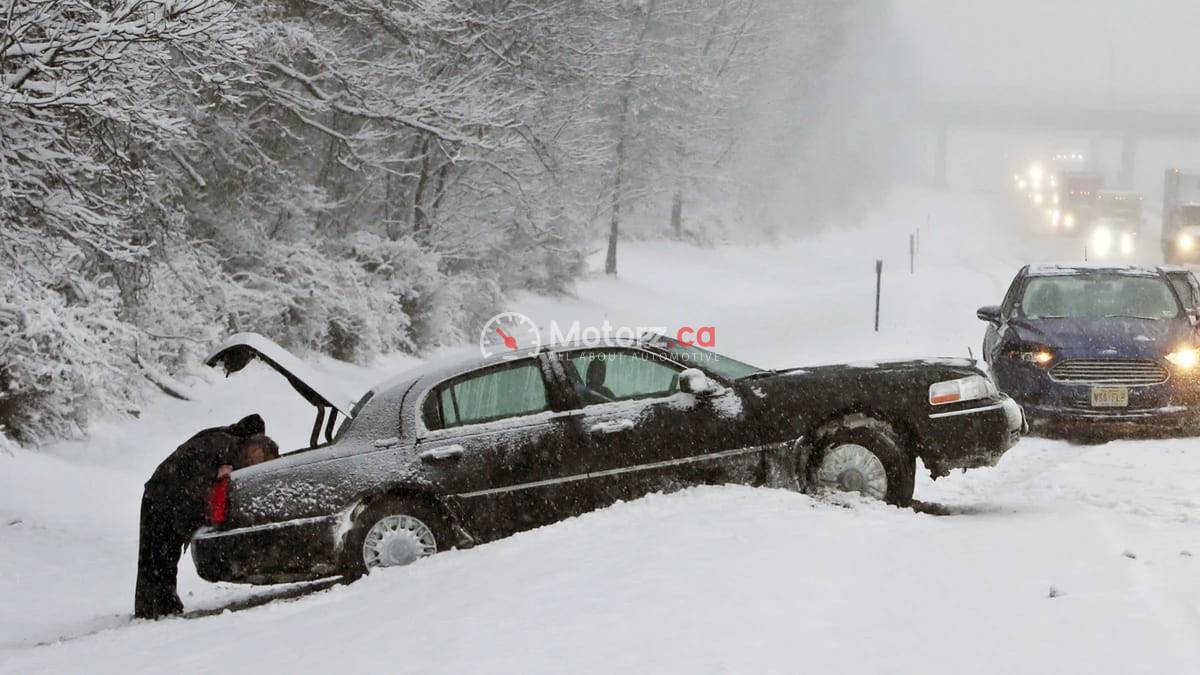
It starts as a scenic Winter Emergency Kit through a snowy landscape, but in a matter of seconds, a sudden whiteout or a hidden patch of black ice can leave you stranded in a ditch. In the Canadian wilderness, “stranded” isn’t just an inconvenience—it is a race against the clock. When the temperature plummet and the wind begins to howl, your vehicle’s interior can lose its heat in less than an hour.
In this edition of “The Corner Wrench,” we are looking at the thin line between a uncomfortable wait and a life-threatening situation. Many drivers carry a pre-packaged “emergency kit” they bought at a big-box store, assuming they are covered. However, many of those kits are filled with “have-not” filler items that won’t help you when the mercury hits 30 below zero.
At Motorz, we want you to be prepared for the reality of 2026 winter travel. We have consulted with survival experts and automotive technicians to build the definitive list of what your winter emergency kit must have, and what you should leave on the shelf.
The Survival Winter Emergency Kit: Non-Negotiable Essentials
These are the items that address the three biggest threats to a stranded motorist: cold, darkness, and lack of visibility.
Heat and Insulation: The Candle and the Blanket
If your engine won’t start, you have no Winter Emergency. A “Space Blanket” (the shiny Mylar type) is a “have,” but it should be a backup to a heavy wool or fleece blanket.
The Survival Candle: A thick “36-hour” candle in a deep tin is a must-have. Not only does it provide light, but in the small, enclosed space of a car, a single candle can raise the temperature just enough to keep the air from freezing.
Hand Warmers: Chemical heat packs are excellent for keeping your extremities warm if you have to step outside to dig the car out.
Light and Communication: More than Just a Phone
Your smartphone is a powerful tool, but cold weather drains lithium batteries at an alarming rate.
A Dedicated LED Flashlight: Choose one with a magnetic base and a “strobe” mode.
Portable Power Bank: Keep a high-capacity battery pack in your glovebox, but remember to bring it inside to charge once a month.
A Physical Whistle: If you are trapped in a snowbank and rescuers are nearby, a whistle carries much further than a human voice.
Traction and Recovery: Getting Back on the Road
Sometimes you aren’t “stuck” for long if you have the right tools.
Collapsible Shovel: A sturdy metal or high-impact plastic shovel is essential for clearing snow away from your exhaust pipe (to prevent carbon monoxide poisoning) and digging out your tires.
Traction Mats or Sand: A bag of sand or a pair of traction boards can provide the “grip” your tires need to climb out of a slippery rut.
The Tech “Haves”: 2026 Modern Safety Tools
In 2026, we have access to technology that was once reserved for search and rescue teams.
Satellite Messaging Units
If you frequently travel through “dead zones” in Northern Ontario, the Rockies, or the Maritimes, a satellite messenger (like a Garmin inReach) is a critical “have.” It allows you to send an SOS signal and your exact coordinates even when there is zero cell service.
Jump Starters (Lithium-Ion)
Forget the old, heavy lead-acid jump packs. Modern lithium-ion jump starters are small enough to fit in a coat pocket but powerful enough to start a V8 engine in the freezing cold. Keeping one of these fully charged is the best way to ensure you aren’t stranded by a cold-soaked battery.
The Have-Nots: What to Leave Out of Your Kit
Not everything labeled “emergency” is useful. Some items take up valuable space or, worse, provide a false sense of security.
Cheap “Emergency” Kits
Most 20 kits found in department stores are “have-nots.” They often contain a flimsy plastic rain poncho (useless in a blizzard), a tiny first-aid kit with three bandages, and a set of jumper cables so thin they will melt before they start a cold truck. It is always better to build your own kit with high-quality components.
Canned Food and Frozen Water
If you leave a case of bottled water in your trunk, it will freeze and potentially burst.
The Better Option: Store water in a heavy-duty “soft” bladder or a stainless steel bottle (leave room for expansion).
Food: Avoid canned goods that require a can opener or are hard to eat when frozen. Instead, pack high-calorie, shelf-stable energy bars, chocolate, or trail mix.
Road Flares (Pyrotechnic)
While classic flares work, they are “have-nots” for the average driver. they are a fire hazard, they burn out quickly, and the smoke can be blinding in a snowstorm.
The Alternative: LED electronic flares are safer, last for dozens of hours, and are much more visible to oncoming traffic.
The “Hidden” Have: Winter Vehicle Prep
At “The Corner Wrench,” we always say the best emergency kit is the one you don’t have to use because your vehicle was ready for the trip.
The Full Tank Rule
In the winter, your fuel gauge is part of your survival gear. Never let your tank drop below half. If you get stuck, that fuel is your lifeline, allowing you to run the engine for ten minutes every hour to stay warm.
Washer Fluid and Wipers
You can’t avoid a ditch if you can’t see the road. Ensure your reservoir is full of minus 40 rated fluid. Lorraine Explains that many “all-season” fluids will freeze solid in the lines at highway speeds, leaving you blinded by salt spray.
Your Winter Survival Checklist
Before you head out on your next winter road trip, audit your trunk. Use this quick checklist to separate your “haves” from your “have-nots.”
Have: Heavy wool blanket, 36-hour candle, and metal shovel.
Have: Lithium jump starter and high-capacity power bank.
Have-Not: Cheap, store-bought “all-in-one” kits.
Have-Not: Canned food or bottled water that might burst.
Have: A bright LED flashlight and electronic road flares.
At Motorz, we want you to enjoy the beauty of the Canadian winter. Being prepared isn’t about being afraid; it is about being smart. Pack the “haves,” ditch the “have-nots,” and keep your “Corner Wrench” handy for the maintenance that prevents the emergency in the first place.