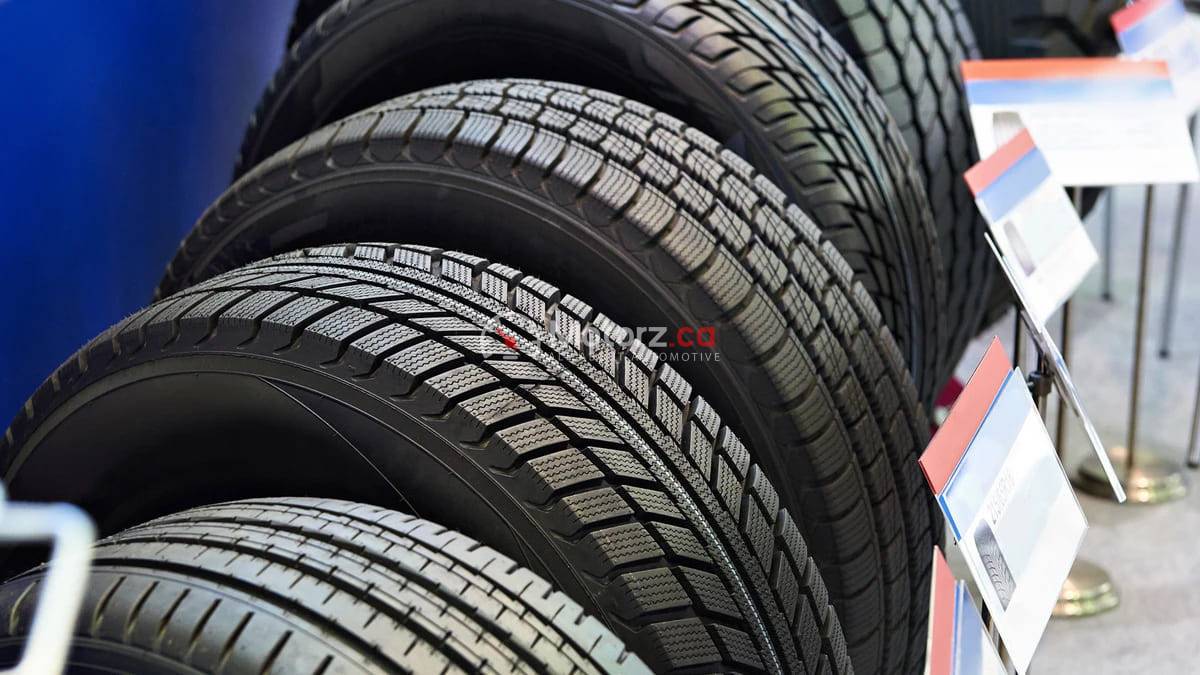
When the Canadian Winter Tire hits, the sidewall of your tire becomes more than just a piece of black rubber; it becomes a technical manual for your safety. If you’ve ever found yourself squinting at the tiny markings on a tire at the dealership, you are not alone. From the classic snowflake to the newer ice grip icons, these symbols are the only way to know if your vehicle is legally and mechanically prepared for a blizzard.
In this edition of “The Corner Wrench,” we are stripping away the marketing jargon to explain exactly what those winter tire symbols mean. As we navigate the 2026 driving season, understanding these ratings is vital—not just for traction, but for insurance compliance and provincial law requirements. Whether you are a seasoned DIYer or a first-time winter driver, here is everything you need to know about the secret language of snow tires.
The Three-Peak Mountain Snowflake (3PMSF) Symbol
The most famous of all winter tire symbols is the Three-Peak Mountain Snowflake, often abbreviated as 3PMSF. You’ll find it as an icon of a snowflake inside a mountain silhouette.
What It Actually Means
This symbol is not just a decoration. To earn this mark, a Winter Tire must pass a standardized regulatory test that measures its “traction in packed snow.” Specifically, the tire must provide at least 110 percent of the traction of a standard reference all-season tire.
Is It Enough for Canadian Winters?
While the 3PMSF symbol is a significant step up from all-season tires, it primarily measures acceleration on packed snow. It does not measure how well the tire brakes or turns on ice. For most urban Canadian drivers, this is the minimum standard required to be legally considered a “winter tire” in provinces like Quebec or on specific BC highways.
The New “Ice Grip” Symbol
As of late 2025 and into 2026, a new symbol has begun appearing on premium winter tires: the Ice Grip icon. This looks like a jagged, icy mountain peak without the snowflake inside.
Why the New Icon?
The industry realized that the standard snowflake symbol wasn’t telling the whole story. Some tires are great in deep snow but terrible on the “black ice” often found in Calgary or Winnipeg. The Ice Grip symbol indicates the tire has passed a rigorous test on literal ice surfaces.
Why You Should Look for It
If your daily commute involves freezing rain or packed ice rather than just fresh powder, the Ice Grip symbol is your best friend. It signifies a softer rubber compound that stays flexible even when temperatures drop well below minus 20, allowing the tire to “stick” to frozen surfaces that would make a standard snowflake tire slide.
M+S (Mud and Snow): The Great Misconception
You will see the M+S symbol on almost every SUV and crossover tire sold in North America. Unfortunately, it is one of the most misunderstood markings in the automotive world.
The Truth About M+S
The M+S rating is based solely on the geometry of the tread—specifically, how much “open space” there is in the tread pattern to allow mud or snow to escape. There is no performance testing required to put M+S on a tire.
The Temperature Problem
A tire with only an M+S rating is usually an all-season tire. Once the temperature drops below 7 Celsius, the rubber compound in M+S tires begins to harden like a hockey puck. In most provinces with mandatory winter tire laws, an M+S tire is not considered a legal winter tire during the restricted months.
Reading the DOT Date Code: The “Expiry Date”
While not a winter symbol in the traditional sense, the DOT Code is the most important “hidden” symbol on your winter tires. It consists of a series of letters followed by four numbers (e.g., 4224).
The “5-Year Rule”
Winter tires rely on specialized oils to keep the rubber soft. Over time, these oils evaporate. Even if a tire has plenty of tread, if it was manufactured more than five or six years ago, it has likely lost its ability to grip the road in extreme cold.
Example: If your tire says “1021,” it was made in the 10th week of 2021. By the 2026 season, that tire is nearing the end of its chemical lifespan.
All-Weather vs. All-Season: Knowing the Difference
In 2026, the “All-Weather” tire category is exploding in popularity. This is where the symbols become critical for your purchasing decision.
All-Season (No Snowflake)
These are actually “Three-Season” tires. They lack the mountain snowflake and are dangerous to use in Canadian winters because they lose grip as soon as it gets cold.
All-Weather (Has Snowflake)
These are the hybrid “Corner Wrench” favorites for city dwellers. They carry the Three-Peak Mountain Snowflake symbol, meaning they are legally rated for winter use, but their rubber compound is durable enough to be driven all summer. They are a “jack of all trades,” though they still won’t outperform a dedicated winter tire on pure ice.
How to Choose Your Next Set
When you are standing in the tire shop, use this checklist based on the symbols we’ve discussed:
Check for the Snowflake: If it doesn’t have the Three-Peak Mountain Snowflake, it isn’t a winter tire.
Look for Ice Grip: If you live in an area with lots of ice or freezing rain, look for the new Ice Grip icon alongside the snowflake.
Check the Date: Ensure the “new” tires you are buying weren’t manufactured three years ago and sitting in a warehouse.
Ignore the M+S for Winter: Treat the M+S symbol as a summer/off-road rating, not a winter safety rating.
Your tires are the only thing keeping your vehicle on the road when nature is trying to push you off it. By knowing your symbols, you can drive with the confidence that your rubber is up to the task.