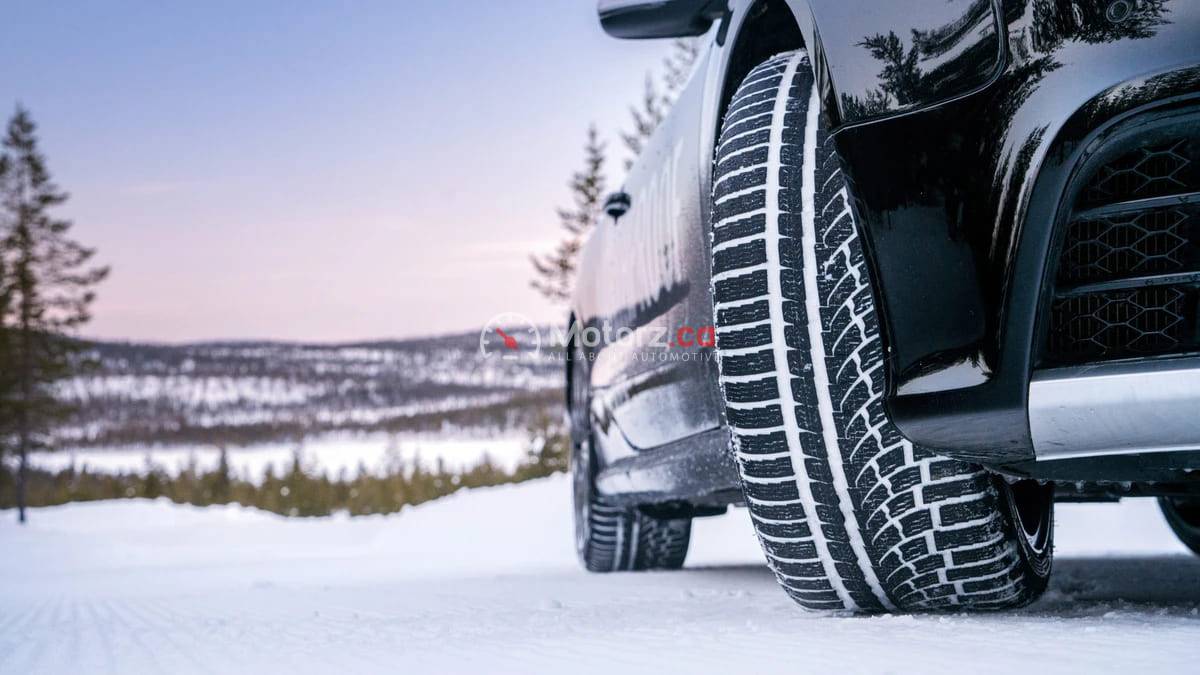
As the autumn leaves drop and the morning air takes on a crisp, biting edge, drivers across Canada face an inevitable, recurring chore: prepping their vehicles for the brutal winter months ahead. You know your current all-season tires won’t cut it when the freezing temperatures arrive, hardening your rubber into stiff plastic hockey pucks. You need the pliable, silica-infused rubber and deep sipes of a dedicated snow tire to keep your family safe on black ice and slush.
But outfitting a vehicle with a brand-new set of name-brand winter rubber can deal a massive blow to your household budget.
Faced with steep retail prices, many savvy shoppers turn to the secondhand market. Online classifieds, digital marketplaces, and local tire shops are flooded with used winter tires boasting phrases like “only driven one season” or “nearly ninety percent tread left.” It sounds like an incredible shortcut to seasonal safety, but buying pre-owned tires is a high-stakes gamble. If you know what to look for, you can find a diamond in the rough; if you buy blindly, you could end up with a set of structurally compromised, dried-out rubber that puts your life at risk.
In the service bays at “The Corner Wrench,” we inspect hundreds of pre-owned wheel setups every autumn. Today, Lorraine Explains the exact step-by-step checklist you need to safely navigate the secondhand tire market. Here is how to decode tire age, measure true tread depth, identify hidden structural damage, and ensure you get maximum traction without breaking your budget.
The Golden Rule: Decoding the DOT Date Code
The most common trap for buyers shopping for used winter tires is focusing entirely on how thick the tread looks. A tire can have deep, aggressive tread blocks and still be completely useless—and highly dangerous—in freezing weather. This is because tires degrade from the inside out due to chemical aging, regardless of whether they are sitting on a highway or stacked up in a dark basement.
Why Rubber Has an Expiration Date
Over time, exposure to oxygen, ambient humidity, and shifting temperatures causes the flexible polymers inside the rubber compound to break down. This process, known as dry rot, causes the rubber to lose its elasticity and turn brittle.
For winter tires, flexibility is everything. A snow tire must remain soft and spongy in deep sub-zero conditions to conform to the microscopic texture of the road surface. If the rubber has hardened due to old age, those thousands of tiny biting edges (sipes) cannot open up, rendering the tire ineffective on ice.
How to Read the 4-Digit DOT Code
Every legal highway tire sold in North America features a Department of Transportation (DOT) safety code stamped into its sidewall. The code begins with the letters “DOT,” followed by a series of letters and numbers. To find the true age of the tire, ignore everything except the final four digits at the very end of the string.
The First Two Digits: Indicate the precise week of production (from 01 to 52).
The Last Two Digits: Indicate the exact year of manufacture.
For example, if you look at a secondhand tire and the final four digits read 3421, that means the tire was manufactured during the 34th week of 2021.
The Ultimate Age Cut-Off
At Motorz, our safety threshold is strict: Never buy a winter tire that is more than five years old, no matter how immaculate the tread looks. As a rule of thumb, most passenger car tires reach the absolute end of their safe structural lifespan at six to eight years from the date of manufacture, even if they have never been mounted to a wheel. If a seller cannot or will not show you the DOT code, walk away from the deal immediately.
Measuring True Tread Depth: Beyond the “Toonie Test”
Once you have verified that the tires are young enough to be safe, your next step is to measure the remaining tread depth. Sellers often make vague claims like “eighty percent life remaining,” but what does that actually mean mathematically?
Throw Out the Coin Tricks
Many casual buyers rely on the classic trick of inserting a coin into the tread groove to estimate depth. While this can give you a quick visual point of reference, it is far too imprecise when you are negotiating a transaction or verifying safety thresholds. Instead, invest in a simple mechanical or digital tread depth gauge. These inexpensive tools feature a thin metal pin that drops into the tread groove, providing an exact measurement in millimeters or fractional inches.
Understanding the Numbers
New passenger vehicle winter tires typically roll off the factory line with a tread depth between 9 millimeters and 11 millimeters (roughly 11/32 to 14/32 of an inch).
The Legal Limit: In most jurisdictions, a tire is legally worn out and must be replaced when the tread drops down to 2 millimeters (2/32 of an inch).
The Winter Traction Limit: While 2 millimeters is the legal minimum for dry summer roads, winter tires lose their ability to bite into deep snow long before they hit that mark. Once a winter tire drops below 4 millimeters to 5 millimeters (5/32 of an inch), the sipes flatten out, the rubber compound thins, and the tire can no longer channel slush away effectively.
If you measure a set of used tires and find they sit at 5 millimeters of tread, they are already at the tail-end of their winter utility. They might last you a single short commuting season, but they are not a viable multi-year investment.
The 360-Degree Physical Inspection: Hunting for Hidden Failures
If the age is right and the tread is deep, it is time to get your hands dirty. You need to perform a meticulous physical inspection of every individual tire, looking for signs of past trauma, poor wheel alignment, or improper storage conditions.
Sidewall Bubbles and Bulges
Pick up the tire and run your hands along both the outer and inner sidewalls, applying firm pressure. You are checking for any localized bulges, lumps, or bubbles.
A sidewall bubble indicates that the tire suffered an internal structural failure, usually caused by hitting a deep pothole or curbing a wheel at high speeds. The impact tears the inner fabric cords of the casing, allowing compressed air to push through to the outer layer of rubber. A tire with a sidewall bulge is a ticking time bomb; it cannot be repaired, and it is highly susceptible to a sudden, catastrophic blowout at highway speeds.
Uneven Tread Wear Patterns
Examine the face of the tread carefully across its entire width. The depth should be completely uniform from the inner shoulder to the outer edge. If you notice specific variations, the tire is telling the story of a poorly maintained host vehicle:
Camber Wear (One-Sided Wear): If the inner or outer edge of the tread is significantly more bald than the rest of the tire, the previous car suffered from bad wheel alignment or worn suspension components.
Center Wear: If the middle of the tread is scooped out or more worn down than the shoulders, the previous owner consistently over-inflated the tires, stretching the center of the casing.
Cupping or Scalloping: If the tread blocks feature wavy, hill-and-valley depressions, the host vehicle likely had completely worn shocks, struts, or bouncing suspension linkages.
Unevenly worn winter tires will vibrate violently on your vehicle, produce excessive cabin noise, and provide highly unpredictable grip on slippery road surfaces.
Dry Rot Cracking
Inspect the base of the tread grooves and the flat surface of the sidewalls under bright light. Look for a dense network of microscopic, hairline cracks. This is a clear indicator of dry rot, which happens when tires are stored outdoors in direct sunlight or exposed to harsh ozone-producing electric motors (like those found in furnaces or workshops). Cracked rubber is brittle rubber; avoid it at all costs.
The Patch and Repair Check: Internal Traumas
Never buy a secondhand tire without looking closely at the inside liner. You need to inspect the inner tubelees cavity for evidence of past punctures or structural compromises.
Professional Plugs vs. Rope Patches
It is entirely common for a tire to pick up a nail during its lifespan. A tire that has been professionally repaired using a combination internal patch-plug is perfectly safe to drive on. However, if you see a sticky, fibrous rope plug shoved through the tread from the outside without a corresponding internal patch, the repair was a temporary roadside fix that can leak or fail under high thermal loads.
Sidewall and Shoulder Repairs
Look closely at the locations of any past repairs. A tire can only be safely repaired if the puncture occurred within the central crown of the tread. If you spot a patch or plug located on the shoulder of the tire or along the vertical sidewall, the tire is structurally ruined. The sidewall experiences constant flexing as you corner; patches applied here will inevitably work themselves loose, leading to rapid deflation.
Run-Flat Inner Liner Scorch Marks
If you are inspecting a used tire and notice a ring of dark, crumbly rubber dust or a distinct black line scorched into the internal sidewall liner, the previous driver rode on that tire while it was completely flat or severely under-inflated. Running a tire flat creates intense friction that chews up the internal structure, permanently ruining the casing integrity.
Sizing, Load Ratings, and Matching Sets: The Technical Checklist
Before you hand over your hard-earned units to a private seller, you must ensure that the technical specifications of the used tires match the exact physical requirements of your specific vehicle.
Stick to Identical Matches
When shopping for winter tires, you should always install a matching set of four identical tires. Avoid mixing different brands, tread designs, or wear levels between your front and rear axles.
Mixing an aggressive mud-and-snow tire on the front axle with a performance winter tire on the rear axle creates mismatched grip characteristics. When you brake hard on a slushy corner, your car’s electronic stability control can become confused by the unequal traction thresholds, potentially causing the backend of the vehicle to swing out into an unrecoverable skid.
Read Your Door Placard
Never guess your tire size based on what is currently mounted to your car, as a previous owner might have installed the incorrect size. Open your driver’s side door and locate the printed tire information placard. This label outlines the exact original equipment parameters for your vehicle:
Tire Size String: For example, P205/55R16.
Load Index: A numerical value (such as 91) indicating the maximum weight the tire can support safely.
Speed Rating: A letter code (such as T, H, or V) denoting the maximum sustained speed capabilities of the casing design.
Ensure the secondhand tires meet or exceed both the load index and speed rating specified by your vehicle’s manufacturer. Installing a tire with an inadequate load rating can cause the sidewalls to overheat and flex excessively under a full load of passengers or cargo, leading to premature structural failure.
The Intelligent Buyer’s Blueprint
At “The Corner Wrench,” we know that finding ways to keep your vehicle safe on winter roads while managing your household expenses is a delicate balancing act. Shopping the used tire market is an excellent way to capture premium winter traction if you stay objective and analytical.
By prioritizing the 4-digit DOT age code over cosmetic shine, using an accurate tread depth gauge to confirm remaining longevity, hunting for hidden sidewall bulges, and verifying technical size compatibility, you can purchase with total confidence. Treat used tire shopping like an audit: check the numbers, inspect the physical structure, and never settle for outdated or damaged rubber.