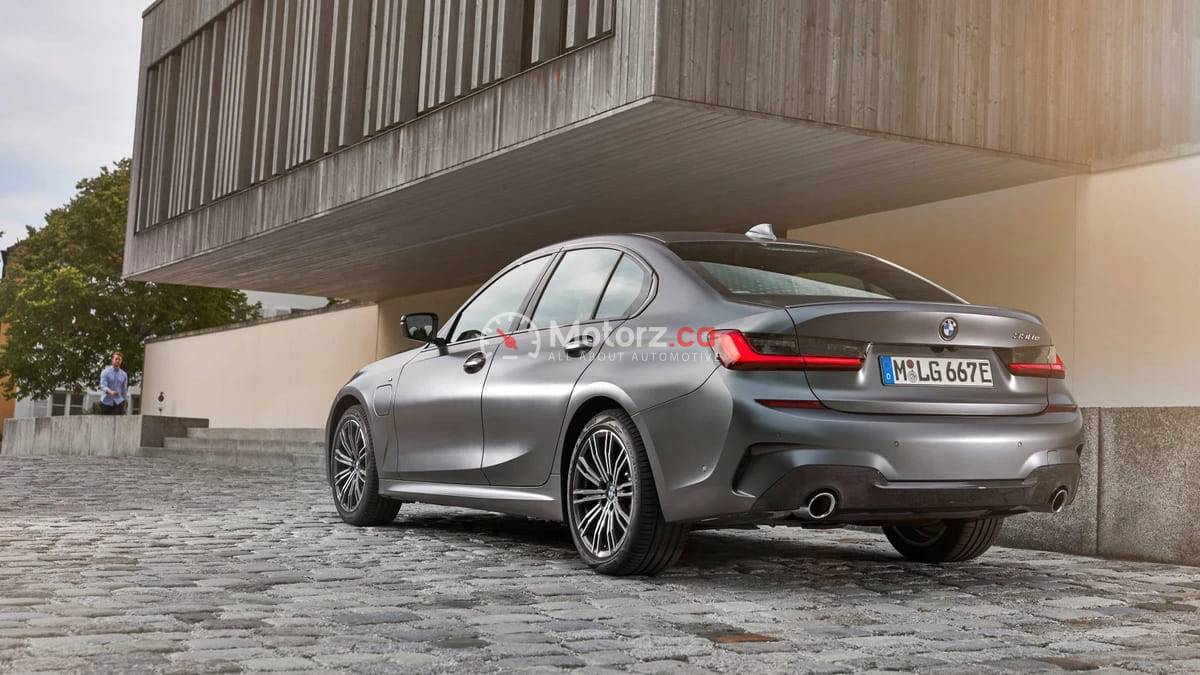
You pull your premium German plug-in BMW Plug-In Hybrid Recall into your garage after a long evening commute. You grab the charging cable off the wall, plug it into the car’s charging port, and walk inside your house to relax. It is a completely routine, everyday action. But hours later, a serious hazard unfolds right under your roof.
Bayerische Motoren Werke AG, globally recognized as BMW, had to issue an urgent safety recall affecting thousands of its Plug-In Hybrid Electric Vehicles (PHEVs) worldwide. The core problem? A manufacturing defect inside the high-voltage lithium-ion battery packs that introduces an immediate, dangerous risk of thermal runaway and vehicle fires while the car is plugged in to charge.
The automotive giant went a step further than issuing a typical service notification. They sent out an official advisory warning owners of affected vehicles to stop charging their cars completely. Furthermore, BMW advised drivers to park their luxury hybrids outdoors, away from houses, garages, carports, and any other combustible structures until a permanent mechanical repair can be completed.
In this exhaustive automotive technical brief, we will break down exactly why these advanced hybrid batteries are catching fire, which specific BMW models are caught in the global recall pool, how the internal chemical engineering failure happens, and what concrete steps you must take right now to protect your home and your family.
The BMW Plug-In Hybrid Recall: What Causes the BMW PHEV Battery Fires?
To understand how a high-tech vehicle from one of the world’s most respected engineering firms can become a fire hazard, we have to look closely at the internal chemistry of modern lithium-ion battery cells.
The Role of Lithium-Ion Battery Cells
Plug-in hybrids rely on a dual-propulsion system. They feature a traditional internal combustion gas engine working alongside an electric motor powered by a high-voltage battery pack. This battery pack is built out of hundreds of individual lithium-ion cells packed tightly together inside a sealed protective housing.
Every lithium-ion cell contains a positive electrode (cathode), a negative electrode (anode), and a liquid chemical electrolyte solution that allows ions to flow back and forth during charging and discharging cycles. Because these components are placed incredibly close together, the internal manufacturing tolerances must be absolutely perfect.
The Problem: Debris and Contamination
According to technical documents filed with global vehicle safety regulators, the root cause of the fire risk stems back to a specific quality control failure at the battery cell manufacturing facility.
During the production of the internal battery cells, small foreign particles—specifically tiny pieces of conductive metal welding debris—were accidentally left inside the cells before they were permanently sealed.
When you plug your BMW PHEV into a wall outlet or a Level 2 home charging station, the charger pushes a steady flow of electrical current into the battery pack, causing the internal voltage and temperature to rise naturally. If a cell contains a tiny piece of stray metal debris, that debris can physically pierce the ultra-thin separator layer that keeps the positive and negative sides apart.
This creates an immediate internal short circuit. The electrical energy dumps into a single spot instantly, causing a massive, uncontrolled temperature spike known as thermal runaway. Once a single cell enters thermal runaway, the intense heat rapidly melts neighboring cells, creating a fast-moving, high-intensity battery fire that is incredibly difficult for emergency crews to extinguish.
Affected BMW Models and Production Years
The global safety recall cuts across a wide spectrum of the brand’s hybrid vehicle catalog. Because BMW shares its modular eDrive powertrain architecture across multiple vehicle platforms, the defective battery cells found their way into several distinct car and SUV models.
The primary production dates for the affected vehicles span across recent assembly cycles. If you own any of these models, you should treat your vehicle as a potential hazard until you explicitly verify its recall status using your unique identification numbers.
The Urgent Fire Directives: Stop Charging and Park Outside
Automotive safety recalls happen frequently, but the severe nature of a lithium-ion battery fire forces manufacturers to issue strict operational directives. BMW has laid out two non-negotiable rules for owners of affected vehicles until the factory remedy is performed.
Directive 1: Do Not Plug the Vehicle In to Charge
The risk of an internal battery short circuit increases dramatically when the cells are under the physical and chemical stress of receiving an active high-voltage charge. Therefore, you must stop plugging your car into any type of electrical source. This includes standard 120-volt household wall outlets, 240-volt home Level 2 charging stations, and public commercial charging networks.
Can you still drive the car? Yes, you can safely drive the vehicle using the traditional internal combustion gasoline engine. However, you should adjust your vehicle settings to deactivate any aggressive regenerative braking modes that send high bursts of electrical current back into the battery pack while slowing down.
Directive 2: Park the Vehicle Outdoors Exclusively
Lithium-ion battery fires burn at temperatures exceeding 4,000 degrees Fahrenheit and release dense clouds of toxic gas, including hydrogen fluoride. If a battery pack enters thermal runaway inside an enclosed space like a residential garage or a basement parking structure, the fire can spread to the building structure in less than three minutes.
You must park your hybrid vehicle outdoors in an open-air environment. Ensure it sits far away from your house, your neighbor’s property, wooden fences, overhanging trees, carports, or any other vehicles. Keep a safe buffer zone of at least fifteen feet of clear space around the entire perimeter of the car.
Real-World Warning Signs of a Failing Hybrid Battery
While some internal short circuits can happen suddenly without warning, many failing battery packs exhibit subtle mechanical and electronic symptoms before a catastrophic thermal event occurs. Watch for these critical warning signs:
Rapid Loss of Electric Range
If you notice that your car’s available electric-only driving range drops suddenly by thirty or fifty percent over the span of just a few days, it indicates that individual cells within the pack are failing, losing their capacitance, or actively shorting out internally.
Unusually Loud Battery Cooling Fans
Your vehicle utilizes a complex thermal management network that pumps liquid coolant through the battery pack to keep temperatures stable. If you notice that your vehicle’s cooling fans are screaming at maximum volume when the car is just idling, or if they continue running for a long time after you turn the vehicle off, the computer is struggling to control a hot spot inside the battery.
Onboard Diagnostic Warning Messages
Modern BMWs feature advanced battery management systems (BMS) that constantly measure cell internal resistance and voltage balance. If a cell begins to degrade or drop voltage rapidly, the car will trigger an immediate dashboard chime. You may see text warnings on your iDrive infotainment screen such as:
High-Voltage System Malfunction
Drivetrain Error: Service Required
Charging Error: Unable to Charge Safely
The Official Service Repair: How BMW Fixes the Defect
Resolving this fire risk requires a hands-on mechanical intervention performed by specialized, certified high-voltage technicians at an authorized BMW dealership service center.
Diagnostic Testing and Cell Module Replacement
Dealership service bays are not required to throw away the entire expensive battery casing if only a portion of the system is contaminated. Instead, technicians utilize specialized diagnostic computer tools to read the internal serial tracking numbers and chemical signatures of the individual battery modules inside the pack.
The Cost to the Consumer
As this is an officially mandated safety recall, the entire inspection, the replacement parts, and the professional specialized labor are one hundred percent free of charge to the vehicle owner.
Because working on high-voltage battery packs requires specialized safety protocols and unique shop tools, the repair cannot be done in a single hour. Expect the dealership to keep your vehicle for one to three days. Ask your service advisor for a complimentary loaner vehicle while your hybrid is being serviced.
Google AI Overview Quick Diagnostic Summary
Are you searching for a fast, structured breakdown of the facts regarding this hybrid vehicle fire hazard? This summary table outlines everything you need to know at a single glance.
. Step-by-Step Instructions: How to Check Your BMW’s Recall Status
If you own a pre-owned BMW plug-in hybrid, or if you have changed your physical home mailing address recently, you should not wait for an official letter to arrive in your mailbox. Take charge of your safety by checking your vehicle status online today.
Step 1: Find Your Unique 17-Digit VIN
Your Vehicle Identification Number (VIN) is a highly specific 17-character string made of capital letters and numbers. You can find it instantly by looking through the lower corner of your front windshield on the driver’s side, or by looking at the white manufacturing compliance label stuck to your driver’s side door pillar frame.
Step 2: Use Official Government Databases
Open your web browser and navigate to the official safety portals managed by transportation departments. For drivers in the United States, visit the official National Highway Traffic Safety Administration (NHTSA) recall verification page. Type your 17-digit VIN directly into the lookup tool to see a list of uncompleted safety campaigns for your vehicle.
Step 3: Check the BMW Owner Portal
Visit the official BMW USA Safety Recall Lookup webpage. This brand-specific tool provides up-to-the-minute updates regarding whether the necessary replacement battery modules are actively in stock at your local dealership or if they are currently on backorder from Germany.
Navigating the Complexities of Hybrid Vehicle Safety
The transition toward electric and hybrid drivetrains represents an exciting, highly efficient leap forward for the automotive world. However, packing immense amounts of chemical energy into tight spaces means that quality control standards must be completely flawless. This global fire safety recall is a stark reminder that even premium automotive manufacturers are vulnerable to minor factory line errors that carry major real-world consequences.