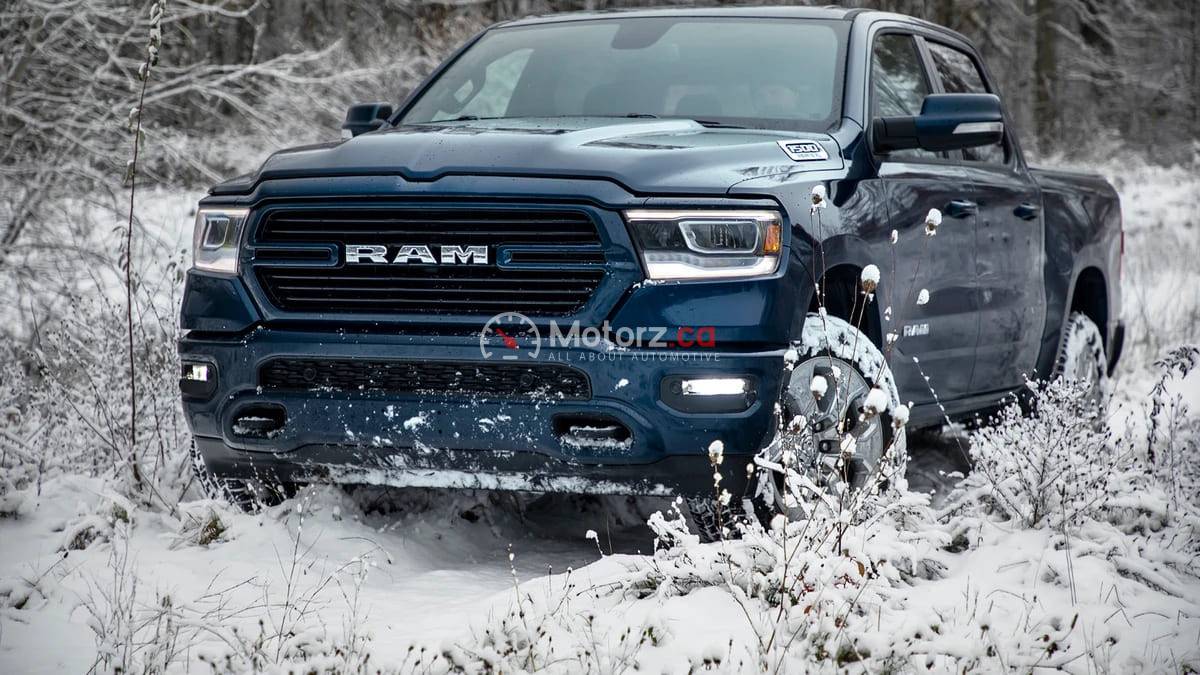
When the first major cold front hits and the local weather forecast starts warning of incoming snow, a familiar sense of urgency spreads among drivers. You know it is time to think about winter tires. However, walking into a tire shop or browsing online can quickly become overwhelming. The market is filled with different tread designs, various rubber compounds, and conflicting advice about which setup is best.
Choosing the right seasonal tire is not a one-size-fits-all decision. The perfect tire for a city driver who encounters mostly slush and wet pavement is completely different from the ideal tire for someone navigating unplowed mountain passes or rural roads covered in glare ice.
Making the wrong choice can mean sacrificing ride comfort, wasting money, or worse, compromising your safety when road conditions are at their absolute worst. This comprehensive guide breaks down the different types of cold-weather tires available, compares their strengths, and helps you identify exactly which tire fits your specific driving environment, vehicle type, and regional climate.
Why Standard Tires Fail When the Temperature Drops
Before diving into the specific categories of winter tires, it is vital to understand the physical science behind cold-weather traction. Many motorists believe that as long as their vehicles are equipped with all-season tires with decent tread depth, they are perfectly safe. This is a dangerous misconception.
The critical factor is not just the depth of the tread grooves, but the chemical composition of the rubber itself. Standard all-season and summer tires are engineered to withstand high pavement temperatures. However, when the thermometer drops below seven degrees Celsius, the rubber compounds in these tires undergo a physical change. They harden, lose their elasticity, and become brittle. This phenomenon turns your tires into hard plastic rollers that cannot grip the microscopic irregularities of the road surface.
Dedicated winter tires are formulated with unique high-silica rubber blends. This specialized material remains soft, pliable, and flexible even in extreme sub-zero conditions. This flexibility allows the tire footprint to spread out evenly, maximizing the contact patch with the road and allowing the tread to actively claw through snow, slush, and ice.
Exploring the Main Types of Winter Tires
To choose the right option, you must understand the distinct design philosophies behind the three primary categories of cold-weather rubber: studless ice and snow tires, studded tires, and performance winter tires.
Studless Ice and Snow Tires
Studless ice and snow tires have become the modern gold standard for the vast majority of commuter vehicles, SUVs, and crossovers. Instead of relying on mechanical metal pins to create grip, these tires utilize advanced rubber chemistry and intricate tread geometry.
The Role of Hydrophobic Compounds and Sipes
When a vehicle drives over ice, the pressure and friction generated by the tire instantly melts a microscopic layer of water on top of the frozen surface. This thin film of water is actually what causes a vehicle to hydroplane and slide uncontrollably.
Premium studless tires combat this by incorporating advanced multi-cell or hydrophobic compounds. These materials feature microscopic pores that act like tiny sponges, absorbing the surface water film and expelling it to the sides so the dry rubber can make direct contact with the ice.
Additionally, the tread blocks are packed with thousands of microscopic slits called sipes. As the tire rotates, these sipes flex open, creating thousands of sharp biting edges that pack snow into the grooves and provide exceptional stopping power on slick, packed surfaces.
Best For: Urban commutes, well-plowed highways, mixed city slush, and locations where metal studs are legally restricted.
Popular Examples: Michelin X-Ice Snow, Bridgestone Blizzak WS90, and Continental VikingContact 7.
Studded and Studdable Winter Tires
Studded tires represent the classic approach to conquering the harshest arctic winter conditions. These tires feature small, ultra-hard metal pins made from tungsten carbide embedded directly into the tread pattern.
How Modern Adaptive Studs Work
When driving on hard-packed snow or glare ice, these metal pins act like athletic cleats, physically digging into the frozen layer to deliver mechanical traction that no rubber compound can match on its own. This makes them incredibly effective for climbing steep, icy inclines or navigating rural roads that rarely see a snowplow.
Historically, studded tires carried severe drawbacks, including an incredibly noisy, clicking ride on bare asphalt and a tendency to chew up public roads. However, mode
rn engineering has revolutionized this category. The latest premium studded designs feature adaptive cushioning systems beneath each pin. In extreme sub-zero conditions, the base rubber stiffens to support the stud for a firm bite. When the vehicle moves onto clear, bare pavement, the base rubber softens, allowing the metal pin to retract slightly into the tread block. This drastically reduces cabin noise and minimizes pavement damage.
Best For: Rural areas, high-altitude mountain passes, freezing rain zones, and consistently icy, unplowed backroads.
Popular Examples: Nokian Hakkapeliitta 10 and Toyo Observe G3-Ice.
Performance Winter Tires
If you drive a sports sedan, a high-performance coupe, or a vehicle tuned for sharp handling, standard ice and snow tires can sometimes feel soft and unresponsive. This is because the highly flexible rubber blocks tend to squirm under aggressive cornering or high-speed braking on dry highways.
Performance winter tires bridge this gap. They are constructed with stiffer tread blocks, higher speed ratings, and directional tread patterns optimized for wet and cold highway driving. While they sacrifice a small percentage of ultimate stopping power on pure glare ice, they deliver exceptional stability, precise steering response, and excellent hydroplaning resistance on cold, cleared asphalt and slushy multi-lane freeways.
Best For: Enthusiast drivers, high-performance vehicles, and regions that experience cold, dry winters with occasional light snowfall.
Popular Examples: Pirelli Winter Sottozero 3 and Michelin Pilot Alpin 5.
The Rise of All-Weather Tires: A True Alternative?
In recent years, a new category has gained significant popularity: the all-weather tire. It is critical not to confuse these with traditional all-season tires.
All-weather tires feature the Three-Peak Mountain Snowflake symbol embossed on the sidewall, which proves the tire has passed official government testing for severe snow traction. They utilize a hybrid design, combining a soft, winter-oriented inner tread pattern with a stiffer, summer-oriented outer shoulder block.
While all-weather tires have improved significantly and offer a fantastic option for drivers living in mild climates who want to avoid the hassle of swapping tires twice a year, they still cannot match the absolute braking and cornering performance of a dedicated winter tire when facing deep snow or solid sheets of ice. If your local winter involves sustained sub-zero temperatures and heavy blizzards, dedicated winter rubber remains the safest choice.
How to Match Your Tires to Your Environment
To determine exactly which type of winter tire deserves a spot on your vehicle, evaluate your daily routine against the following environmental matrix.
The Urban Commuter
If your daily route consists of driving from a suburban driveway onto cleared city streets, through school zones, and into a cleared parking structure, your main challenges are slush, wet asphalt, and patches of black ice at intersections.
Your Match: Studless Ice and Snow Tires. They offer a whisper-quiet ride on clear pavement, provide excellent fuel efficiency, and deliver maximum safety on the wet, slippery roads typical of managed city centers.
The Mountain Pass Explorer or Rural Driver
If your job or lifestyle requires you to drive before the snowplows hit the roads, or if you regularly travel through rural valleys where freezing rain creates thick layers of ice on winding, unlit roads, mechanical grip is your highest priority.
Your Match: Studded Winter Tires. The physical penetration of tungsten carbide pins into hard ice provides predictable cornering and shorter stopping distances that can prevent a dangerous drift into a ditch.
The Highway Long-Distance Commuter
If your winter driving consists of logging hundreds of miles on clear, cold interstate highways at high speeds, you need a tire that tracks straight, resists lane-drift in high winds, and manages slush displacement without causing cabin vibration.
Your Match: Performance Winter Tires. Their stiffer construction keeps your vehicle feeling planted and responsive at highway speeds while ensuring you still have the necessary cold-weather compound flexibility if you run into an unexpected squall.
Crucial Winter Tire Buying and Usage Tips
Once you identify the category that fits your life, keep these vital safety and financial tips in mind before making your purchase.
Always Install a Full Matching Set of Four
Never attempt to save money by installing winter tires only on the drive axle of your vehicle. Mixing different tire types disrupts the balance and handling dynamics of the car.
If you put winter tires only on the front of a front-wheel-drive car, the rear wheels will easily lose grip during a turn, causing the back of the car to swing out in a dangerous spin. Conversely, if you put them only on the rear of a rear-wheel-drive car, the front wheels may fail to steer when you turn the wheel on snow, causing the vehicle to plow straight ahead into danger. Always install four identical tires with matching tread depth.
Look for the Three-Peak Mountain Snowflake Symbol
When shopping for tires, ignore basic marketing terms like “mud and snow” or the M+S stamp. The only graphic that guarantees true severe snow performance is the Three-Peak Mountain Snowflake symbol.
Invest in a Dedicated Set of Winter Wheels
While it is possible to unmount your summer tires and mount your winter tires onto your factory rims every season, investing in a cheap set of steel wheels or basic aluminum rims for your winter tires is highly recommended.
Repeatedly mounting and balancing tires can damage the delicate rubber bead over time. Furthermore, having your winter tires permanently mounted on a separate set of wheels allows you to swap them out quickly in your own driveway or at a local shop, saving you time and long-term labor costs.
Investing in Peace of Mind
Selecting the right winter tire is ultimately about removing the unpredictability from cold-weather driving. By matching your tire choice to your local winter climate, road maintenance standards, and driving habits, you transition from a driver who fears the snow to a driver who handles the elements with complete control.
Take the time to examine your typical winter routes, understand the legal boundaries regarding studs in your area, and invest in a quality set of tires carrying the verified snowflake certification. Your tires are the only four points of contact between your multi-ton vehicle and the road. Ensuring those points of contact are engineered specifically for the terrain beneath them is the smartest safety decision you can make this season.