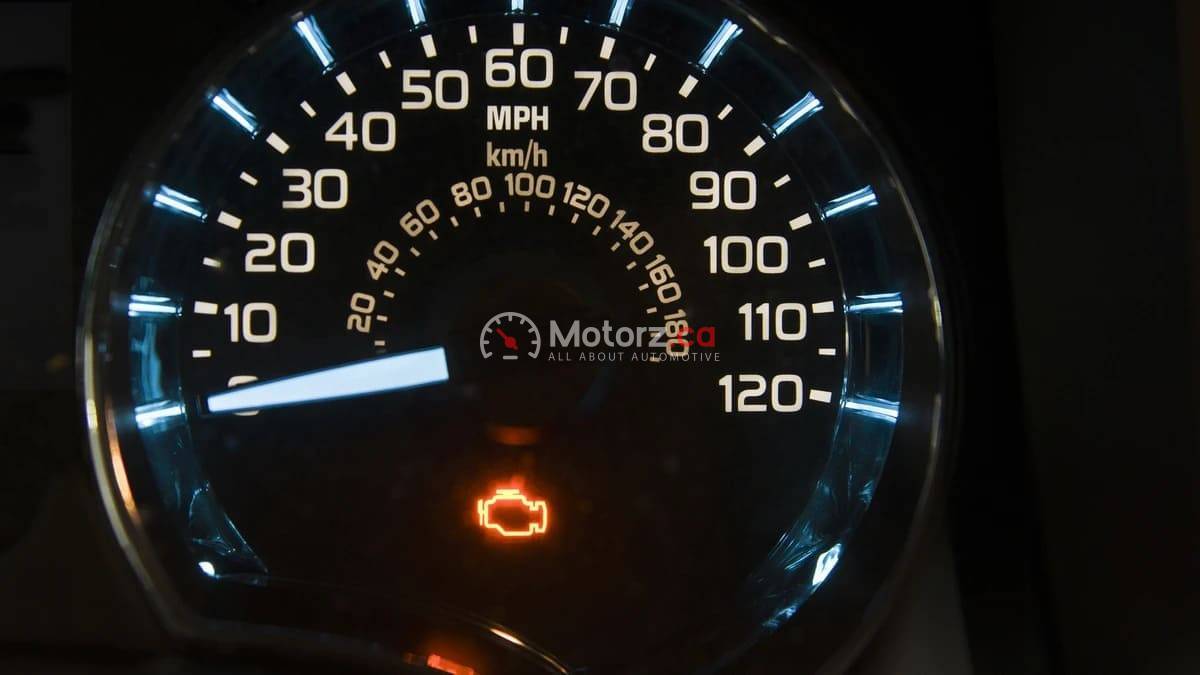
It is the Engine Light amber icon that has the power to ruin any commute. You are driving along, enjoying the road, when suddenly a small, engine-shaped light flickers to life on your dashboard. For many drivers, this light is a source of immediate anxiety. It feels like a silent messenger of doom, signaling an impending mechanical disaster or a massive repair bill. Some drivers choose to ignore it for weeks, while others pull over immediately, afraid the car might explode.
In the world of “The Corner Wrench,” we see this light differently. In 2026, modern vehicles are equipped with sophisticated On-Board Diagnostics (OBD-II) systems that act as the car’s nervous system. The check engine light is not a “death sentence” for your vehicle; it is simply a communication tool. It is your car’s way of saying, “Something is outside of its normal operating range, and I need you to take a look.”
At Motorz, we want to replace that feeling of dread with a sense of empowerment. Today, Lorraine Explains how to decode the amber glow, why some fixes are as simple as tightening a cap, and how to approach your mechanic with confidence.
Understanding the Glow: Solid vs. Flashing Lights
The first step in easing your fear is knowing how to read the urgency of the light. Not all check engine lights are created equal.
The Solid Amber Light
If the light comes on and stays Engine Light, the computer has detected a “non-critical” fault. This means your car is still safe to drive, but a sensor is likely sending data that doesn’t make sense. You don’t need to call a tow truck immediately, but you should schedule an inspection within the next few days. Ignoring a solid light can eventually lead to poor fuel economy or damage to other components like the catalytic converter.
The Flashing Red or Amber Light
If the light is blinking rapidly, this is a “critical” warning. A flashing check engine light typically indicates a severe engine misfire. In this scenario, unburned fuel is likely entering the exhaust system, where it can quickly overheat and destroy your catalytic converter.
The Fix: If the light is flashing, pull over as soon as it is safe to do so and turn off the engine. In this case, towing the vehicle is the smartest way to prevent a 2000-unit repair bill.
Common Culprits: Why the Light Comes On
You might be surprised to learn that many check engine light triggers have nothing to do with the “engine” itself failing. They are often related to the emissions system.
The Loose Gas Cap
Believe it or not, one of the most common reasons for a check engine light is a loose, cracked, or faulty gas cap. Your car’s fuel system is pressurized. If the cap isn’t sealed tightly, the system detects a leak in the evaporative emissions (EVAP) system and triggers the light.
Pro Tip: If your light just came on, the first thing you should do is pull over and tighten your gas cap. It may take a few drive cycles for the light to reset itself.
Faulty Oxygen (O2) Sensors
The O2 sensor measures how much unburned oxygen is in the exhaust. This data helps the car’s computer adjust the air-fuel mixture for optimal efficiency. Over time, these sensors get coated in carbon soot and stop sending accurate signals. While the car will still run, a bad O2 sensor can drop your fuel economy by as much as 40 percent.
Worn Spark Plugs and Ignition Coils
If your spark plugs are old or your ignition coils are failing, the engine won’t burn fuel efficiently. This leads to a misfire, which is a frequent trigger for the light. Replacing spark plugs is a standard maintenance item that can prevent the light from ever appearing in the first place.
The Power of the OBD-II Scanner
In the past, you were at the mercy of whatever the mechanic told you. In 2026, technology has leveled the playing field.
DIY Diagnostics
You can purchase a basic OBD-II code reader for less than 50 units at most auto parts stores. You simply plug it into the port under your dashboard (usually near the steering column), and it will give you a code—something like P0420 or P0300.
Bridging the Knowledge Gap
Once you have the code, a quick search on Motorz or a trusted automotive database will tell you exactly what that code means. Knowing that your light is on for a “Small EVAP Leak” rather than “Internal Engine Failure” provides immense peace of mind before you even walk into a repair shop.
How to Talk to Your Mechanic Without Fear
Armed with your diagnostic code, you can now have a transparent conversation with your technician.
Be Specific About Symptoms
Instead of saying “the light is on,” tell the mechanic: “The check engine light is on, and I noticed the car stumbles a bit when I am idling at a red light.” This helps them narrow down the diagnostic path, saving you money on labor hours.
Ask for the Diagnostic Report
A professional shop will provide a printout of the fault codes and the “freeze frame” data, which shows exactly what the car was doing (speed, temperature, engine load) when the light triggered. This ensures you are paying for a real fix rather than just a “parts-guessing” game.
Taking Control of the Dashboard
The check engine light is a tool designed to help you, not haunt you. By staying proactive and understanding the system, you can keep your car on the road longer and keep your repair costs lower.
Check the urgency: Solid means “schedule service,” flashing means “stop now.”
Tighten the basics: Always check your gas cap first.
Get the code: Use a pocket scanner to understand what your car is trying to say.
Don’t wait: Small issues like an O2 sensor can grow into big issues like a clogged catalytic converter if left ignored.
At Motorz, we believe that knowledge is the best tool in your garage. The next time that amber light appears, take a deep breath. You have the tools and the information to handle it. Your car isn’t failing; it’s just asking for a little bit of attention.