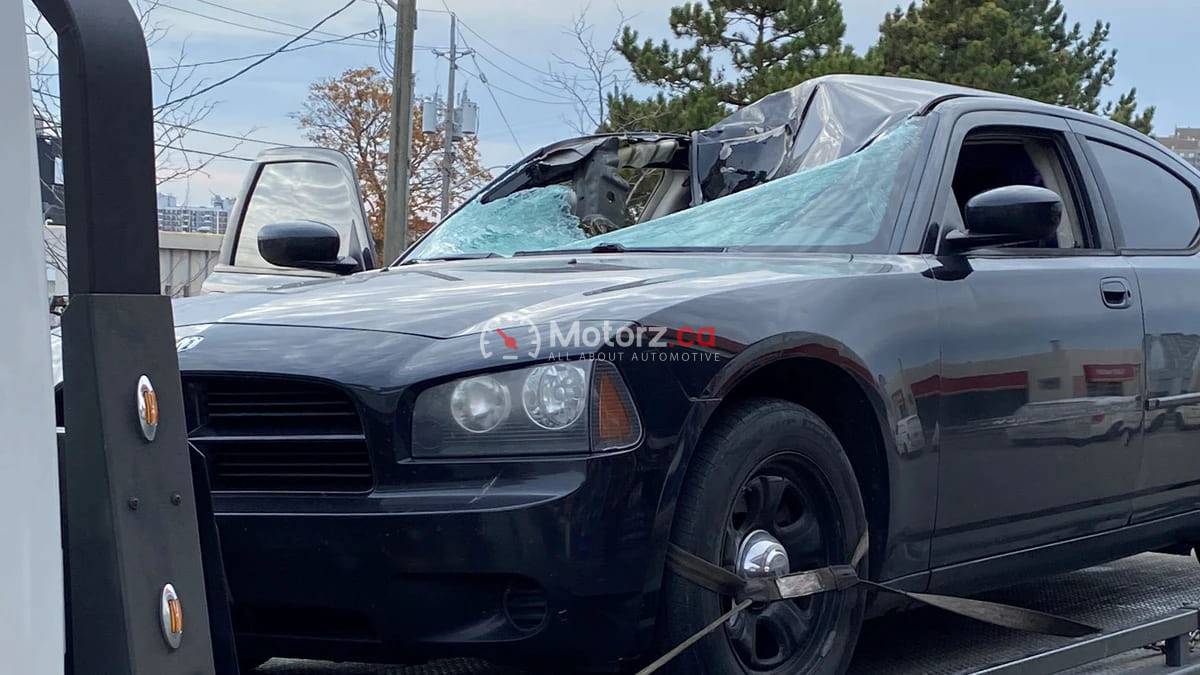
It sounds like a bizarre scene straight out of an Car Loses a Tire: you are cruising down the highway at full speed when suddenly, a tire breaks free from a vehicle and comes hurtling down the asphalt like a multi-ton ballistic missile. Unfortunately, runaway wheel incidents are not Hollywood fiction. They are real, terrifying, and highly destructive road hazards that happen every single year across North America.
A detached wheel assembly traveling at high speed carries immense kinetic energy. When a tire flies off a car or a commercial semi-truck, it can bounce over highway dividers, smash through windshields, and cause catastrophic multi-vehicle accidents in a matter of seconds. Conversely, being the driver of the vehicle that suddenly loses a wheel is equally horrifying, as your car instantly drops onto its brake rotors, sending sparks flying and eliminating your ability to steer smoothly.
Whether you are the person experiencing a sudden mechanical wheel failure or an innocent bystander trying to dodge a runaway projectile, knowing how to react in these split seconds can save your life. This comprehensive guide breaks down the survival steps for both scenarios, explores why wheels detach in the first place, and details how you can prevent this ultimate mechanical nightmare from happening to your own vehicle.
What to Do If Your Own Car Loses a Tire Off
The sudden detachment of a wheel while you are driving is a violent sensory experience. You will likely hear a loud grinding or scraping sound as the vehicle frame or brake rotor slams into the pavement, accompanied by a sudden drop in a corner of your car and a violent pull on the steering wheel. Panic will try to take over, but your immediate, calculated actions are critical to keeping the vehicle upright and bringing it to a safe stop.
Fight the Urge to Slam on the Brakes
When a vehicle component fails, the human survival instinct tells us to stomp on the brake pedal as hard as possible. Doing this when you are missing a wheel is highly dangerous.
Slamming on the brakes shifts the entire weight of the car forward and toward the damaged corner. Without a rubber tire to provide grip and modulate the braking force, the exposed metal components will dig into the asphalt, which can cause the vehicle to pivot violently, enter a dangerous spin, or even flip over entirely.
Maintain a Firm Grip and Steer Straight
Keep both hands on the steering wheel at the nine o’clock and three o’clock positions. The car will try to pull aggressively toward the side that lost the wheel.
Your primary goal is to counteract this pulling force with smooth, firm steering inputs. Keep the nose of the car pointed as straight as possible within your lane to avoid colliding with vehicles in adjacent lanes.
Ease Off the Throttle and Let Friction Slow You Down
Take your foot completely off the accelerator pedal. Allow the natural friction of the exposed brake rotor, hub assembly, or undercarriage grinding against the road surface to slow the vehicle down naturally.
As the car drops below highway speeds, you can begin to apply very light, gradual pressure to the brake pedal to help guide the vehicle toward the right shoulder or an emergency turnout.
Activate Your Hazards and Move to Safety
Turn on your emergency hazard lights immediately to signal to surrounding motorists that your vehicle is experiencing a catastrophic failure.
Once the vehicle has slowed to a manageable speed, gently guide it to the farthest edge of the right-hand shoulder, away from active traffic lanes. Turn off the engine, set the parking brake, and ensure all passengers exit the vehicle from the side facing away from the highway, taking shelter behind a guardrail if one is available.
Scenario B: What to Do If Your Car Is Target of a Flying Tire
Spotting a runaway wheel bouncing down the highway toward your windshield is a unique driving nightmare. Because a tire is round and filled with compressed air, it does not just slide; it bounces unpredictably, often launching high into the air after striking potholes or highway debris.
Track the Tire and Avoid Sudden Swerving
If you see a tire bouncing toward you, do not jerk the steering wheel violently into the next lane. Swerving at high speeds out of pure panic often leads to worse outcomes, such as losing control of your vehicle, rolling over, or sideswiping an innocent motorist next to you.
Instead, keep your eyes locked on the trajectory of the tire. Try to determine if it is tracking left, right, or straight down the center.
Execute a Controlled Lane Shift or Brake
If you have a clear, open space on your shoulder or an adjacent lane, perform a swift but controlled lane change to put as much distance between your vehicle and the tire’s path as possible.
If changing lanes is not an option due to heavy traffic, apply your brakes firmly and steadily to reduce your vehicle’s speed. Decreasing your speed reduces the total force of impact if the tire does make contact with your vehicle.
Duck Below the Dashboard Line If Impact Is Inevitable
If a massive truck tire is launched high into the air and is descending directly toward your front windshield, you have fractions of a second to protect your body.
If an impact cannot be avoided, lean your torso down and toward the center of the vehicle, below the level of the dashboard. Windshields are designed to shatter safely, but a heavy wheel assembly can easily crush the roof pillars or push through the glass into the front passenger cabin. Protecting your head and chest from direct structural intrusion is your highest priority.
Immediate Action Steps: Post-Impact Protocol
Whether your wheel detached or you were struck by a runaway tire from another vehicle, the moments immediately following the incident require a disciplined safety checklist to protect lives and secure legal evidence.
Ensure Physical Safety First
Check yourself and your passengers for injuries immediately. If the vehicle is smoking or fluids are leaking, evacuate the cabin safely and move up the embankment or behind a highway barrier. Do not stand directly behind or in front of your disabled vehicle on a busy highway, as secondary collisions are incredibly common.
Call Emergency Services
Dial nine-one-one immediately. Inform the emergency dispatcher of your exact location, the direction of travel, and whether anyone requires medical attention. Clearly state if a runaway wheel is still bouncing or resting in the middle of active traffic lanes, as it represents an immediate life-threatening hazard to other drivers.
Document the Scene and Identify the Source
If you were hit by a flying tire, try to identify the vehicle it detached from. Often, drivers who lose a wheel will pull over down the road, but occasionally, commercial trucks or vehicles may keep driving if the driver fails to realize a trailing axle wheel has broken free.
Take high-quality photos of the damage to your vehicle, the final resting position of the runaway tire, and any markings or debris on the roadway.
Why Do Car Tires Fly Off? The Root Causes Explained
A wheel assembly does not simply detach from a car without a pre-existing mechanical issue. Understanding the underlying causes of wheel separation can help you recognize the warning signs before a disaster occurs on the road.
Improper Torque Specifications
The most common cause of wheel separation is human error during tire installation. Every vehicle manufacturer specifies an exact tightness level, known as torque, for the lug nuts that secure the wheel to the hub assembly.
Under-Torquing: If a technician or DIY mechanic does not tighten the lug nuts sufficiently, the natural vibrations of driving will cause the nuts to back off the threaded studs over time. Eventually, the remaining nuts slide off completely, allowing the wheel to wobble and fly free.
Over-Torquing: Conversely, overtightening lug nuts with a powerful pneumatic impact wrench can stretch, weaken, or fracture the metal wheel studs. Under the stress of cornering or hitting a deep pothole, these compromised studs can snap cleanly off, causing the wheel to separate instantly.
Mechanical Hub and Bearing Failures
The wheel assembly attaches to a component called the wheel hub, which contains sealed bearings that allow the wheel to spin smoothly at high speeds.
If moisture enters the bearing housing, it washes away the protective grease and causes severe metal-on-metal friction. This friction creates intense heat. If ignored, the heat can weld the bearing components together or melt the spindle axle, causing the entire hub assembly, brake rotor, and wheel to shear off the vehicle as a single unit.
How to Prevent a Wheel Separation Nightmare
Preventing a runaway wheel incident comes down to practicing smart vehicle maintenance and staying alert to the physical feedback your car provides.
The Critical Re-Torque Rule
Whenever you have your tires changed, rotated, or serviced at a shop, the technicians will often print a warning on your receipt: Return after fifty to one hundred miles to check lug nut torque.
Do not treat this as optional advice. As a new or freshly mounted wheel settles against the hub assembly, metal expansion and contraction can cause slight clearances to form. Returning to the shop for a quick two-minute check with a calibrated torque wrench ensures the fasteners remain perfectly secure.
Listen and Feel for the Warning Signs
Before a wheel detaches completely, it almost always sends clear warnings to the driver. Pay close attention to these red flags:
A Low-Frequency Wheel Wobble: If you feel a rhythmic shaking or vibration through your steering wheel or driver seat that increases in severity as you accelerate, pull over immediately. This often indicates loose lug nuts allowing the wheel to play against the hub.
A Clicking, Snapping, or Roaring Sound: A failing wheel bearing will produce a loud roaring or humming noise similar to an airplane engine taking off. Loose lug nuts can create a distinct metal clicking or snapping sound as the wheel shifts back and forth against the threaded studs during braking and cornering.
Staying Vigilant on the Highway
A runaway wheel is one of the most sudden and terrifying hazards you can encounter on modern highways, but it does not have to result in tragedy. By memorizing the core principles of survival—avoiding panic braking, steering smoothly, and keeping your eyes locked on the hazard’s path—you can protect yourself and your passengers from the worst-case scenario.
Take control of your personal vehicle safety by prioritizing regular maintenance checks. Listen to what your car is telling you through the steering wheel and pedals, and always ensure your lug nuts are tightened to the exact specifications required by your manufacturer. Staying vigilant and well-prepared is the ultimate defense against the unexpected dangers of the open road.